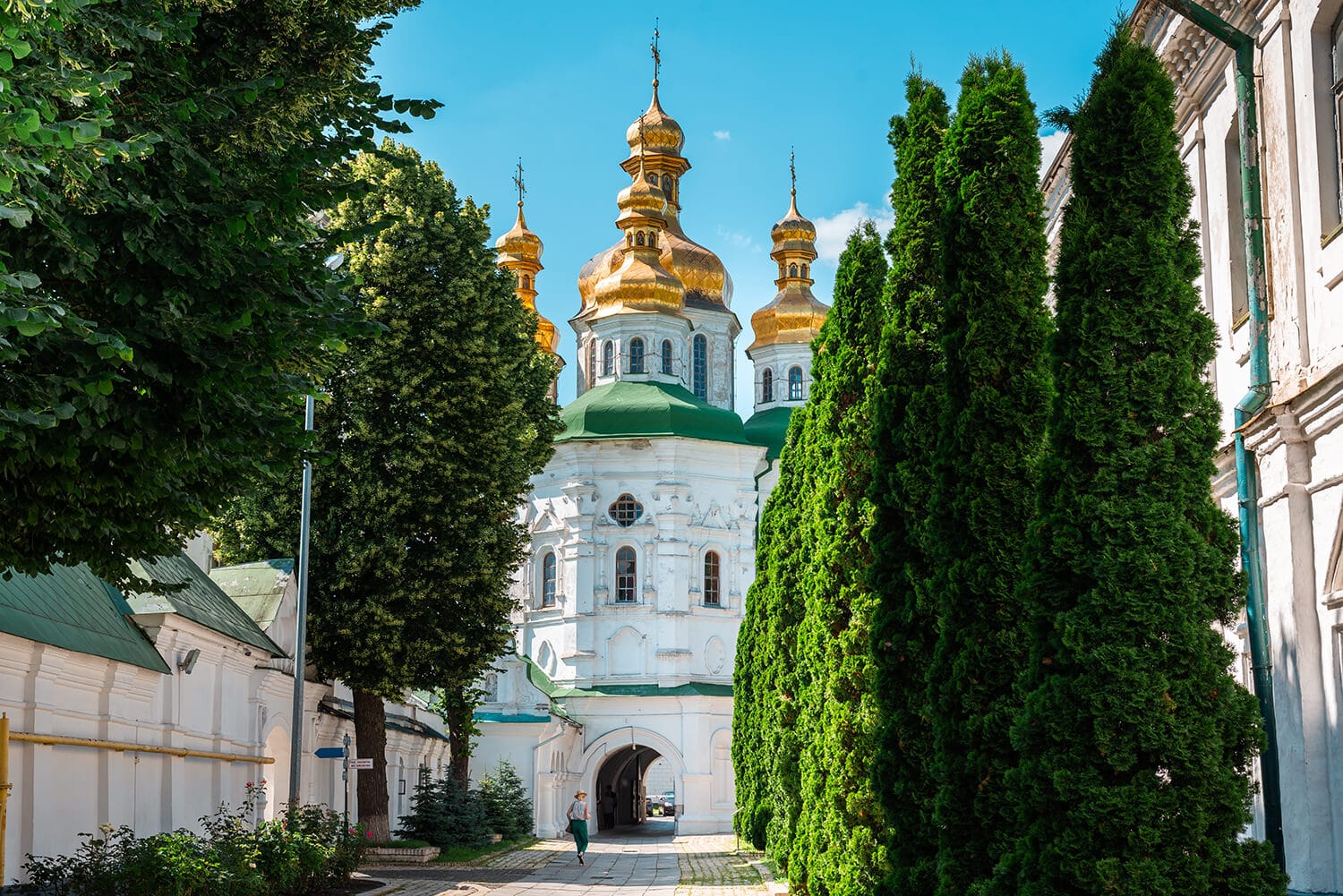
The Church of All Saints over the Economic Gate is one of the most striking examples of Ukrainian Baroque and one of the architectural gems of the Kyiv Pechersk Lavra. The church was built in 1696–1698 at the expense of Hetman Ivan Mazepa — one of the main patrons in the Lavra’s history, with whose support the monastery underwent large-scale renewal.
Thanks to its location, the structure served both sacred and practical functions for centuries. Carts carrying household supplies entered the monastery grounds through the Economic Gate. The church was located above it. Services were held here only during one week of the year, dedicated to the memory of All Saints.
The church was built following the model of a traditional Ukrainian wooden church, but executed in stone. It combines the splendor of Baroque architecture with features of folk building traditions, forming the unique style known today as Mazepa Baroque.
On the northern facade of the church, one can see the family coat of arms of Ivan Mazepa. After the hetman sided with the Swedish King Charles XII, Mazepa’s name and legacy became the target of a long-running imperial campaign to erase his memory. One consequence of this was the disappearance of the coat of arms from the church facade. It was restored only during the era of independence, in 1996.
In 1846, the church was sketched by Taras Shevchenko while working in Kyiv for the Archaeographic Commission. His work became one of the most famous historical depictions of the church.
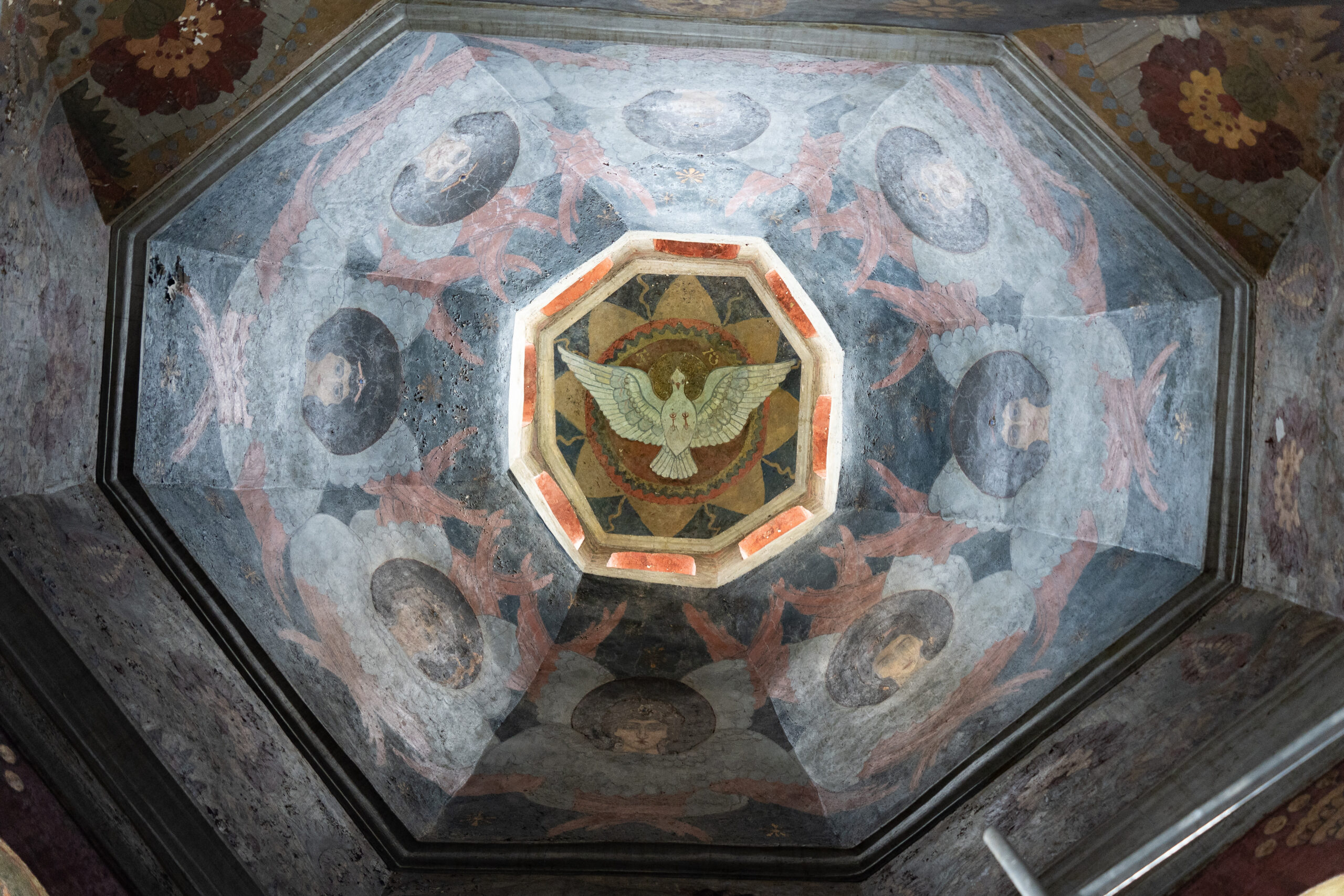
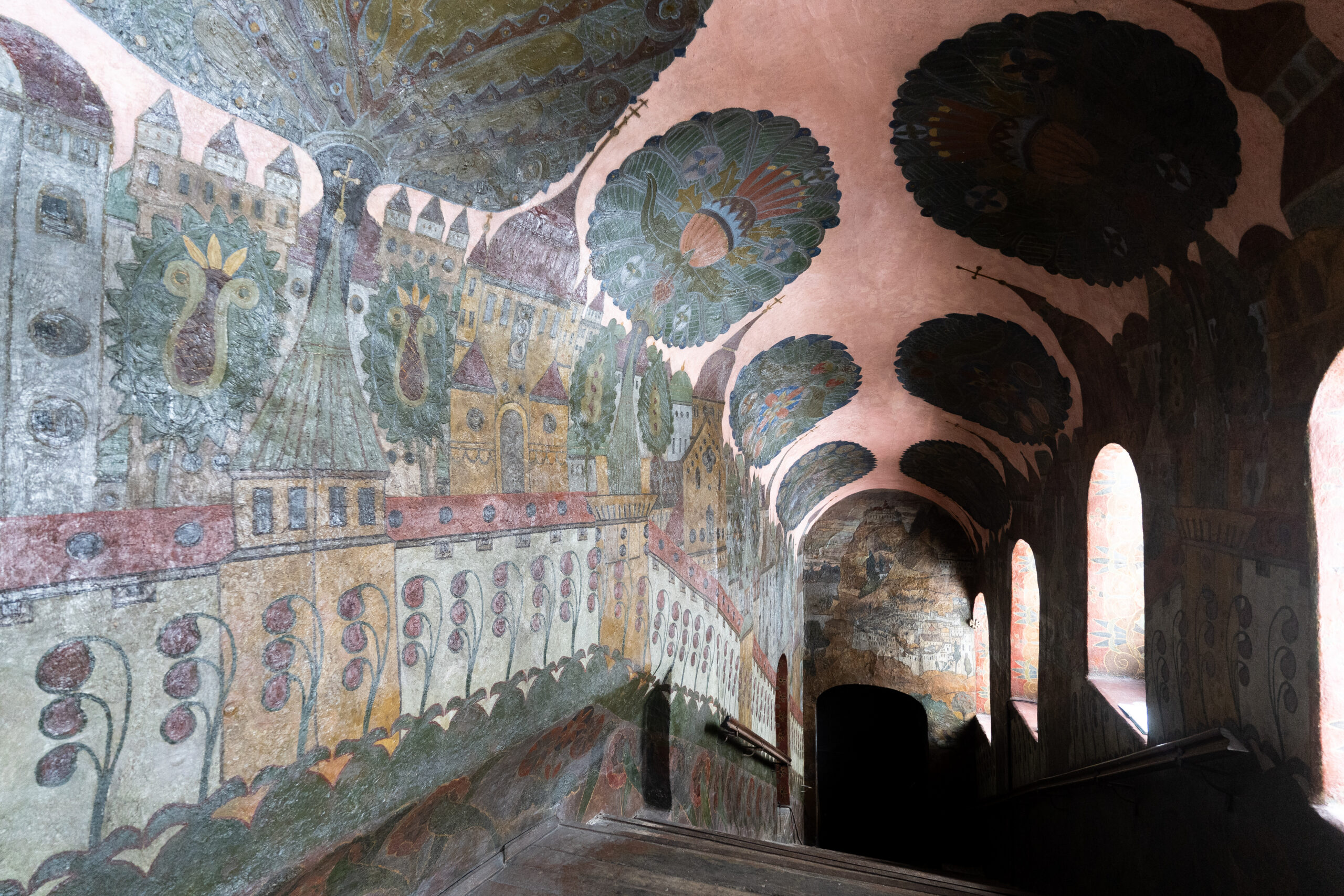
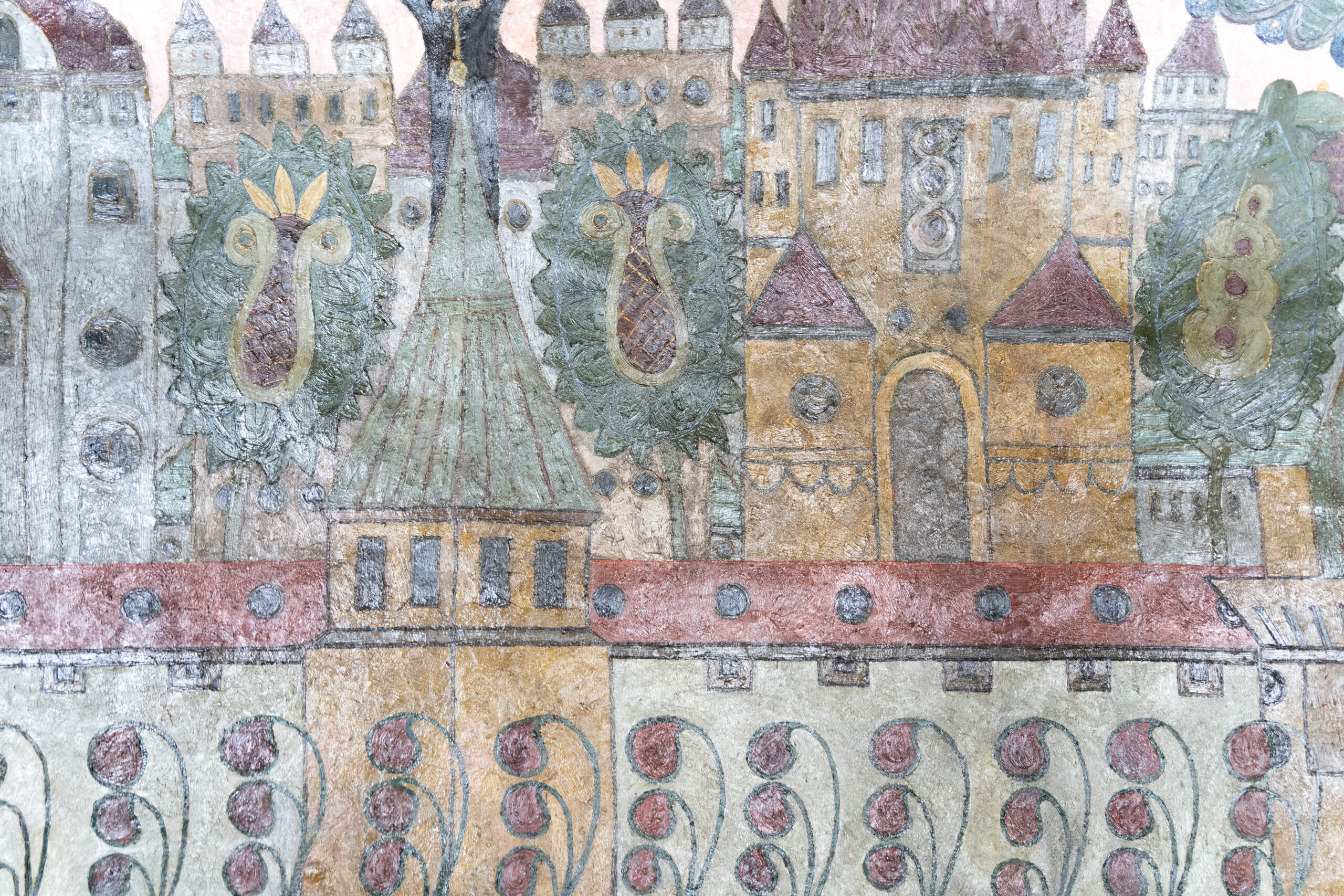
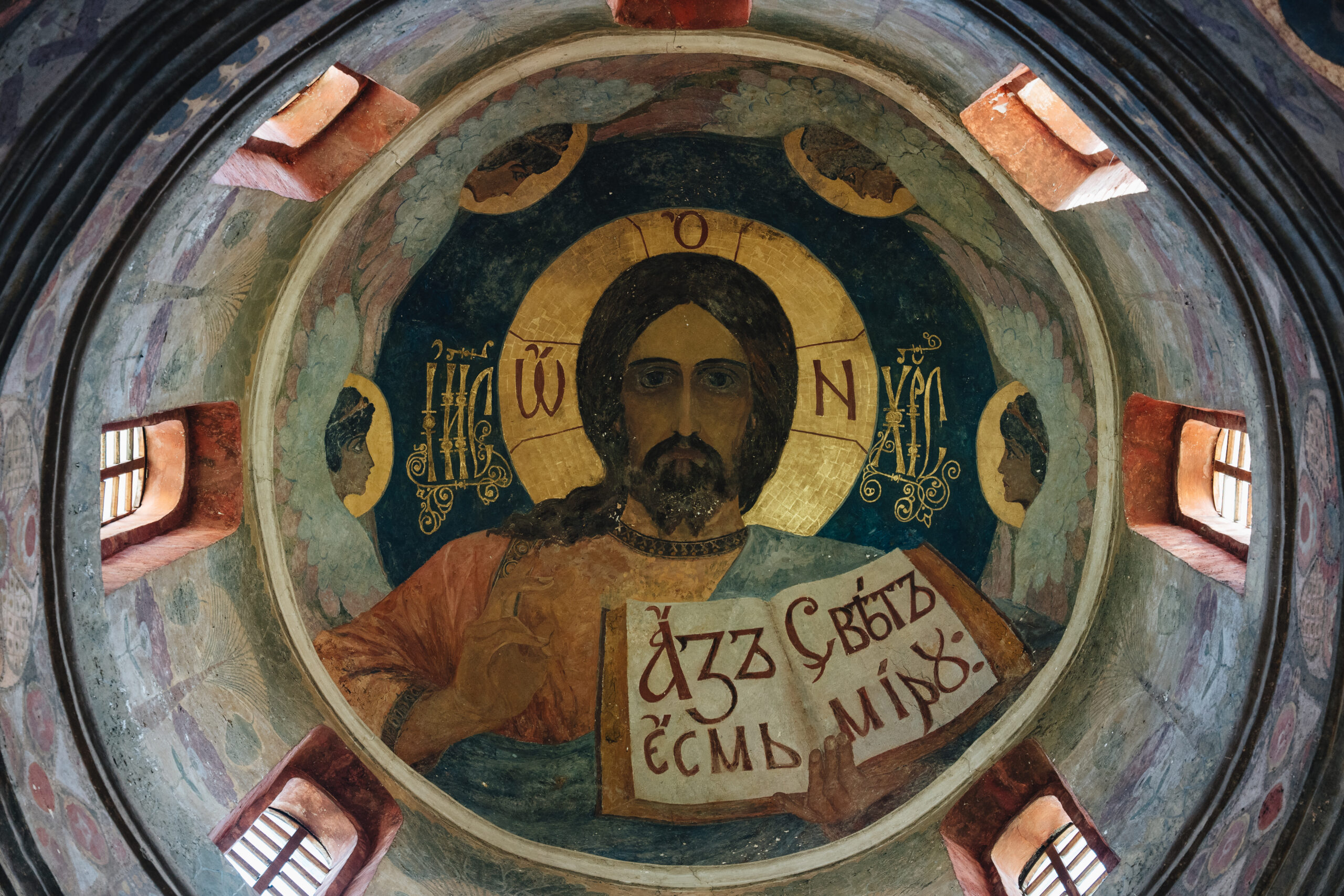
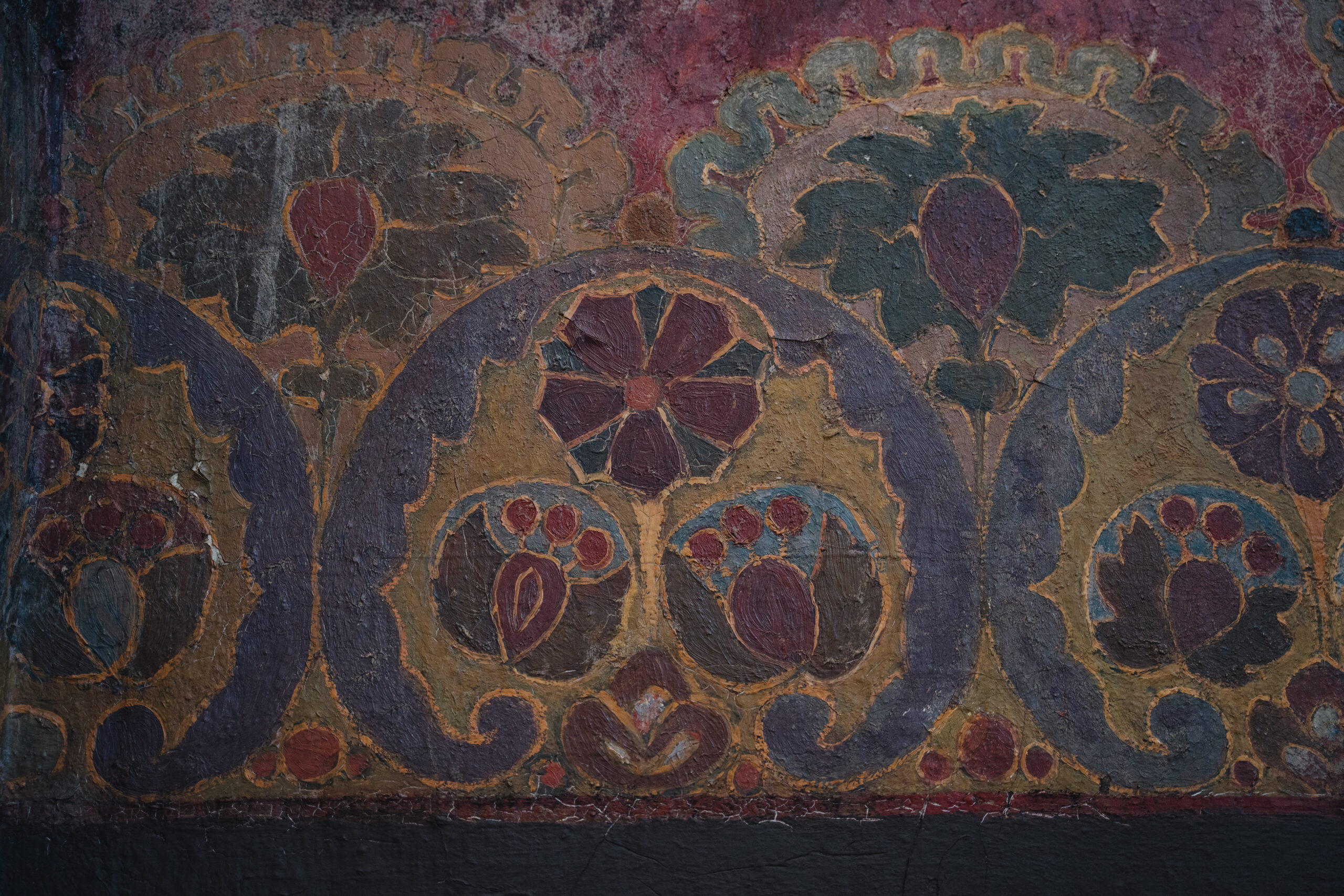
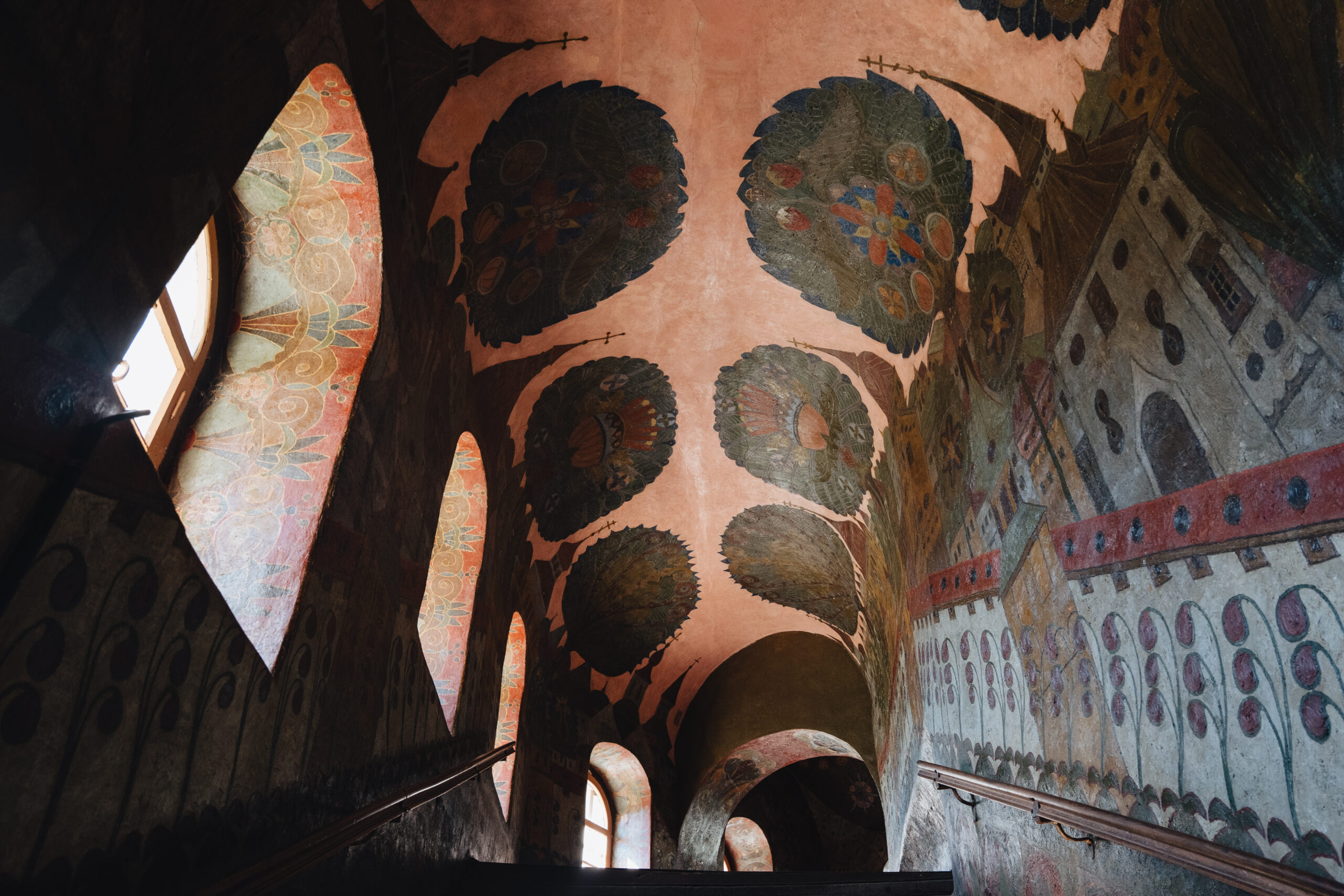
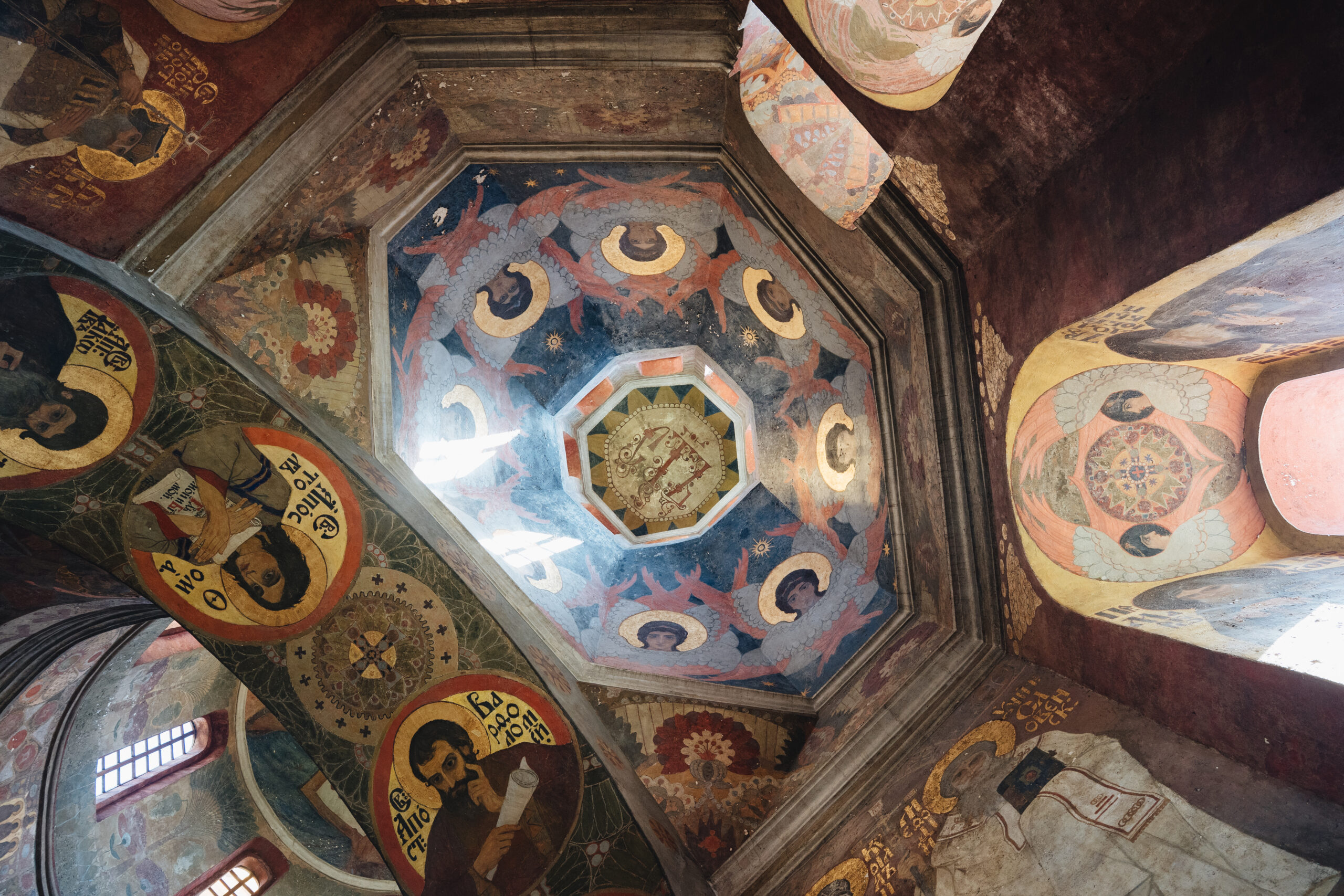
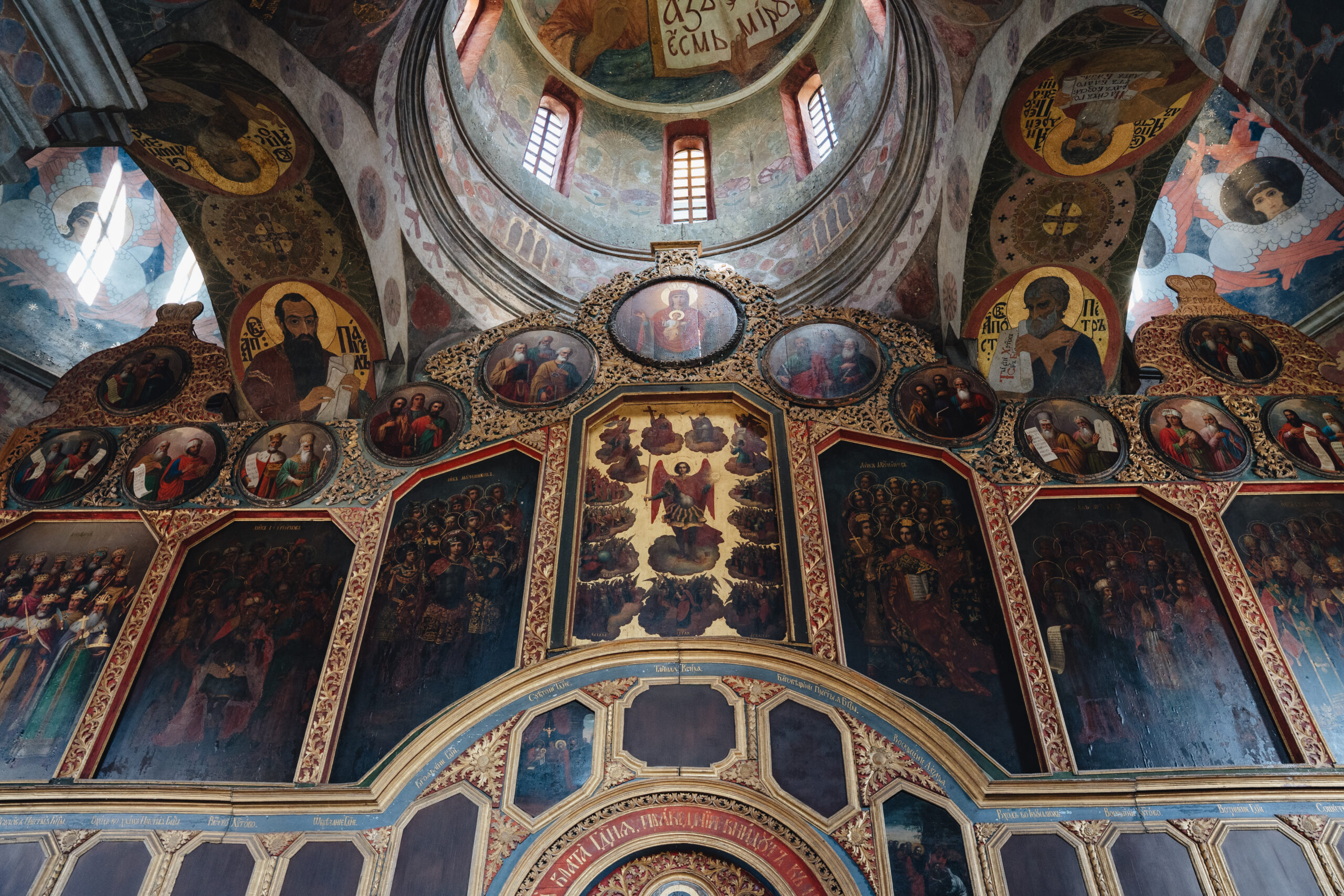
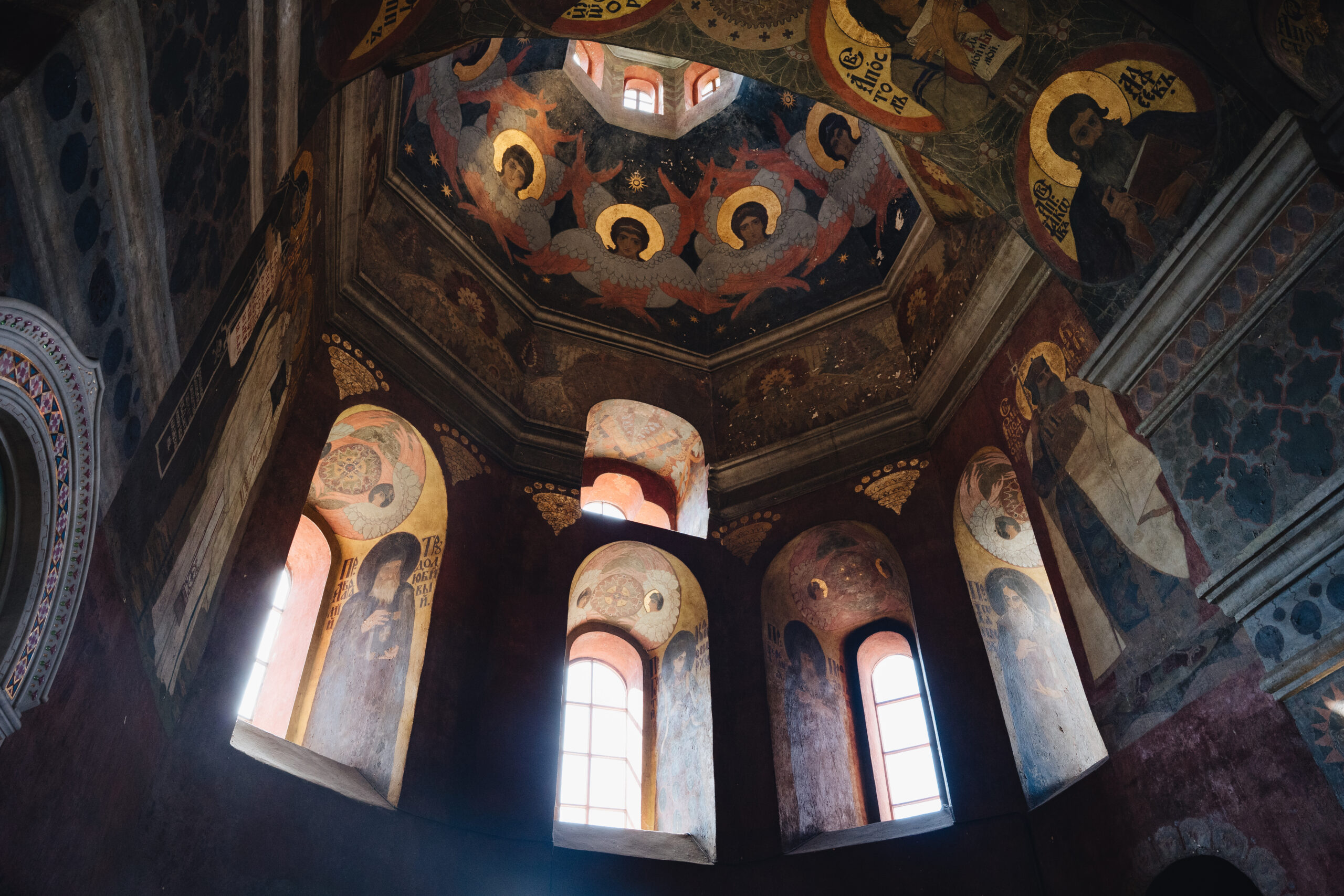
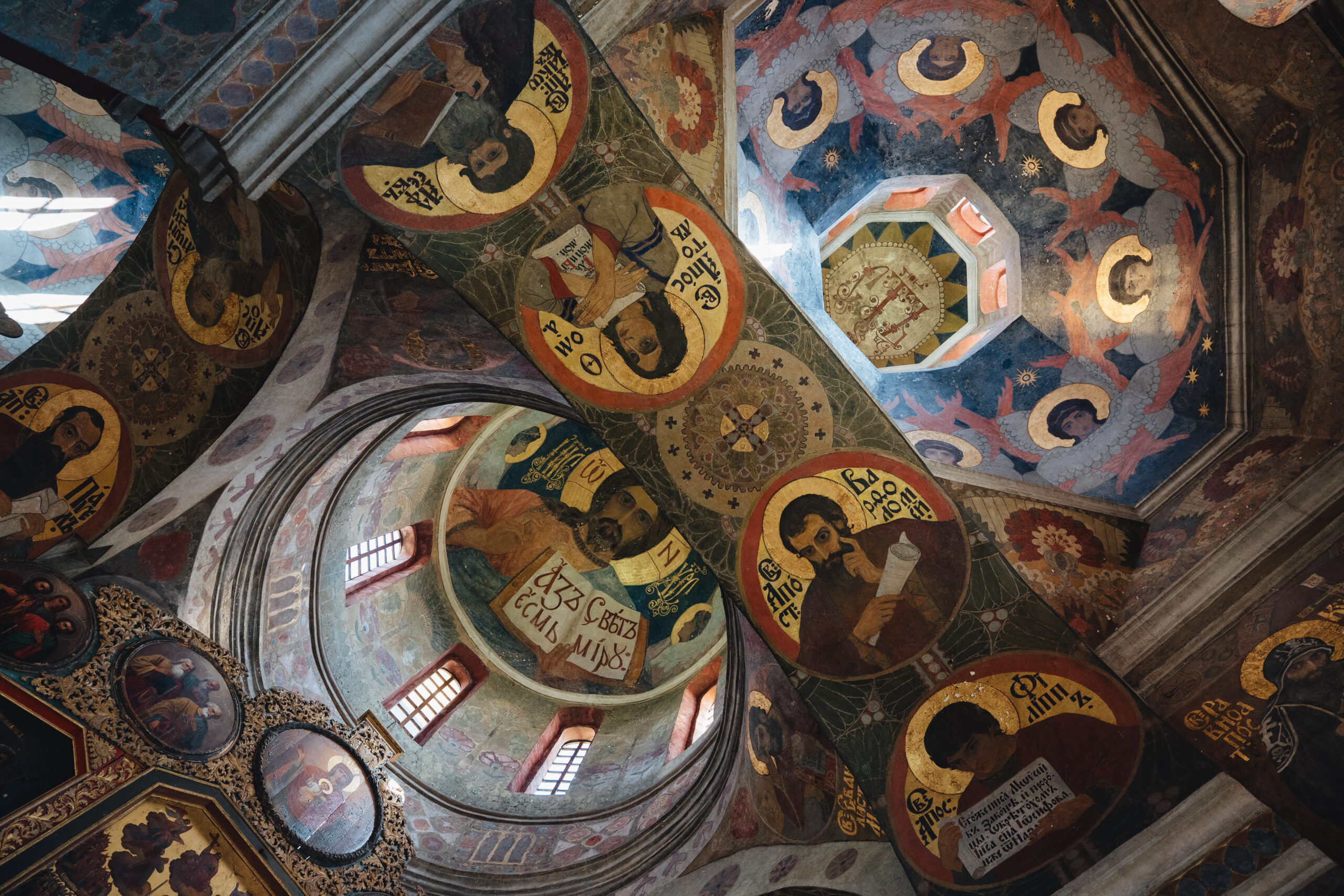
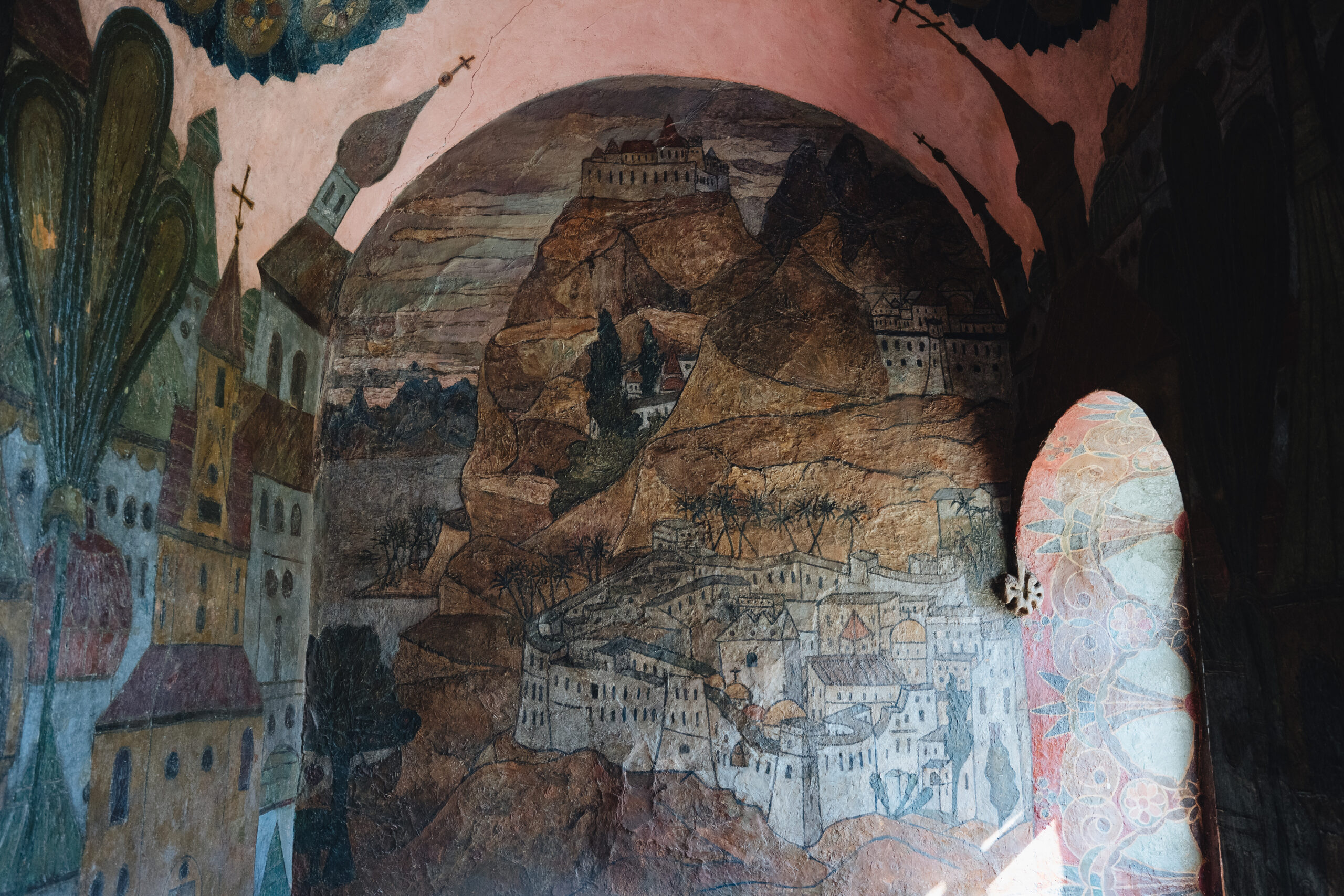
At the beginning of the 20th century, the church received a new monumental mural, created under the direction of artist Ivan Yizhakevych and students of the Lavra Icon-Painting School. Researchers consider it one of the master’s best works. The combination of Ukrainian folk motifs, Art Nouveau, and church art created a unique interior that became the last great achievement of the Lavra Icon-Painting School.
According to tradition, it was these murals that inspired the young Maria Prymachenko, who studied at the local School of Folk Masters, to create her own unique artistic world.
The church’s acoustics are no less interesting. During repair work, dozens of ceramic jugs laid in several rows were discovered under the floor. Such vessels were used as a kind of resonator, amplifying the sound of singing while also lightening the building’s structure.
How to visit the Church of All Saints
Currently, the Church of All Saints over the Economic Gate is closed to visitors in preparation for restoration work.
With the support of UNESCO and the government of Japan, a monitoring system has already been installed at the monument, allowing vibrations to be recorded and the technical condition of the historic structure to be monitored. Preparations are also underway for the church’s future restoration as part of an international program for the preservation of Ukraine’s cultural heritage.
Information about the restoration of access to the church and the start of tours will be announced separately.