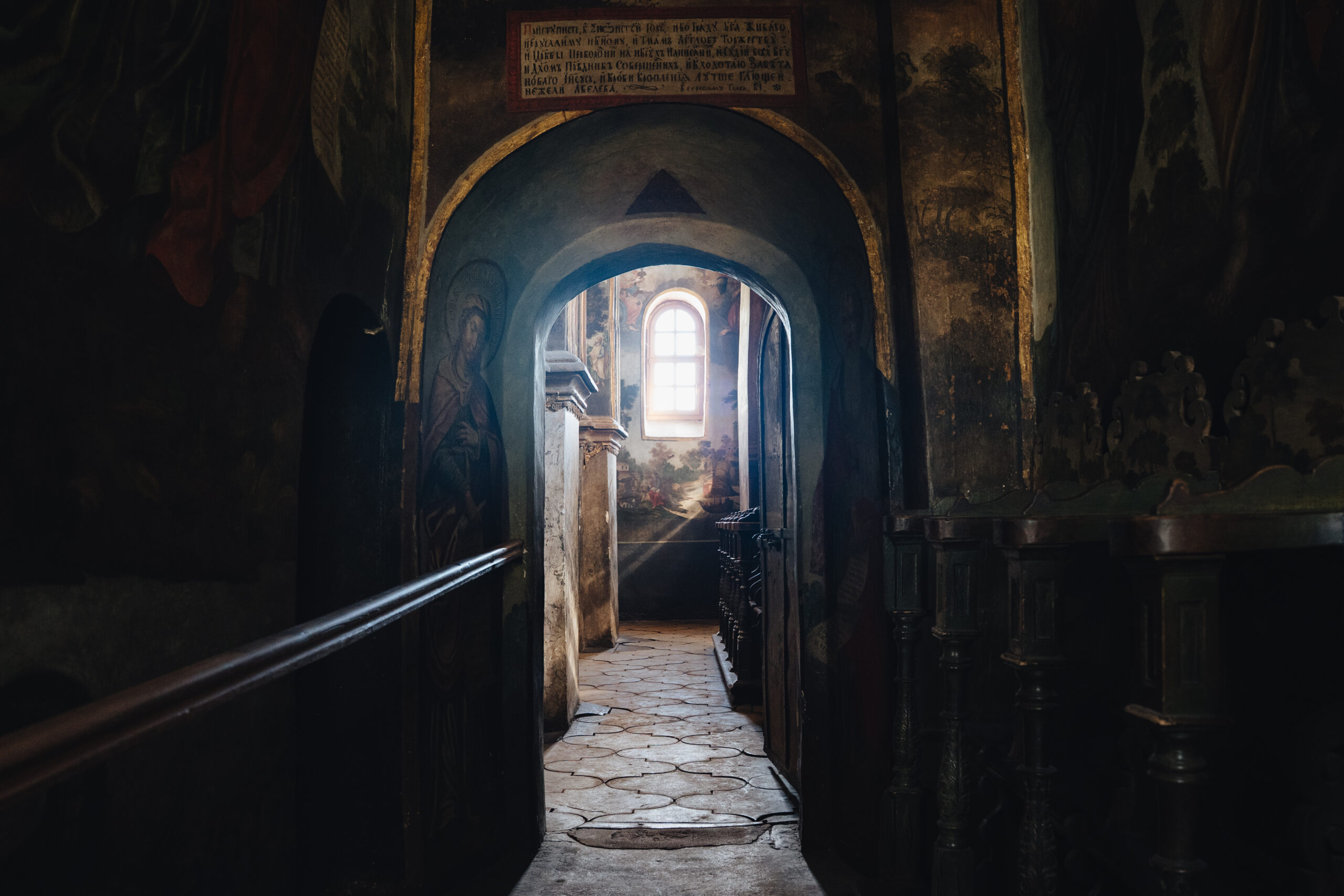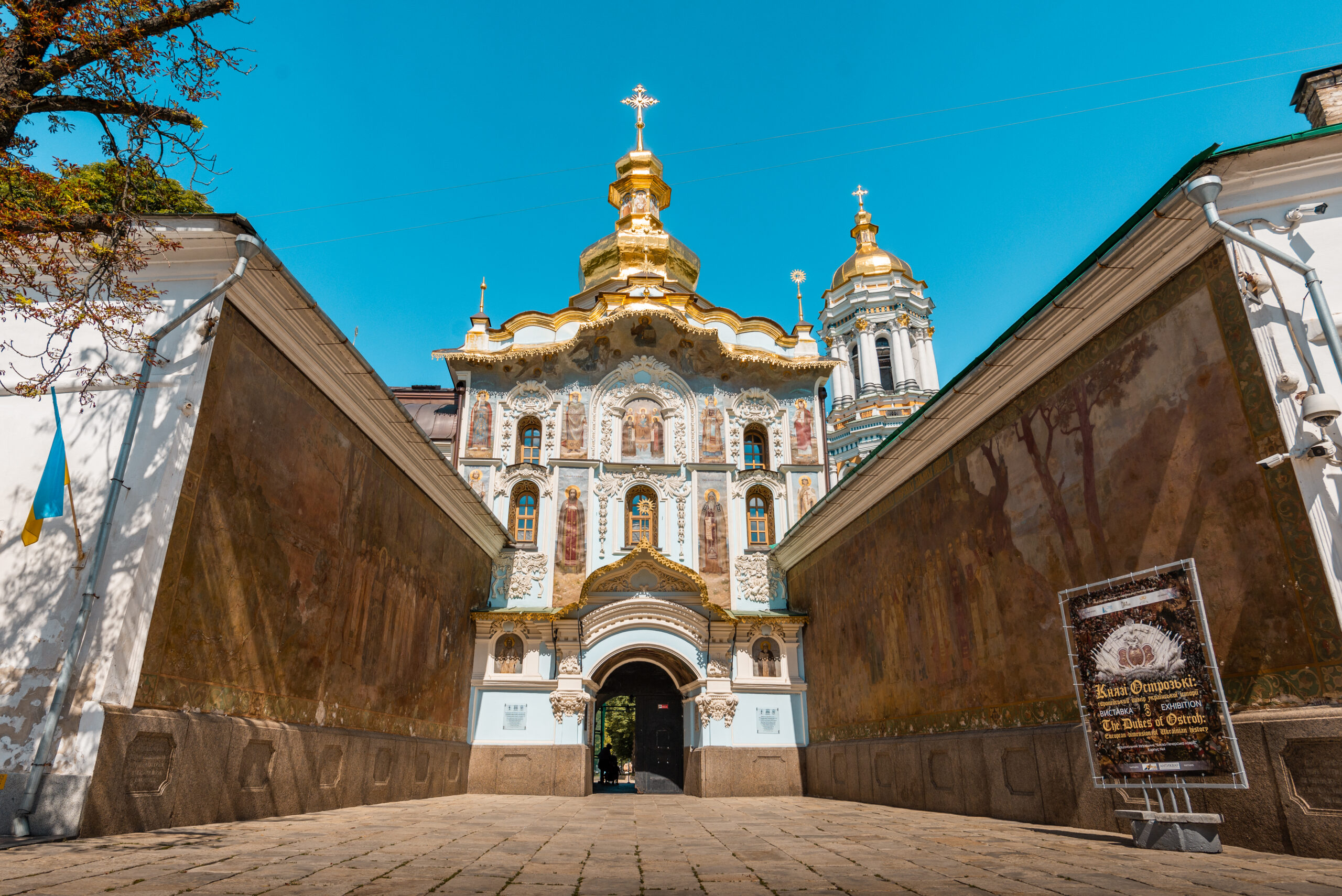
The Holy Trinity Gate Church is one of the oldest and most valuable monuments of the Kyiv Pechersk Lavra. It arose at the beginning of the 12th century as part of the ancient defensive structures of the monastery and has survived to this day almost unchanged.
On the lower tier are the Holy Gates, the main entrance to the Lavra. That is why the Holy Trinity Gate Church has always been not only a church but also a symbolic boundary between the outside world and the space of the monastery. According to tradition, whoever passes through the Holy Gates three times is cleansed of sins.
The Holy Trinity Gate Church is the only Old Rus’ monument of the Kyiv Pechersk Lavra to have survived the Mongol invasion of 1240, fires, wars, and subsequent trials almost without damage. It is associated with Prince Mykola Sviatosha, a member of the Rurikid dynasty, who took monastic vows at the Pechersk Monastery.
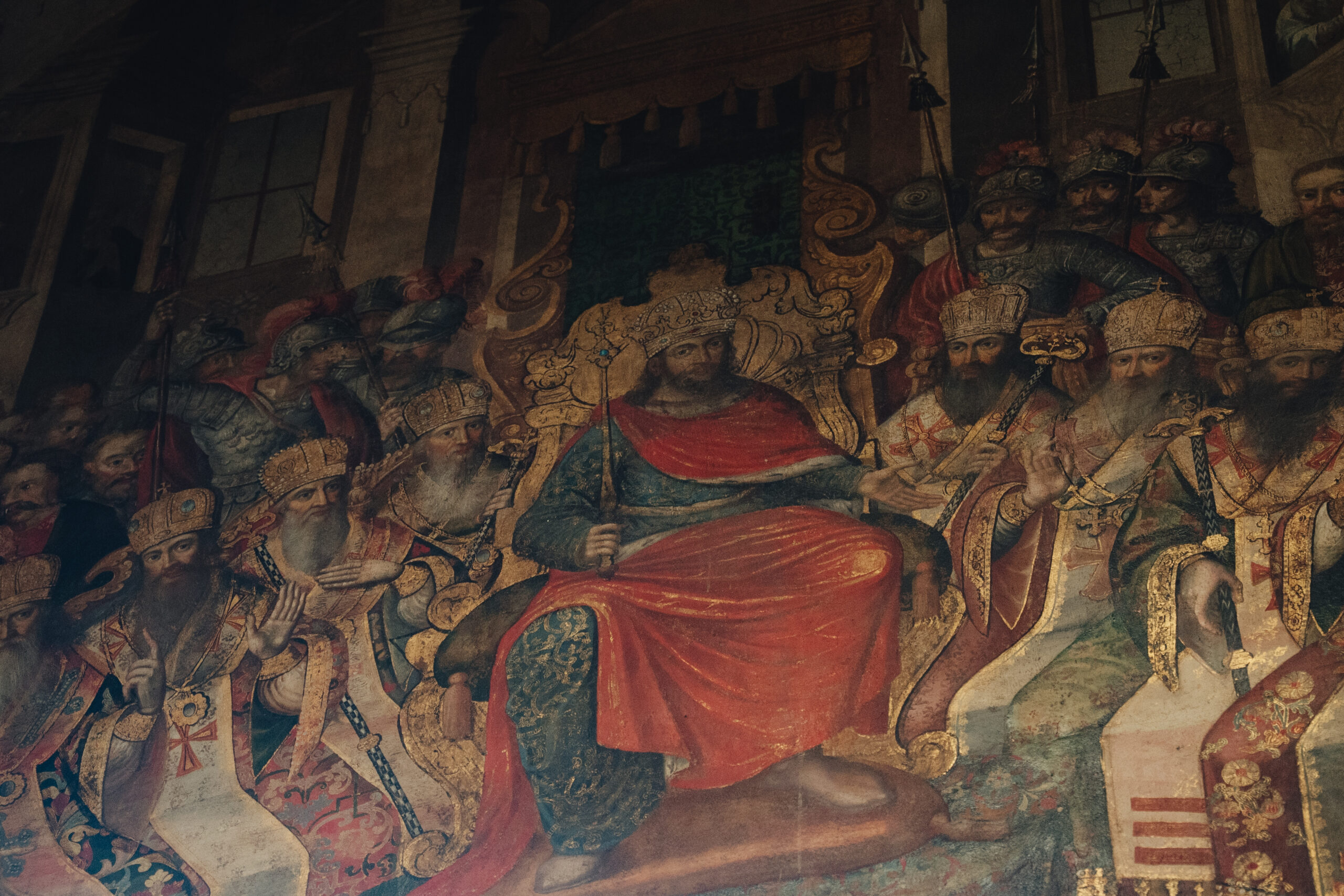
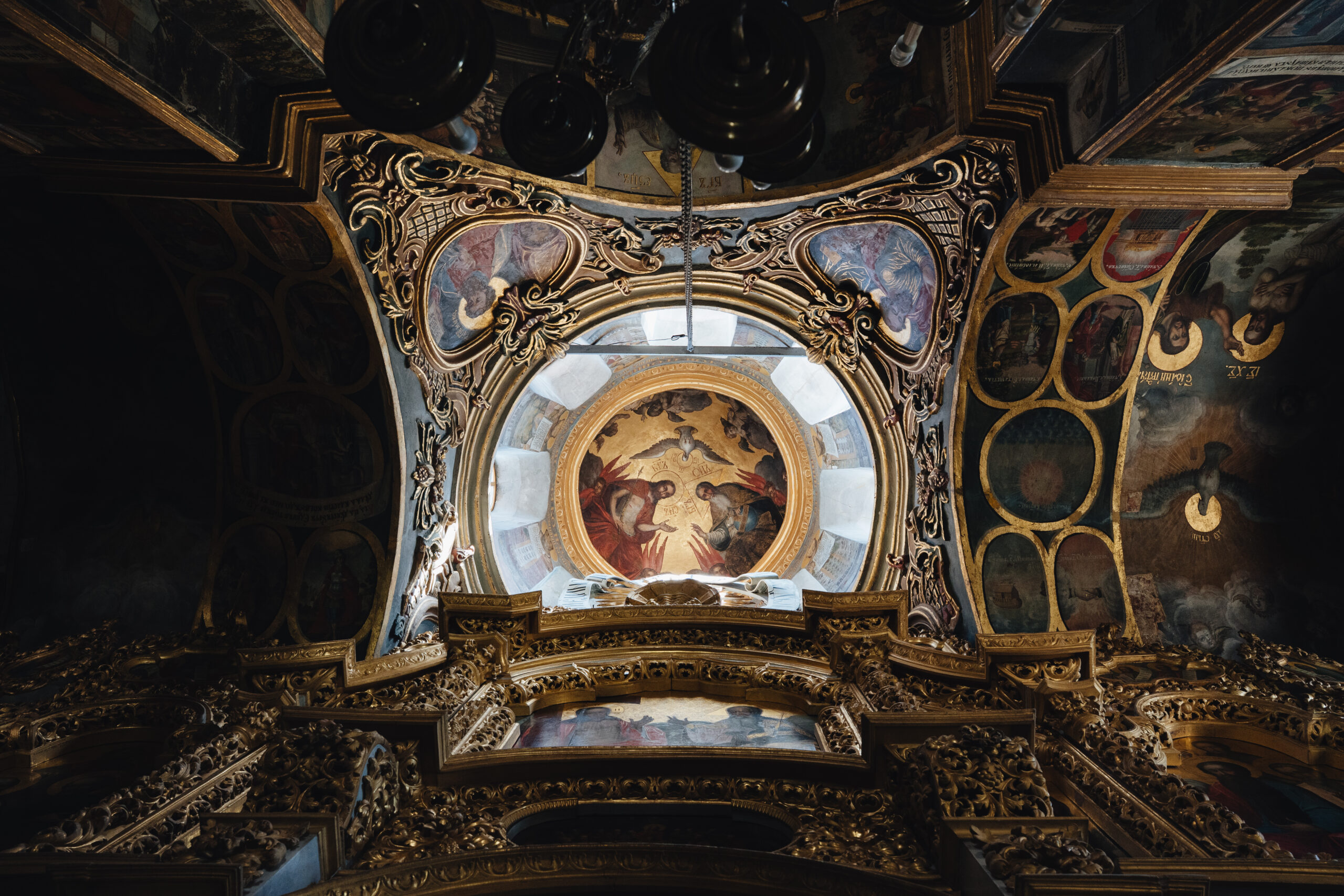
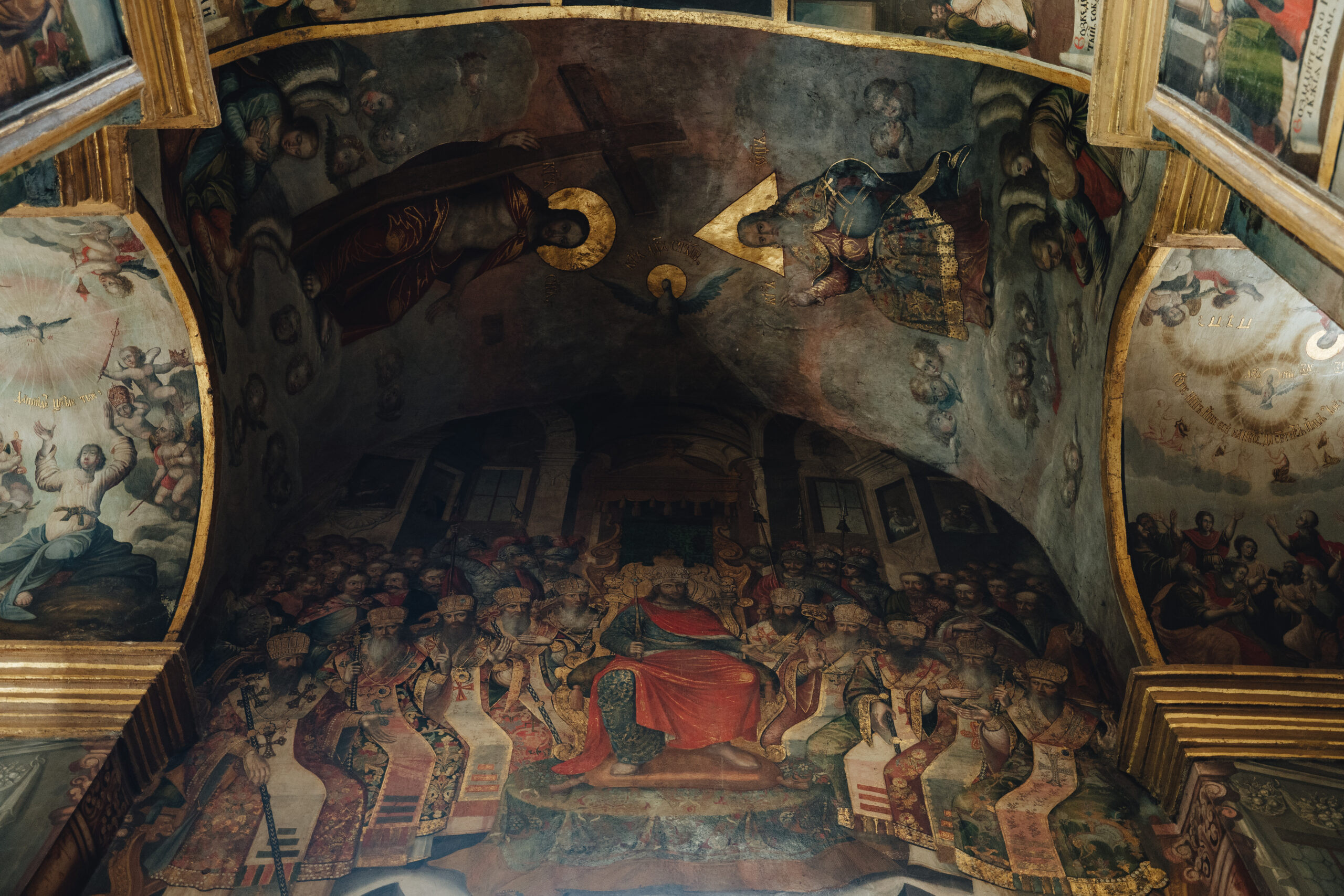
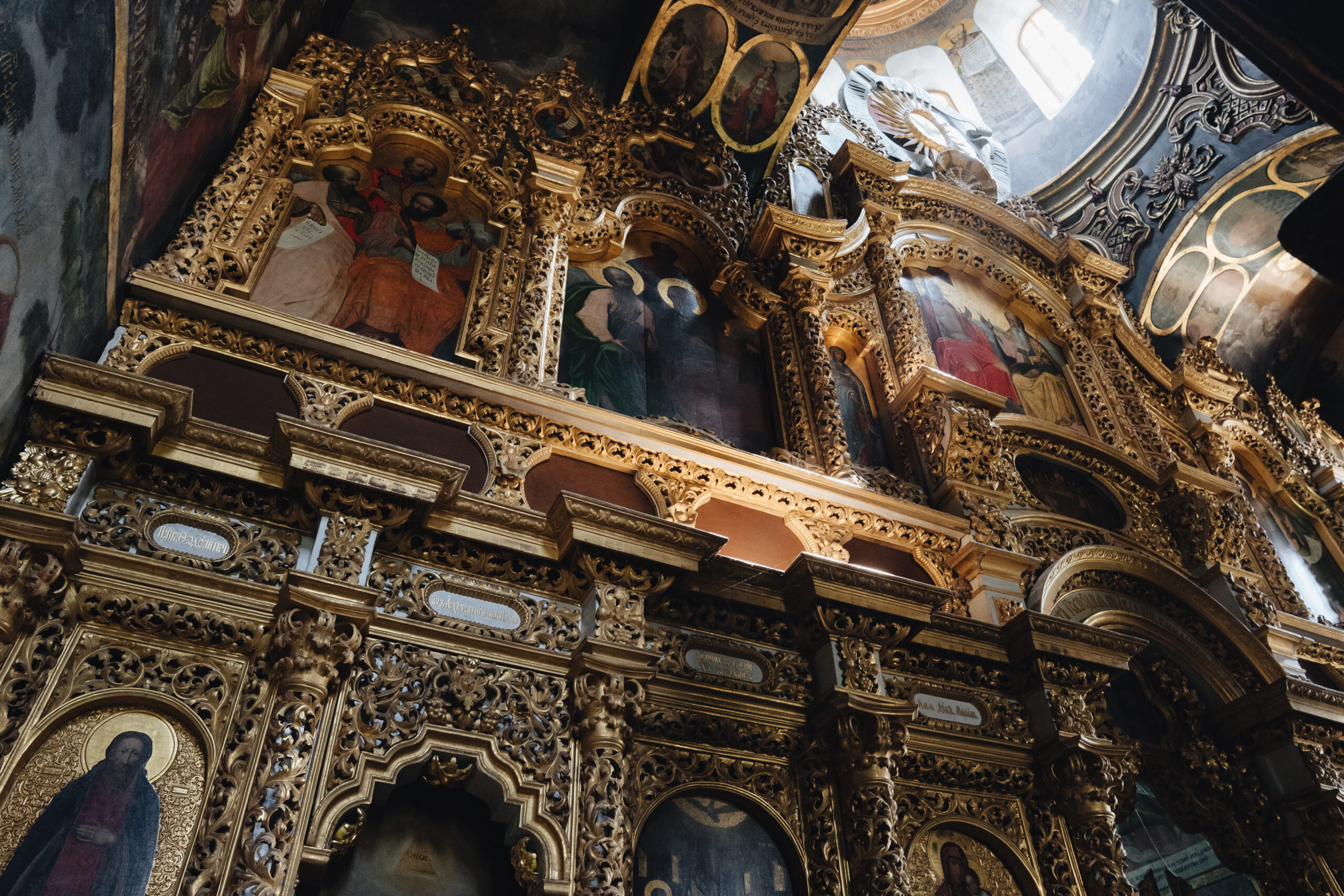
The church’s present appearance took shape in the era of Ukrainian Baroque. After a fire in 1718, the church was redecorated: the facades were adorned with stucco molding, the dome took on a pear-like shape, and the interior received a unique pictorial ensemble. A key role in the Baroque redecoration of the Lavra was played by the Ukrainian Cossack elite, in particular Hetman Ivan Mazepa. In one of the church’s murals, researchers see a probable depiction of Mazepa among his companions.
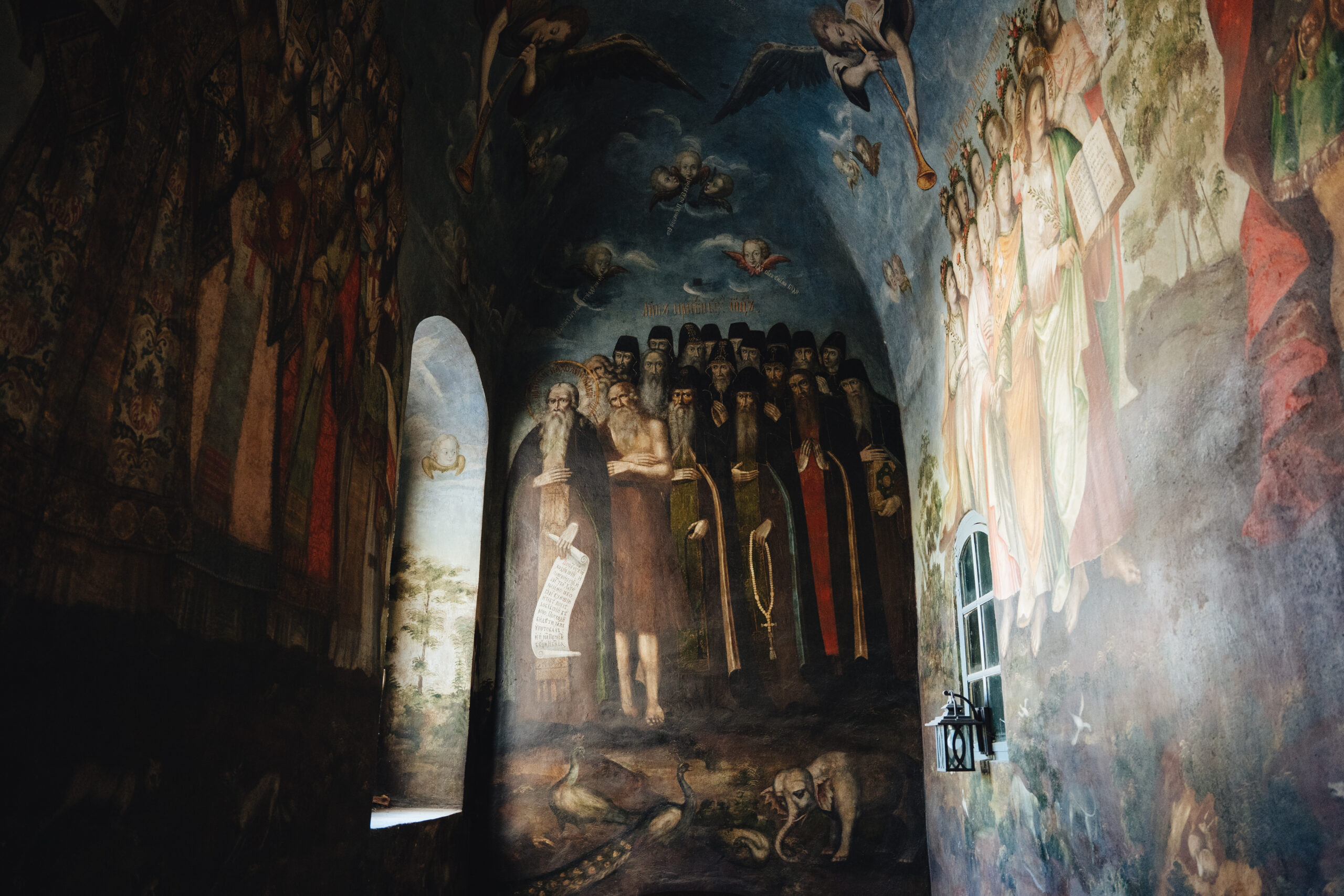
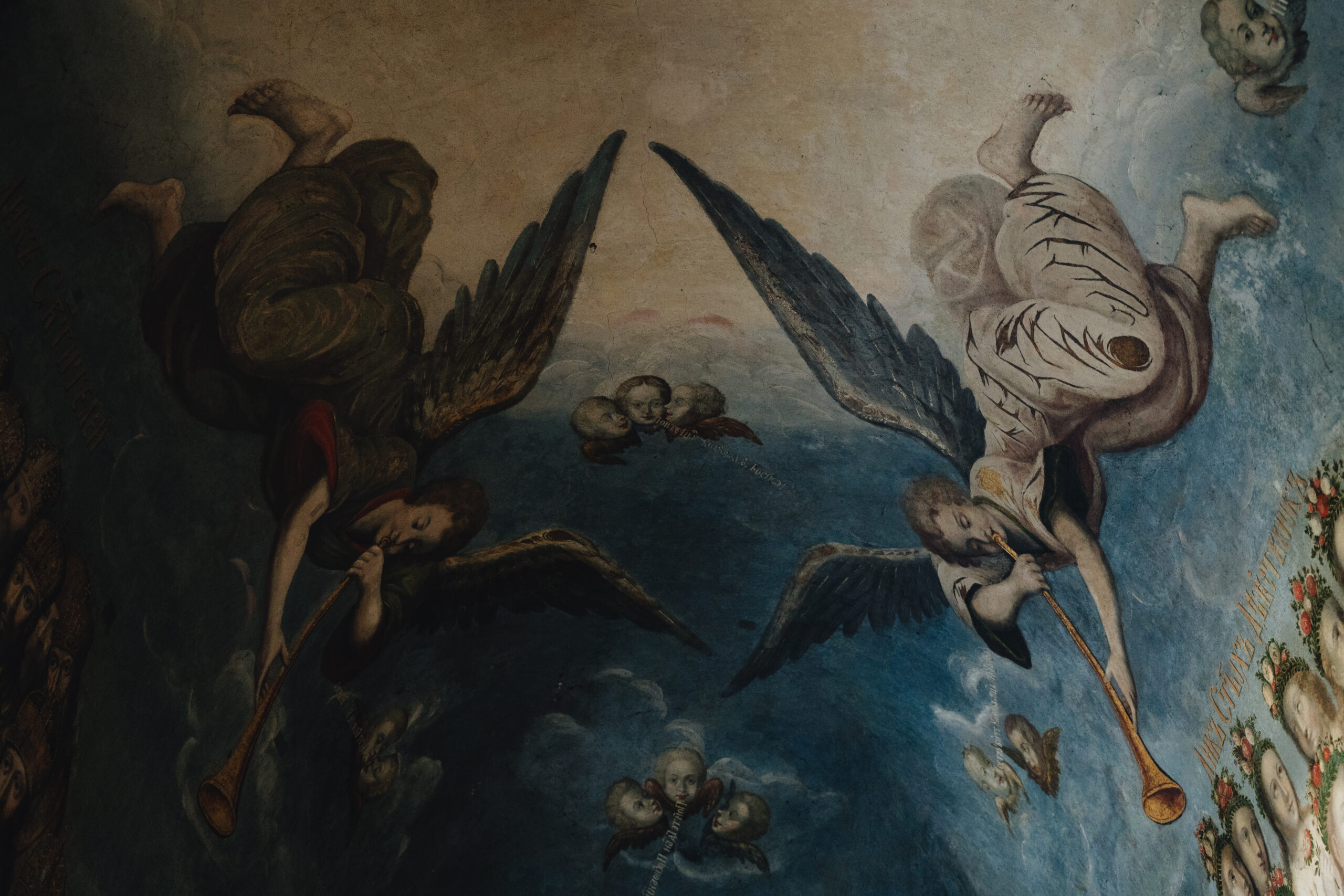
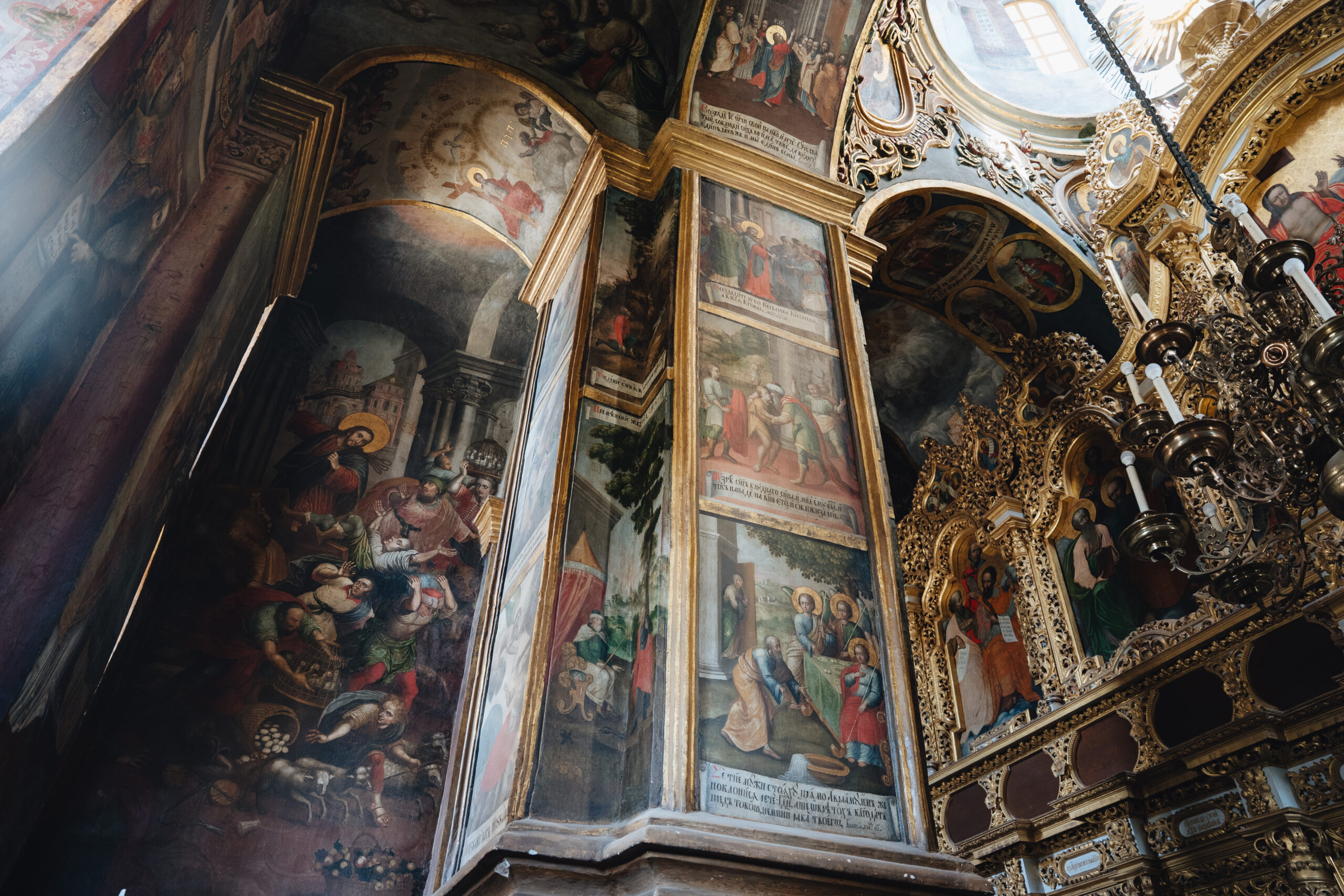
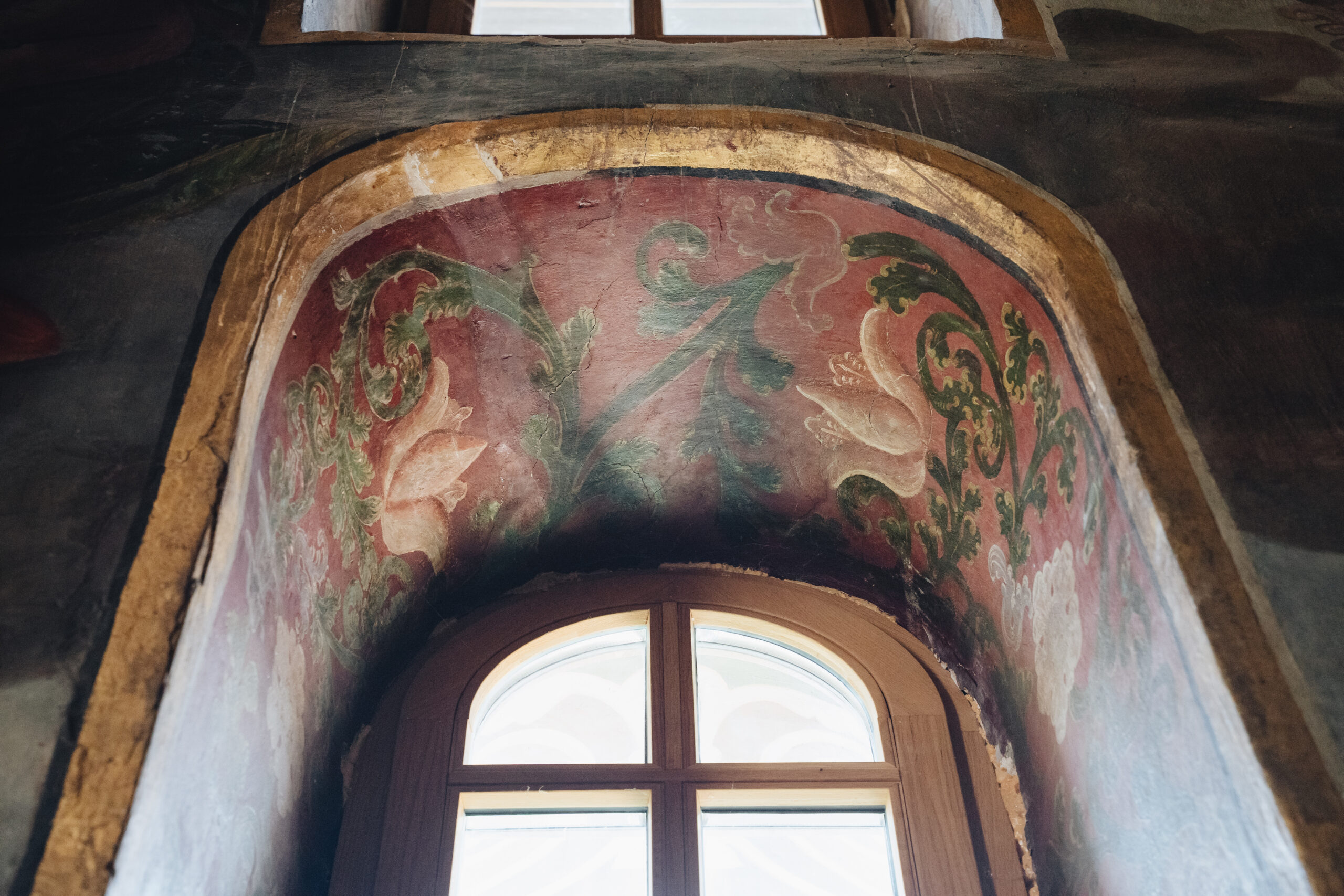
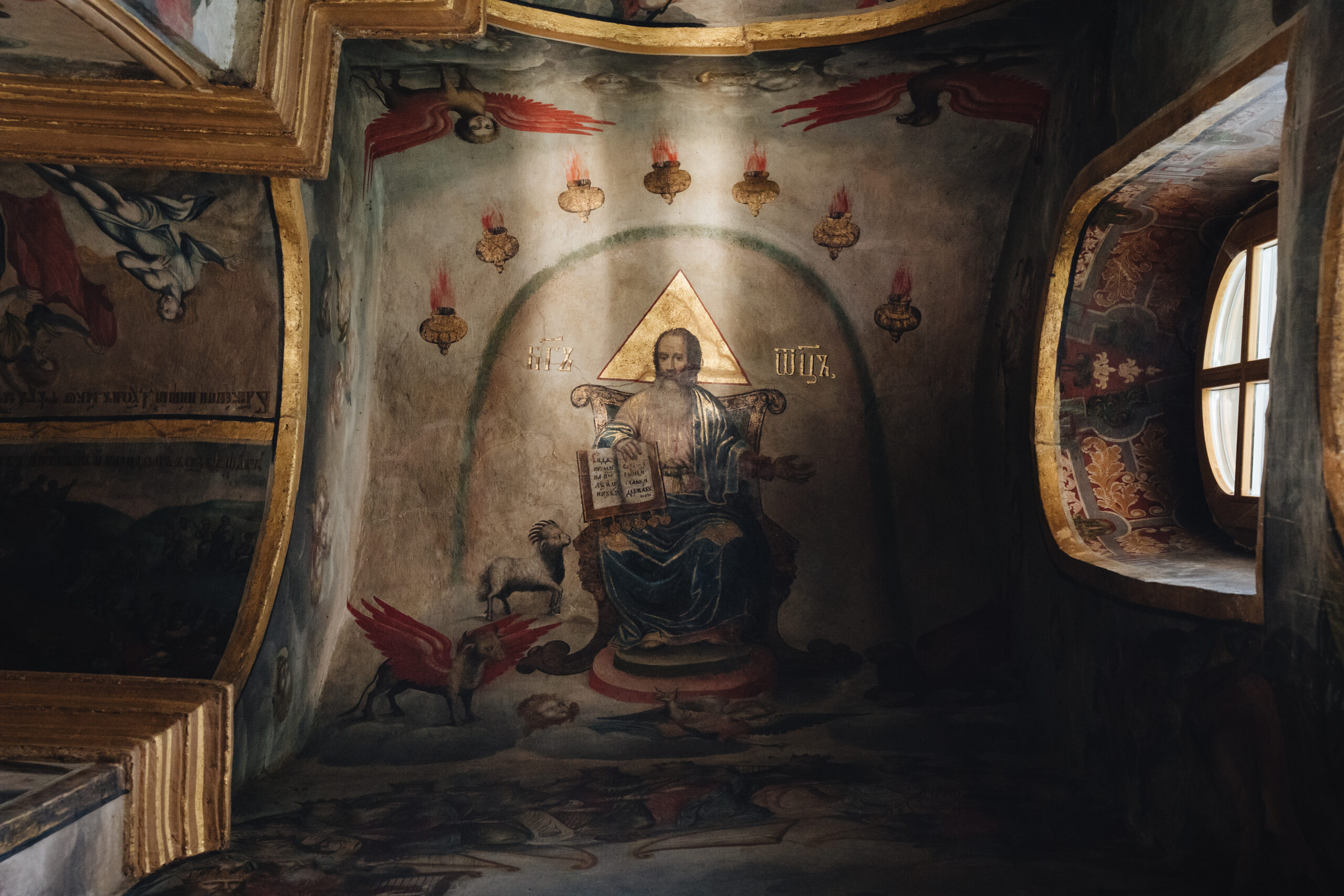
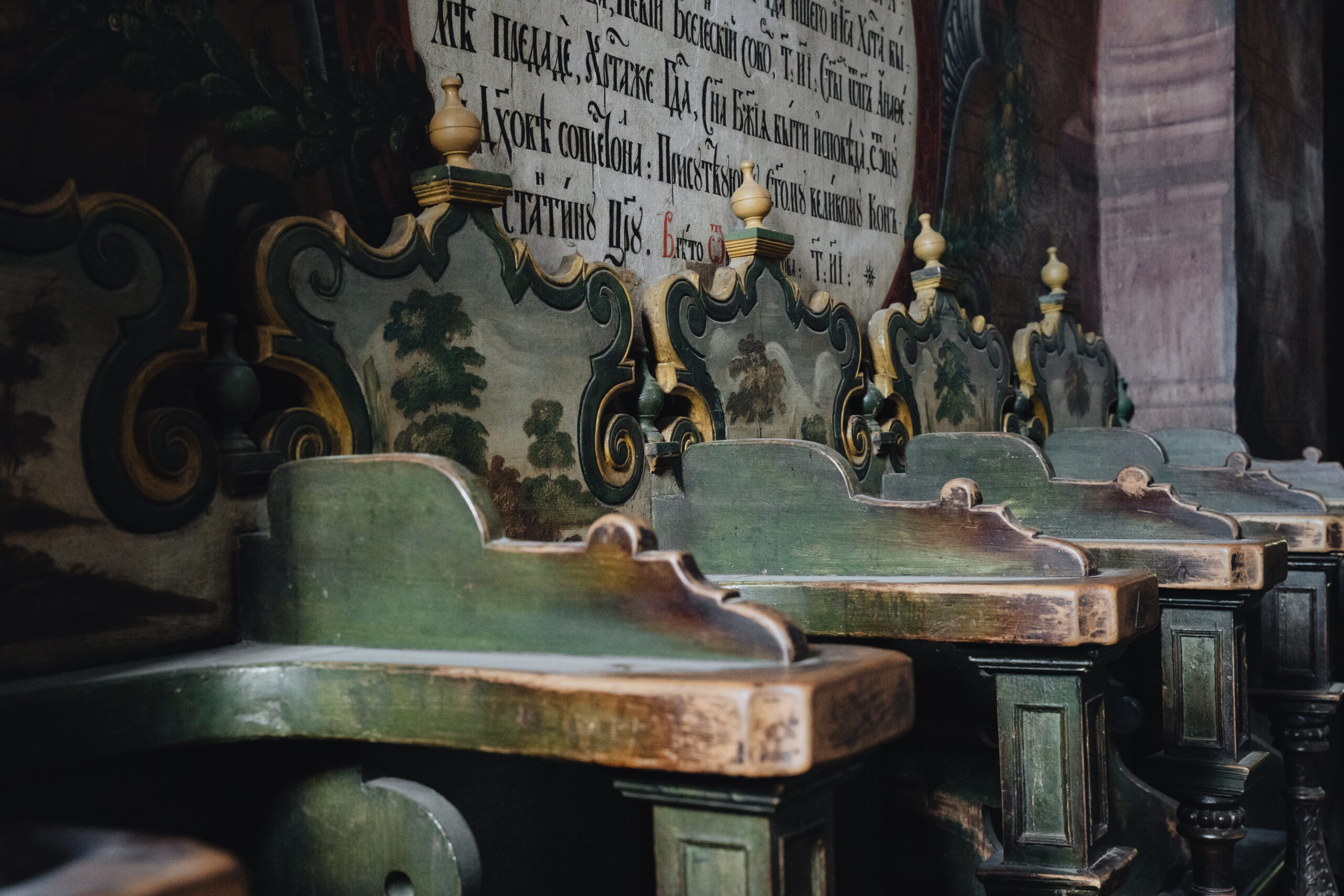
The murals of the Holy Trinity Gate Church are the only fully preserved ensemble of monumental painting by the Kyiv Pechersk workshop of the Baroque era. They cover almost the entire interior of the church and form a complex theological program connected with the liturgy, prayers, and Gospel scenes.
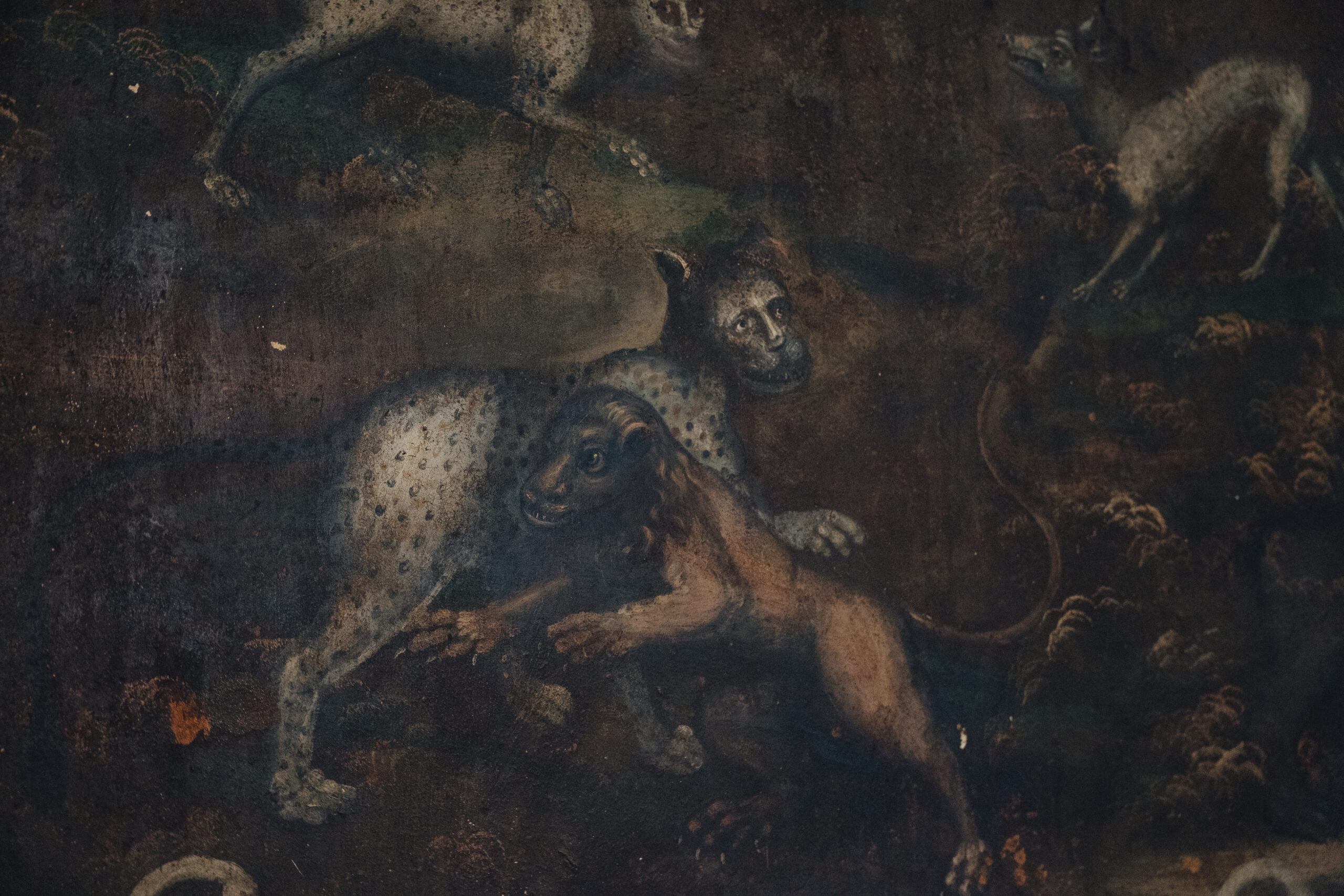
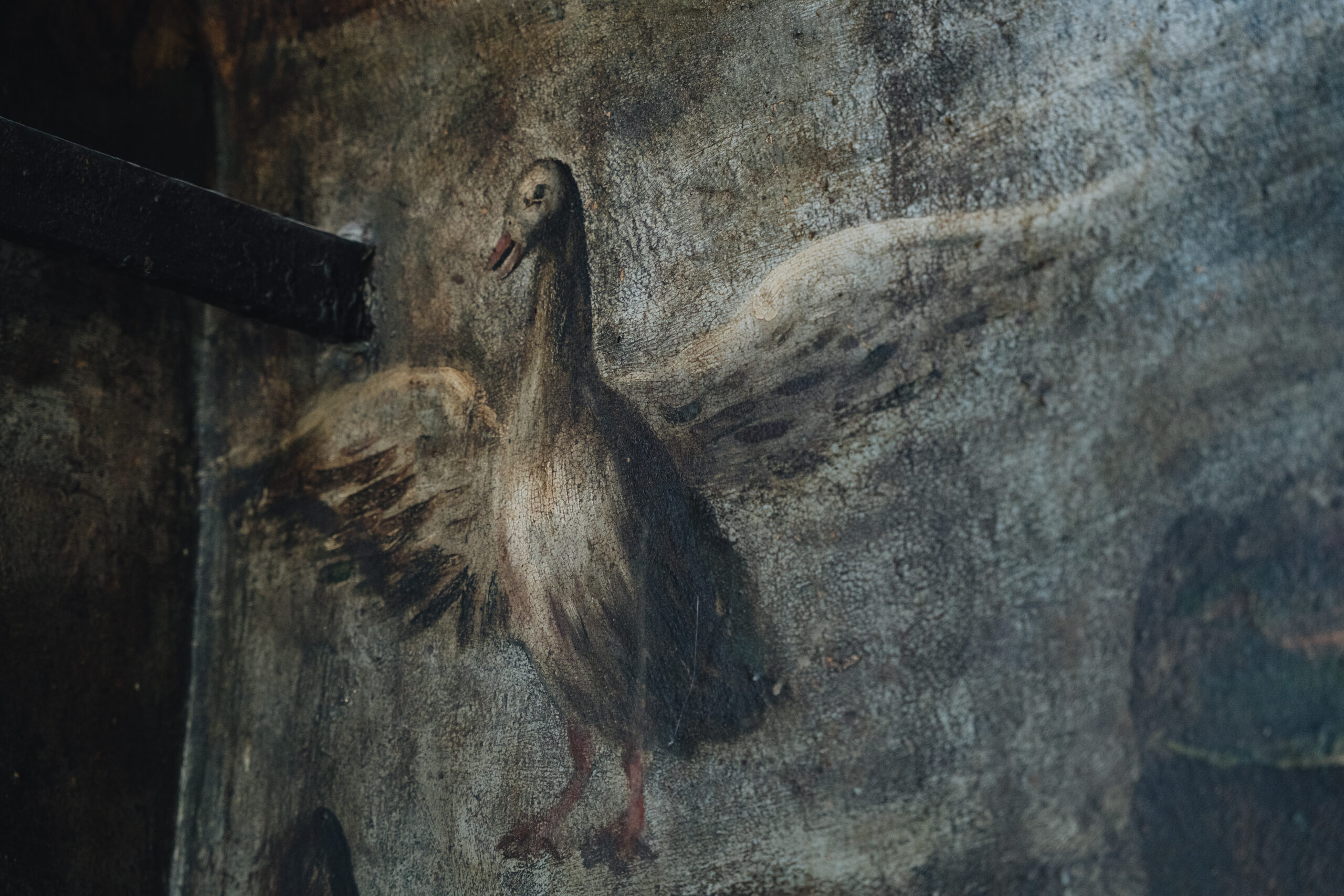
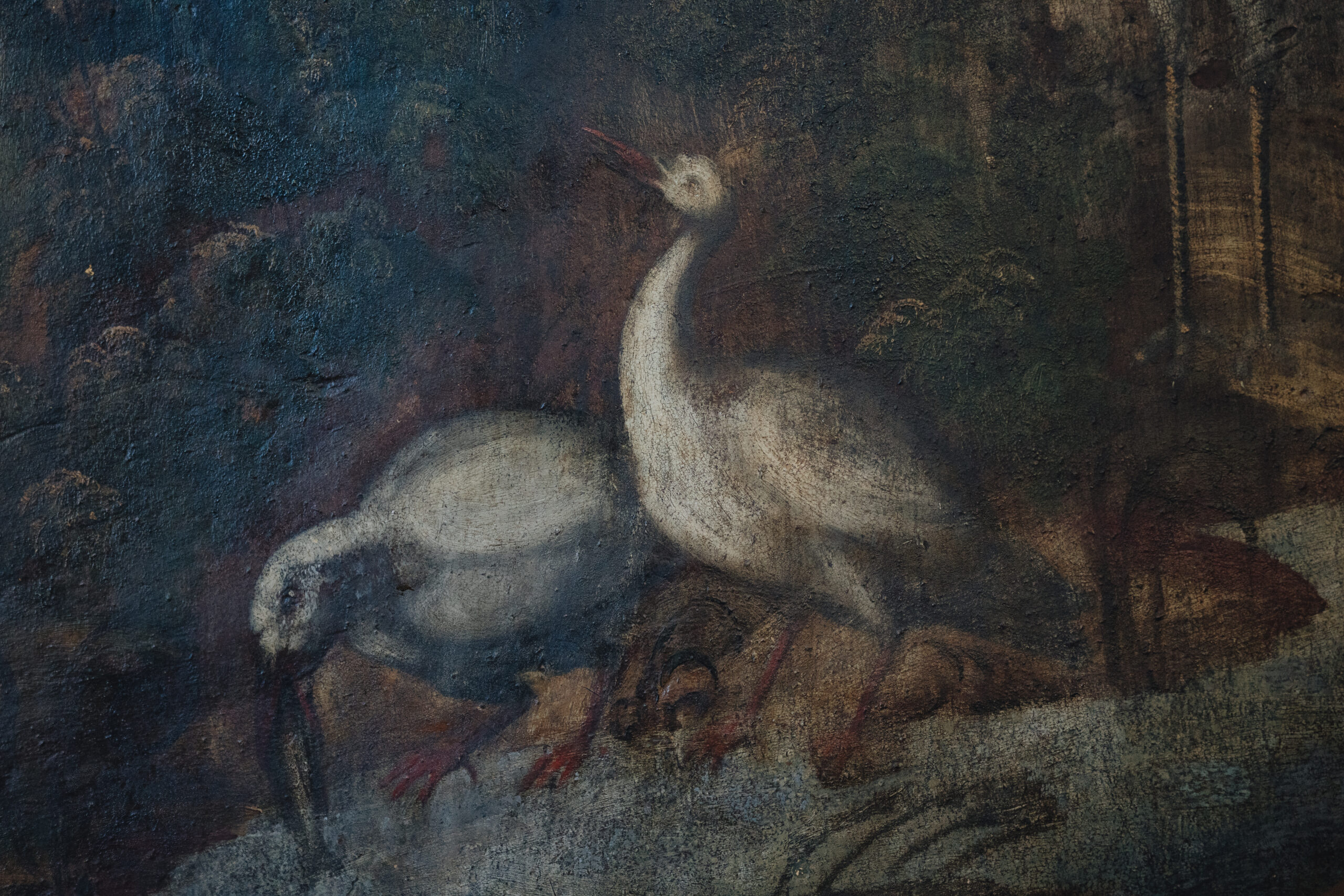
Among the wall paintings, a bestiary immediately catches the eye — a world of real and fantastical creatures. Here one can see a phoenix, a pelican, an elephant, monkeys, birds, and other animals. Most of these images carry symbolic meaning: the phoenix embodies resurrection, the pelican represents Christ’s self-sacrifice, and the presence of these exotic animals shows that the Lavra’s masters were familiar with the European book and engraving tradition.
These murals also demonstrate the high level of education of the Lavra’s icon painters. The Kyiv Pechersk Lavra had a painting school where future masters studied composition, anatomy, portraiture, and European models, and worked with study albums known as “kuzhbushky.” This is why the murals of the Holy Trinity Gate Church are called a true encyclopedia of Ukrainian Baroque.
How to visit the Holy Trinity Gate Church
Currently, the Holy Trinity Gate Church is under restoration and is therefore temporarily closed to visitors.
The church is located above the Holy Gates, the main entrance to the Upper Lavra. More about its history can be learned during the guided tour “The Lavra: A Mosaic of Centuries” or the author’s lecture-tour “The Figure of Ivan Mazepa and the Kyiv Pechersk Lavra.”
Advance booking for tours:
+38 (044) 406-63-75
+38 (066) 728-03-27