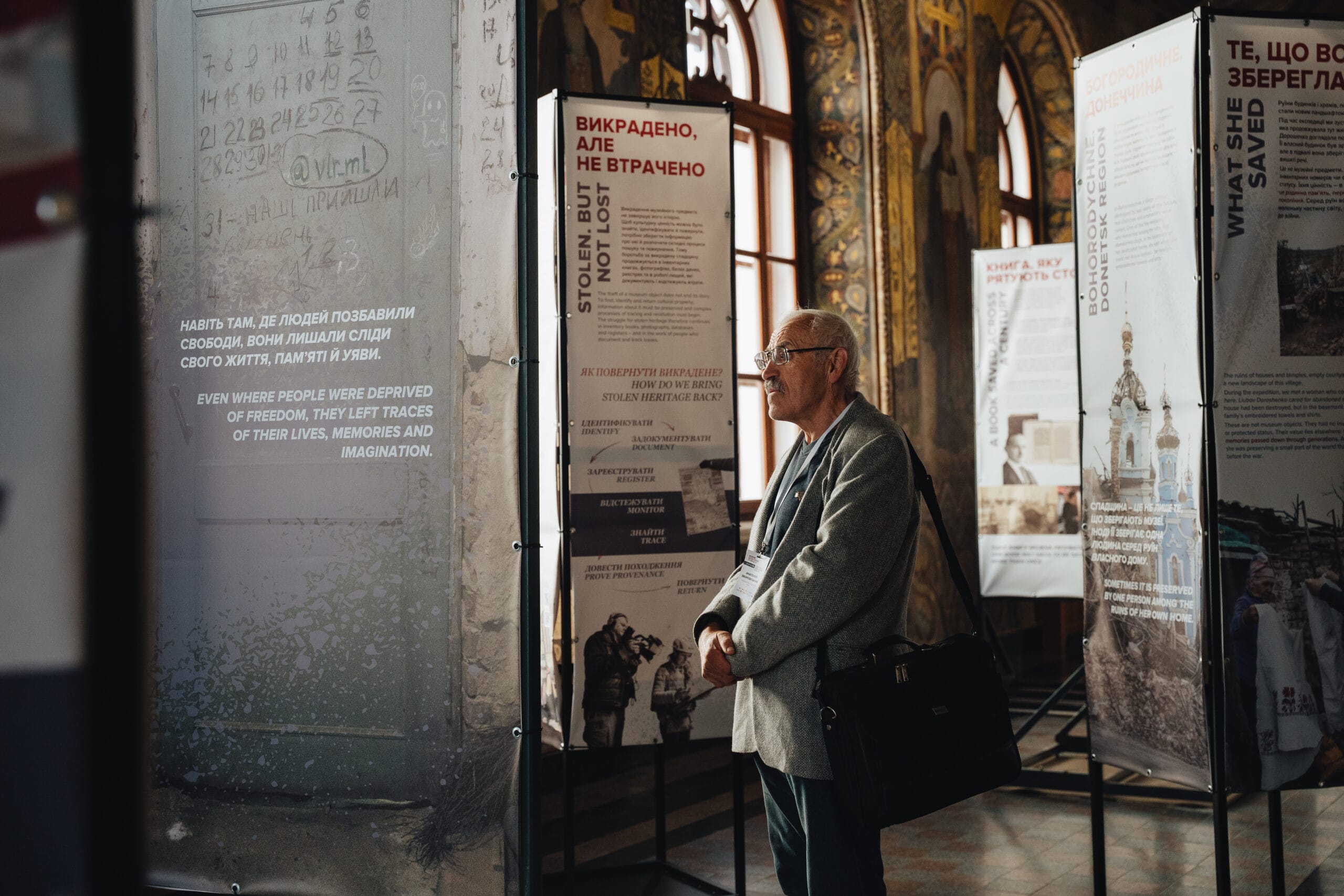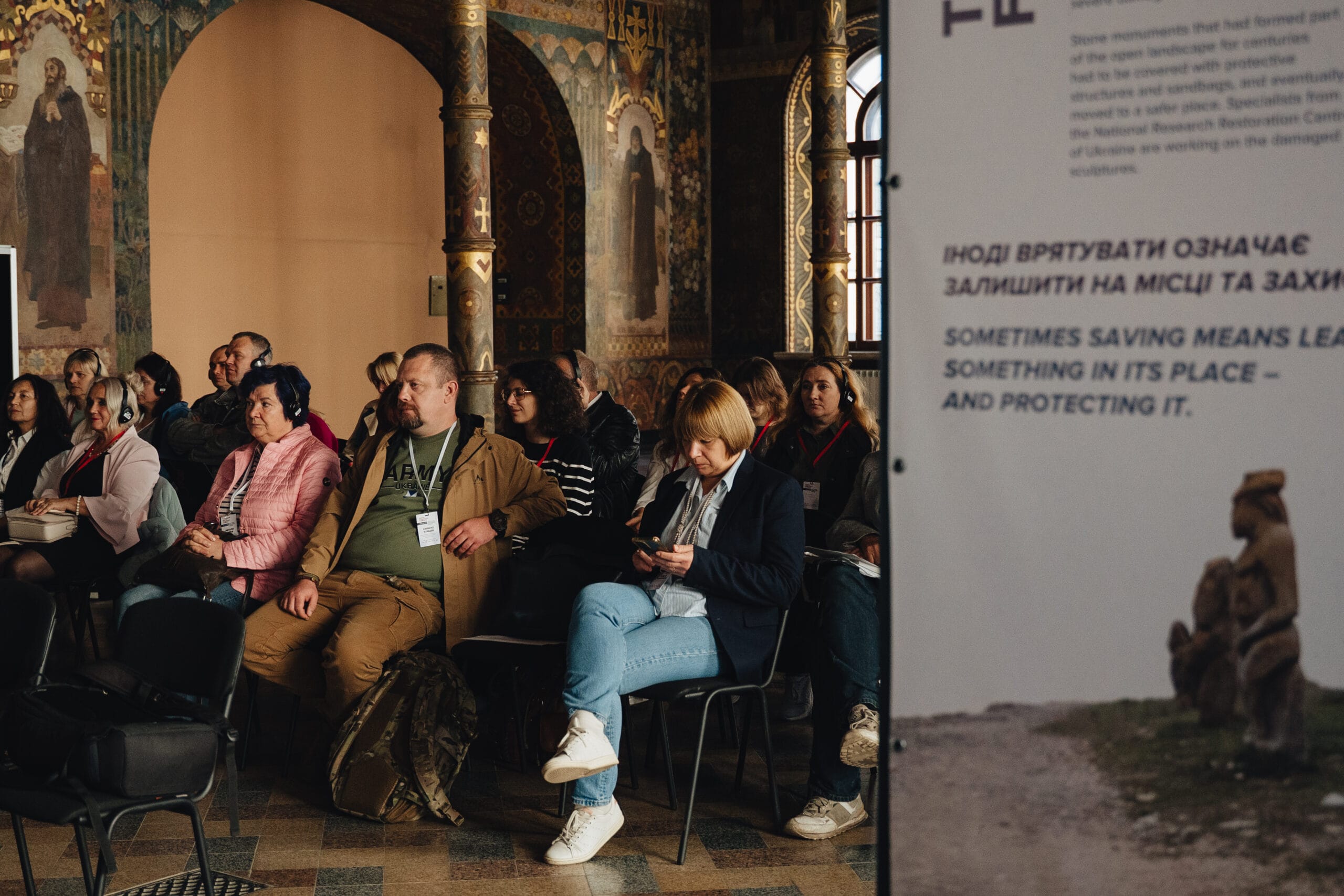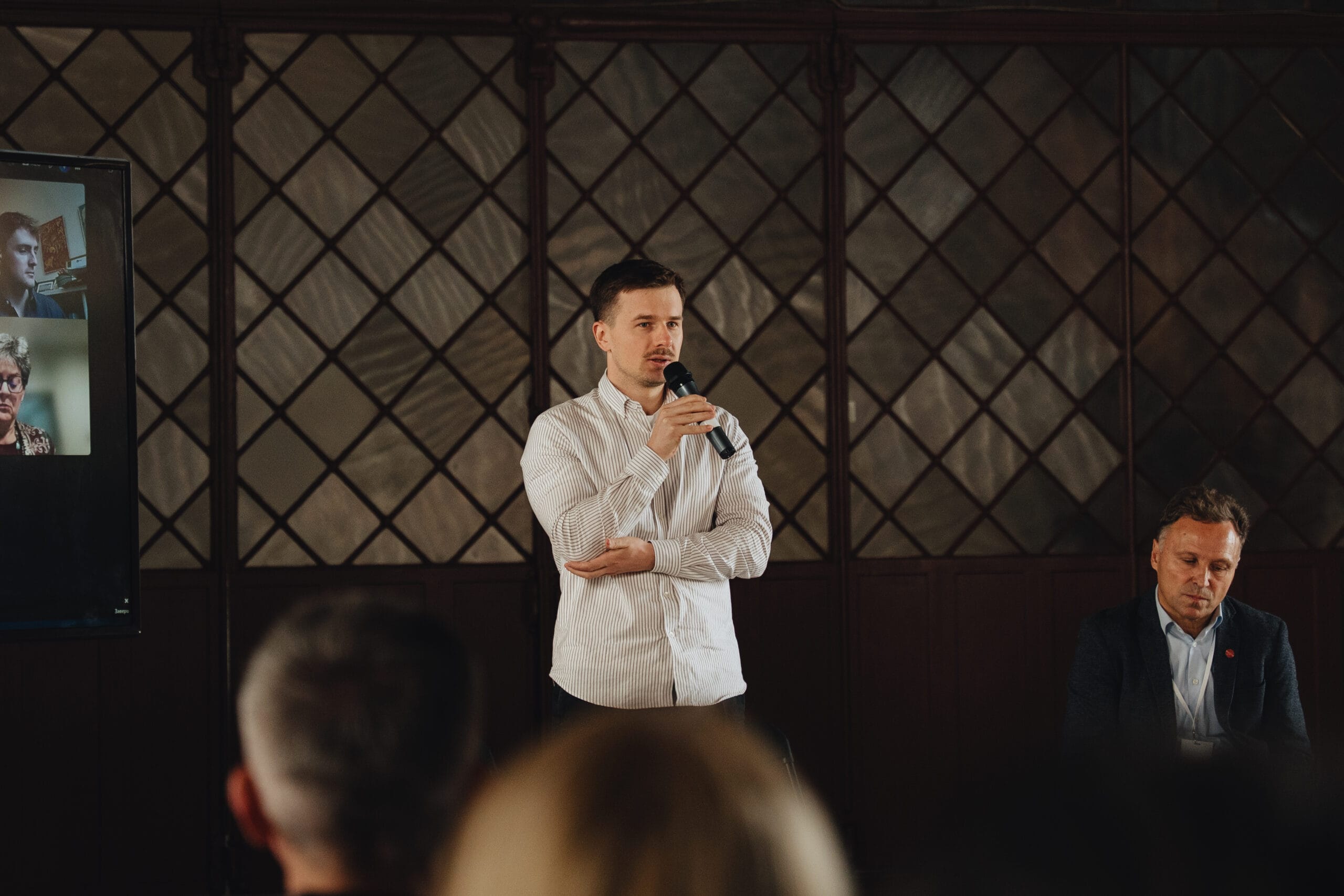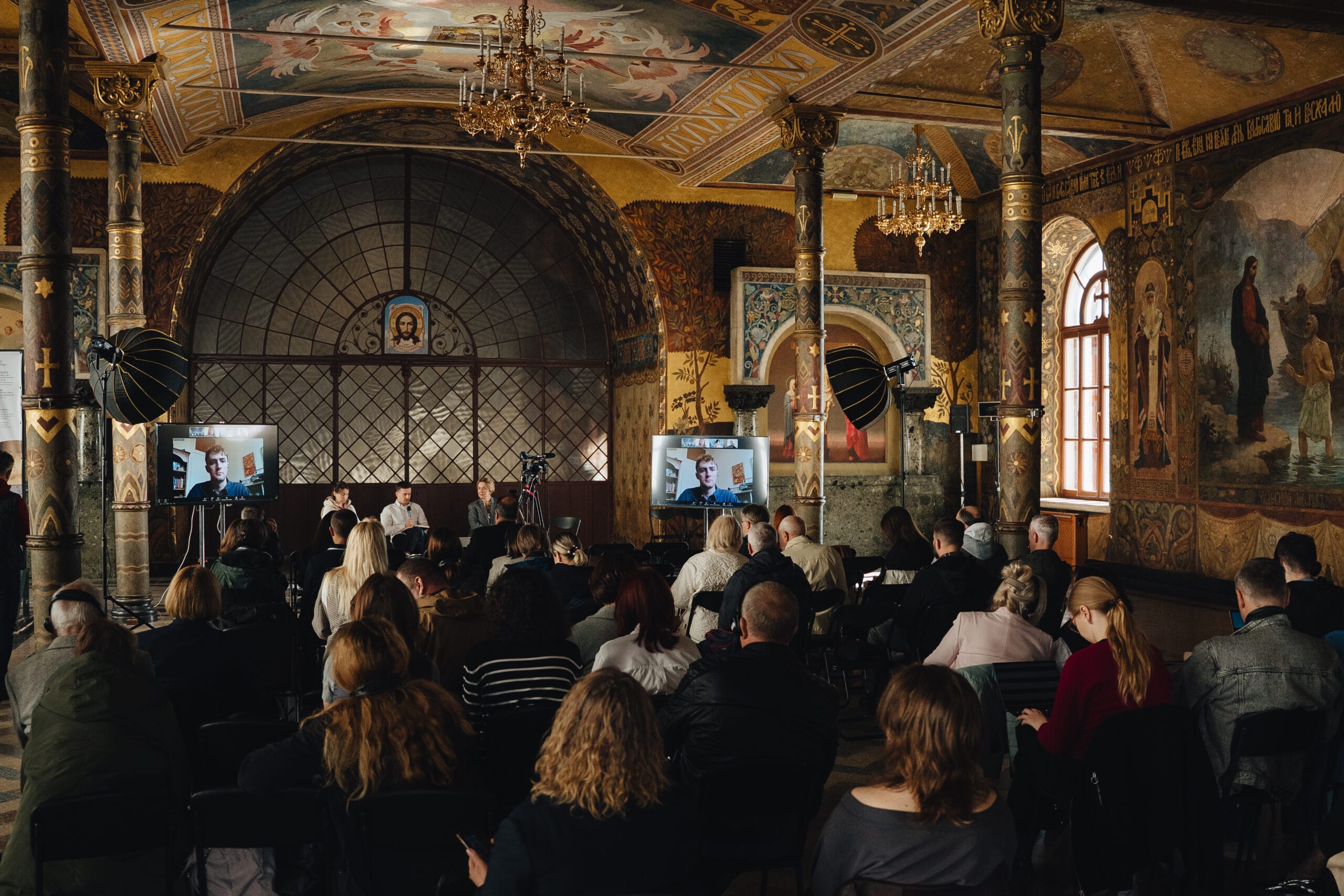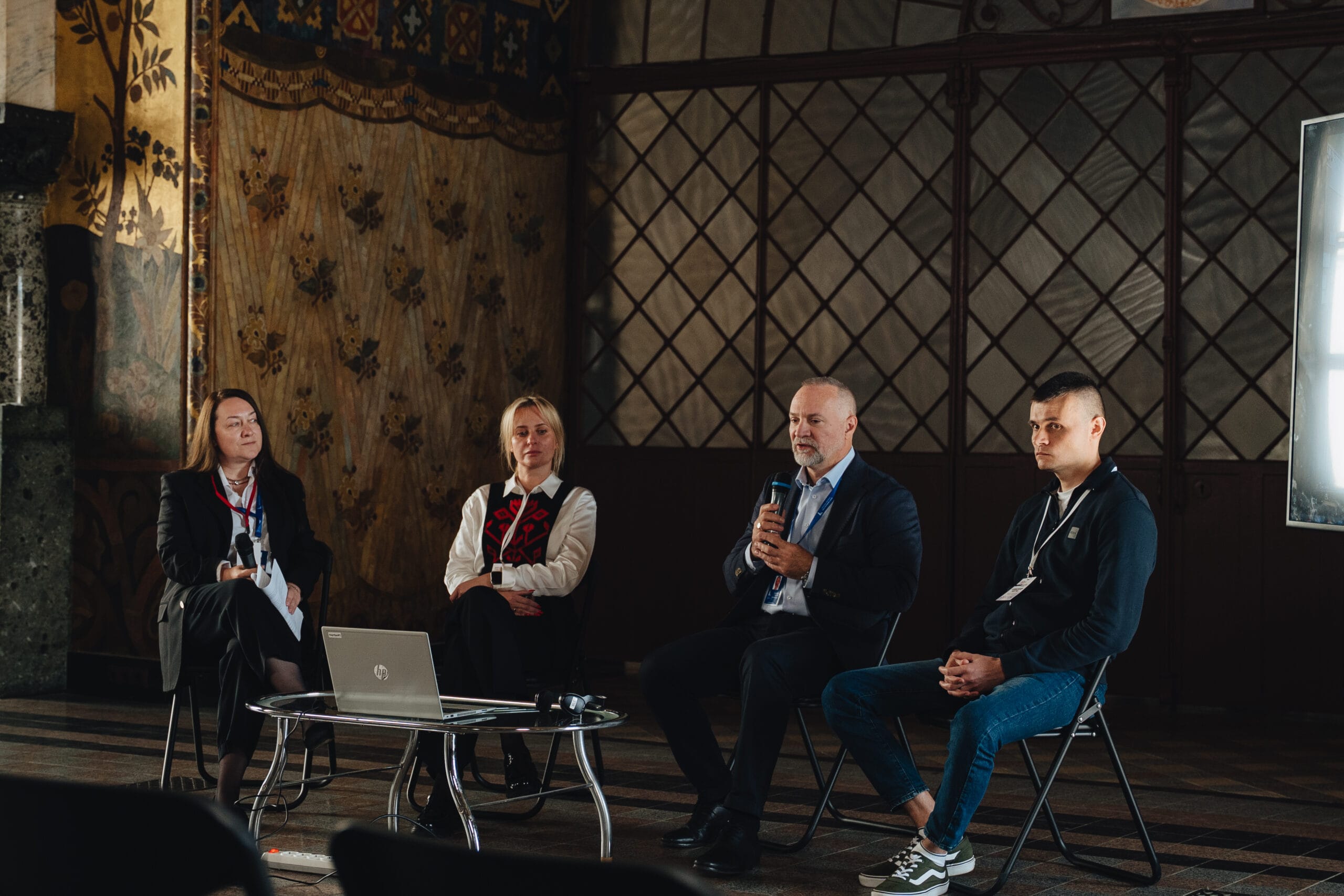
Evacuating museum collections, rescuing damaged monuments, and returning stolen valuables — these are the tasks Ukrainian museum workers face in the context of the Russian war. What support they need and what should be changed in the protection of cultural heritage was discussed at the Cultural Resilience Forum “From Emergency Response to a Protection System.” The meeting took place on October 2 in the Refectory of the Kyiv-Pechersk Lavra and brought together Ukrainian and international specialists, representatives of state institutions and public organizations, who also joined online. The forum participants discussed how to transform the experience of rescuing monuments into a system in which it is determined in advance who makes decisions, organizes evacuation, and provides the necessary assistance. First Deputy Minister of Culture of Ukraine Ivan Verbytskyi delivered a welcoming speech and took part in panel discussions on international assistance in the protection of Ukrainian heritage and the importance of cultural heritage for the security and stability of the country. The General Director of the National Reserve “Kyiv-Pechersk Lavra” Maksym Ostapenko joined the session “From warning to the first 72 hours”, which was moderated by the Deputy General Director of the National Reserve Kateryna Yegorova. Based on the experience of the Russian attack on the Lavra on the night of June 15, 2026, Maksym Ostapenko proposed creating permanent response teams at cultural heritage sites. “It seems to me that in war conditions, ideally, each site should have some kind of, albeit small, but permanent response team. Because we understand: a lot of strikes occur at night. At night, there are no specialists at cultural heritage sites who understand its specifics. And there are no people who can quickly make a decision on what to evacuate first,” the General Director of the National Reserve noted. Maksym Ostapenko noted that the creation of such teams requires significant funds and is associated with a risk to people. At the same time, in his opinion, this practice should be introduced at least at individual sites. During other discussions, the forum participants considered practical issues: how to evacuate and safely store collections, record the theft of cultural values and seek their return, protect damaged buildings from further destruction. They also discussed international assistance and cooperation between museum workers, authorities, the military and rescuers. During the forum, an international traveling exhibition “What We Chose to Save. Stories from Cultural Heritage Rescue Missions in Ukraine” was opened. The organizers and partners of the event were the Agency for Cultural Sustainability (ACURE), the Black Sea Hub CER, the National Museum of the Revolution of Dignity, the National Reserve “Kyiv-Pechersk Lavra”, Europa Nostra, the European Cultural Hub, Ukraine Fulbright Circle and the State Museum of Book and Printing of Ukraine.