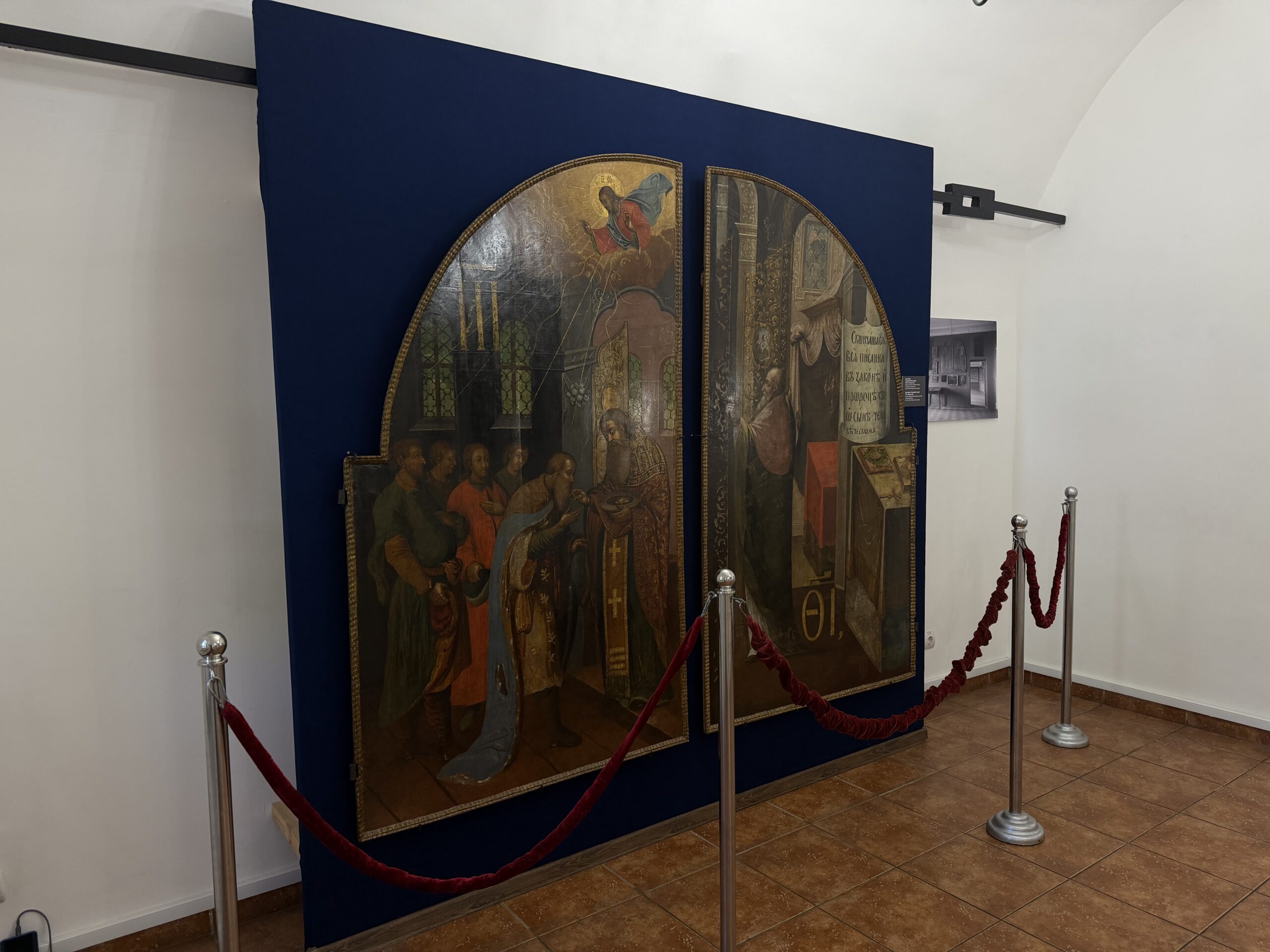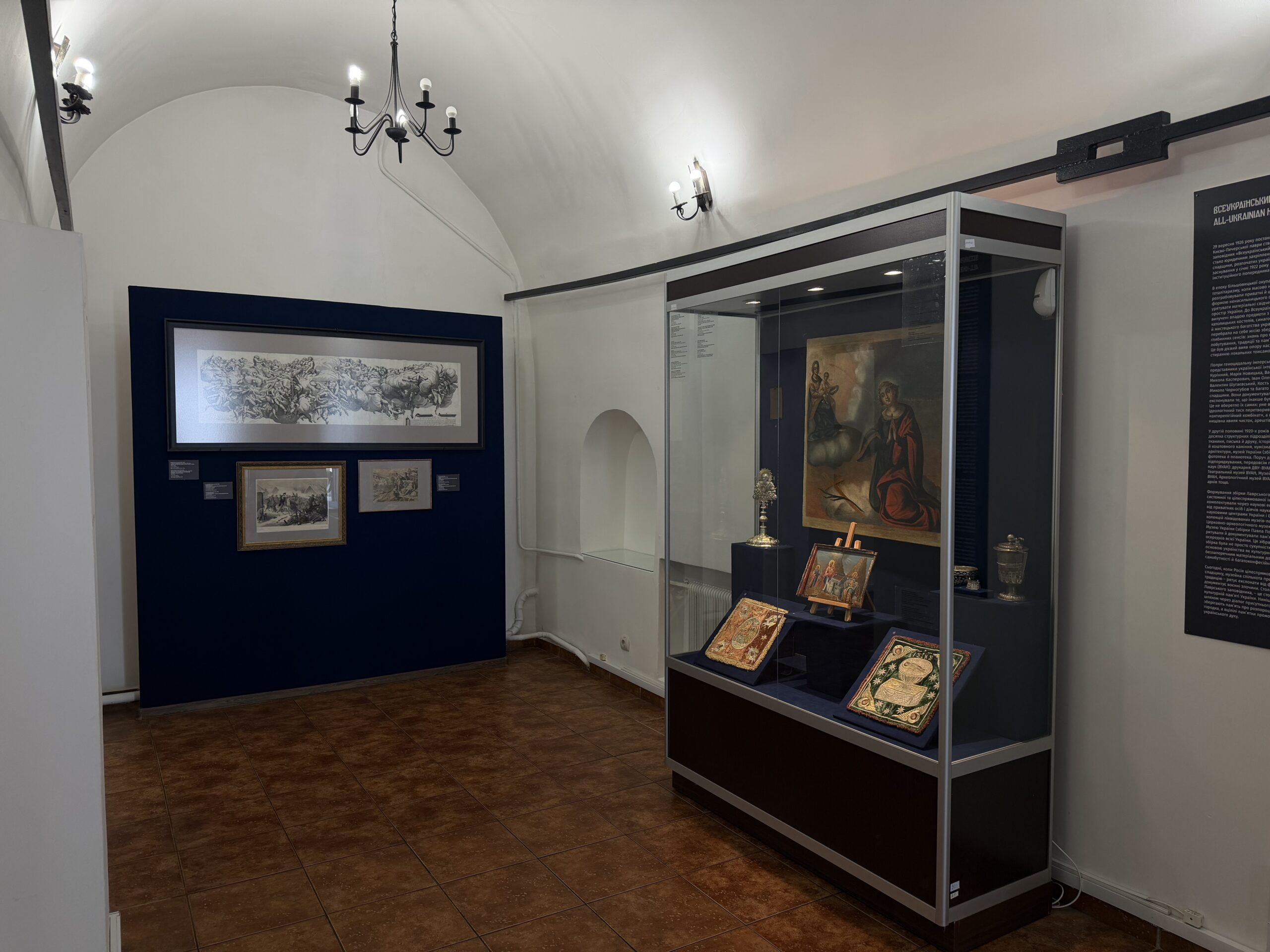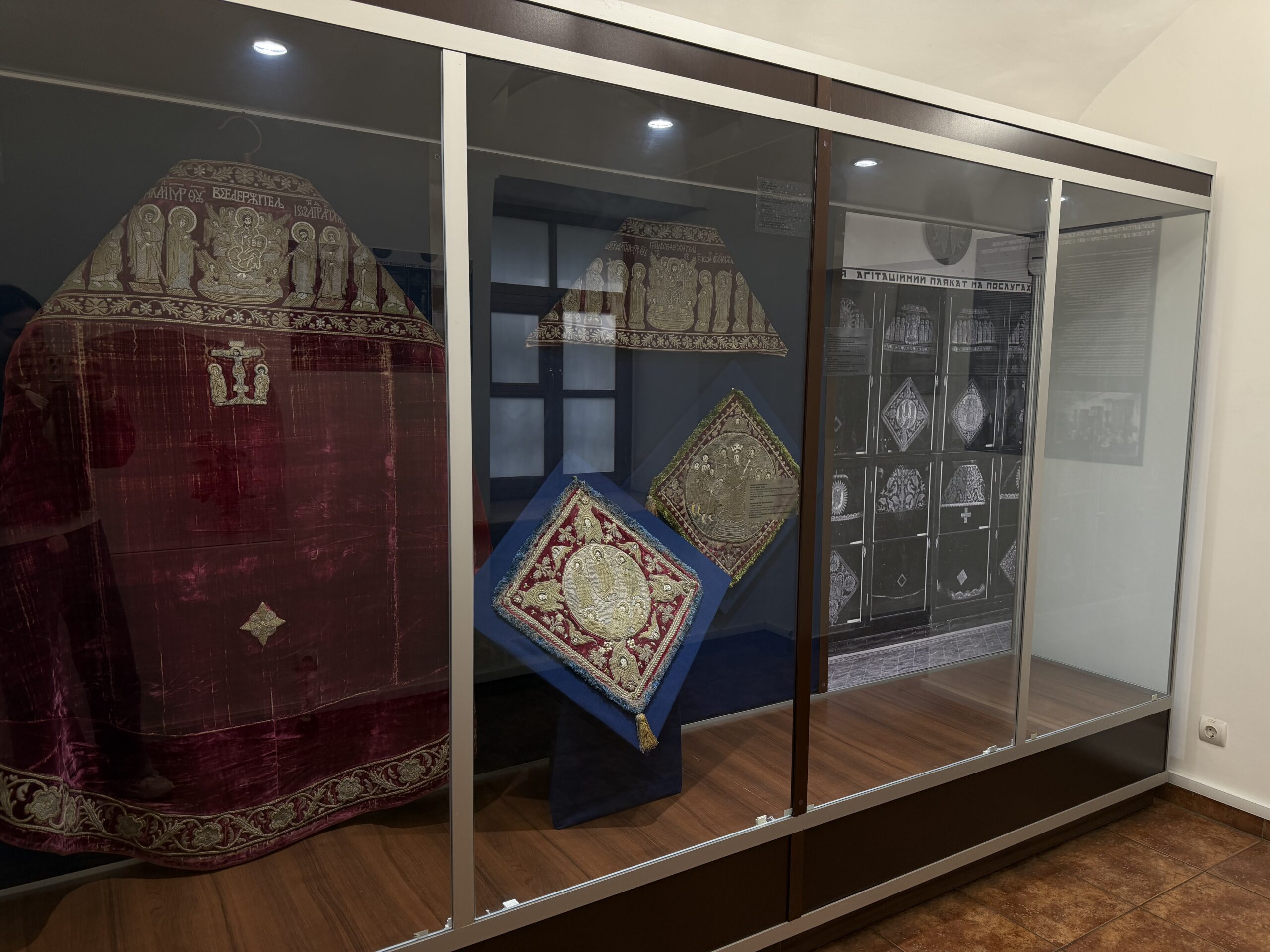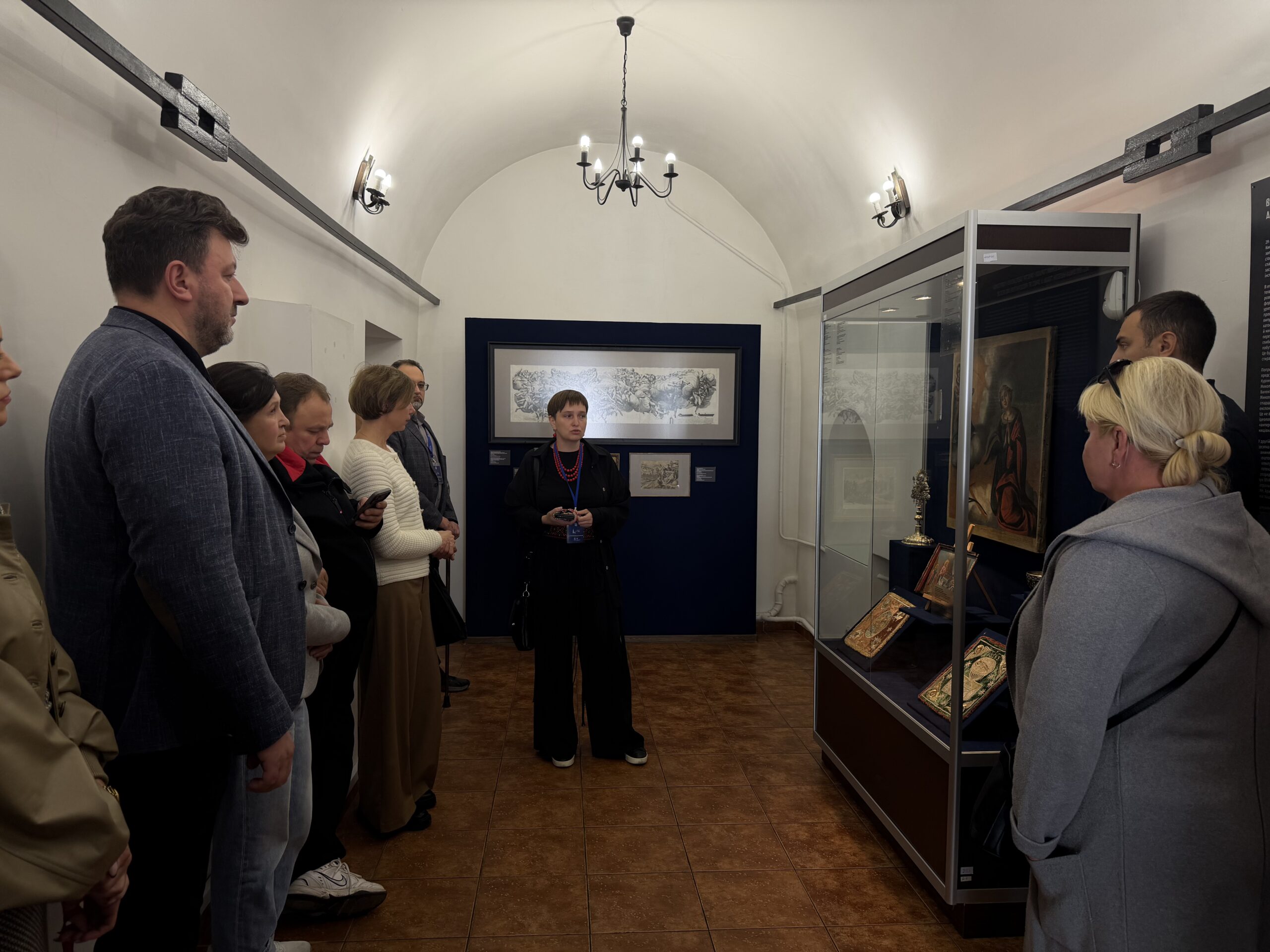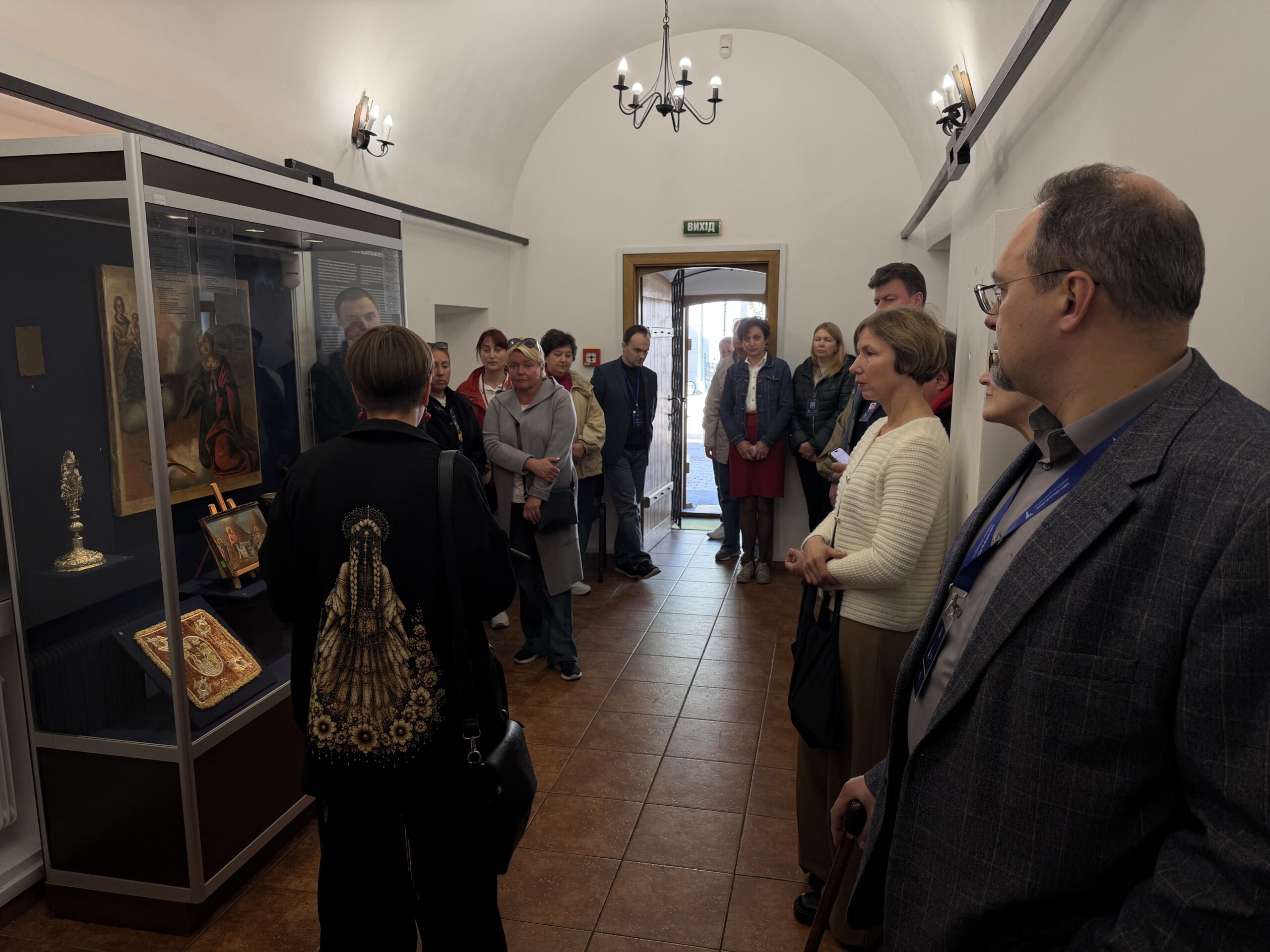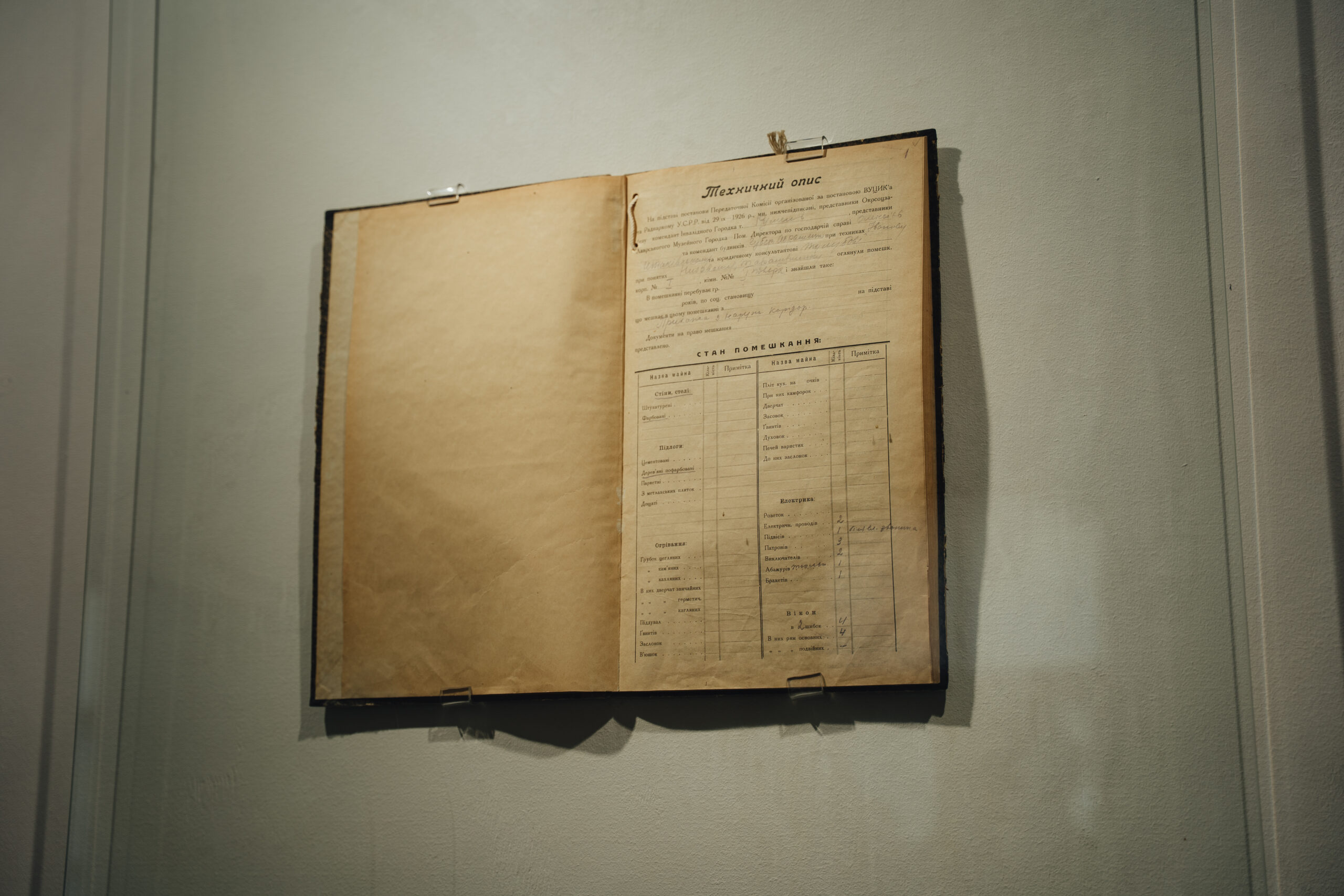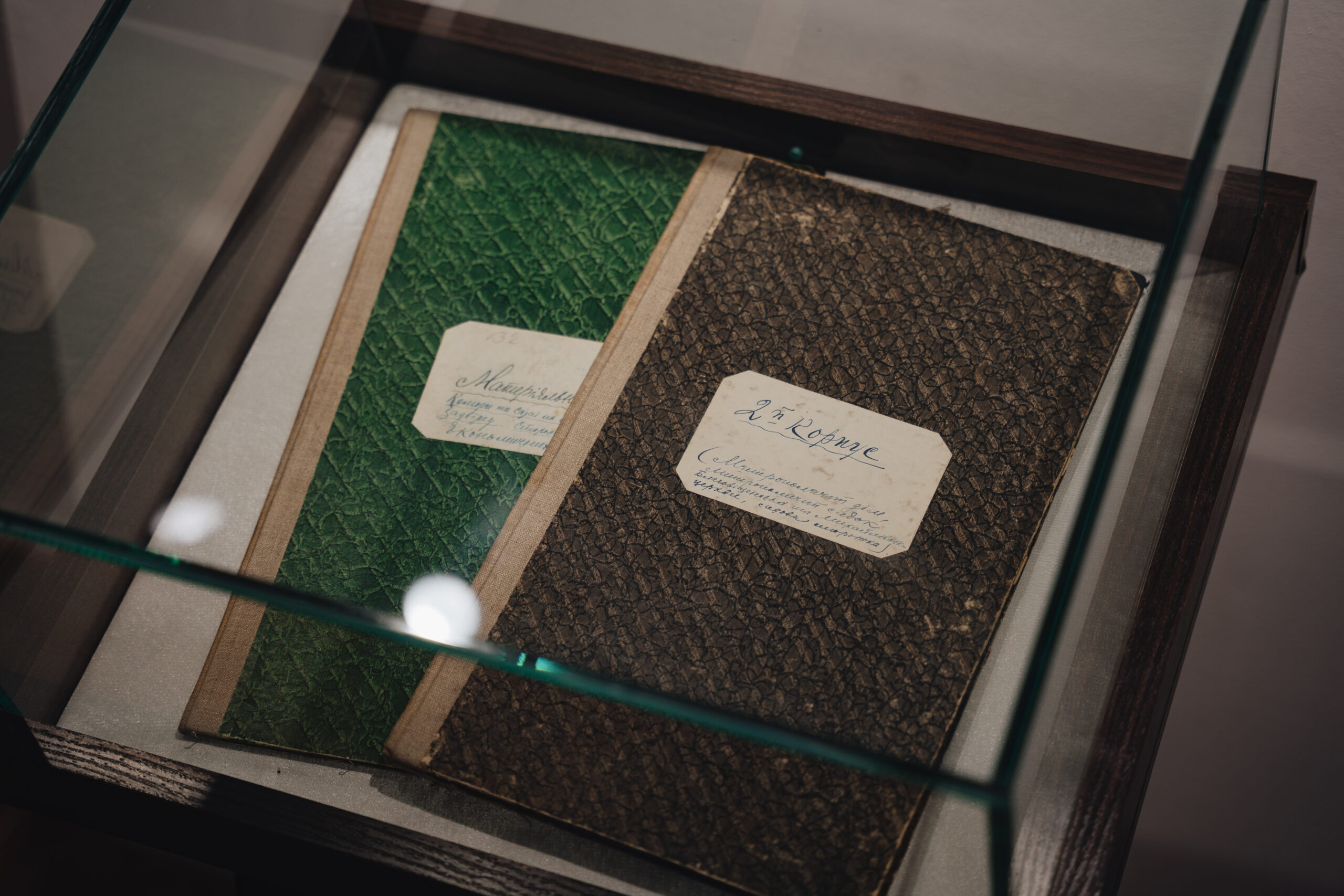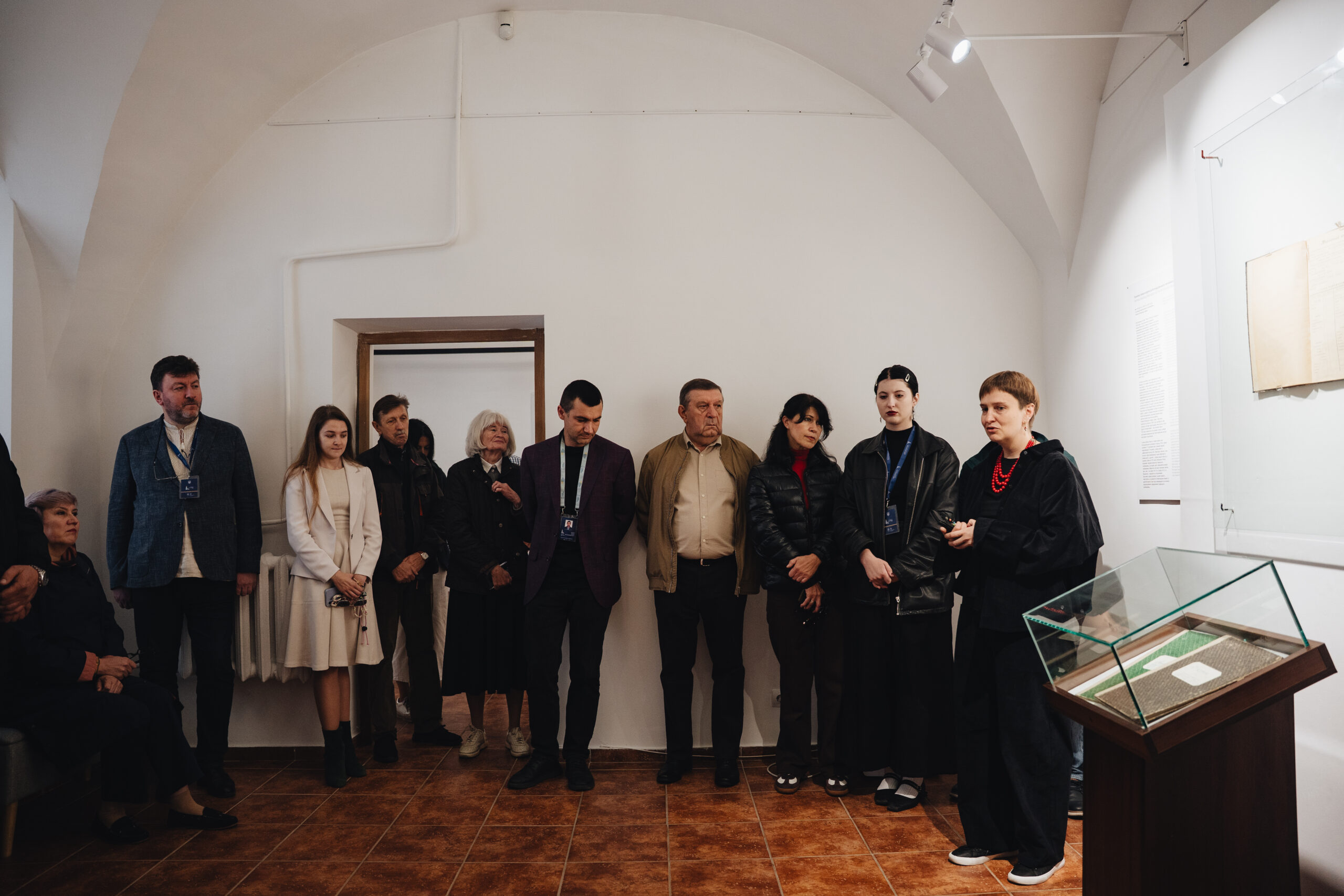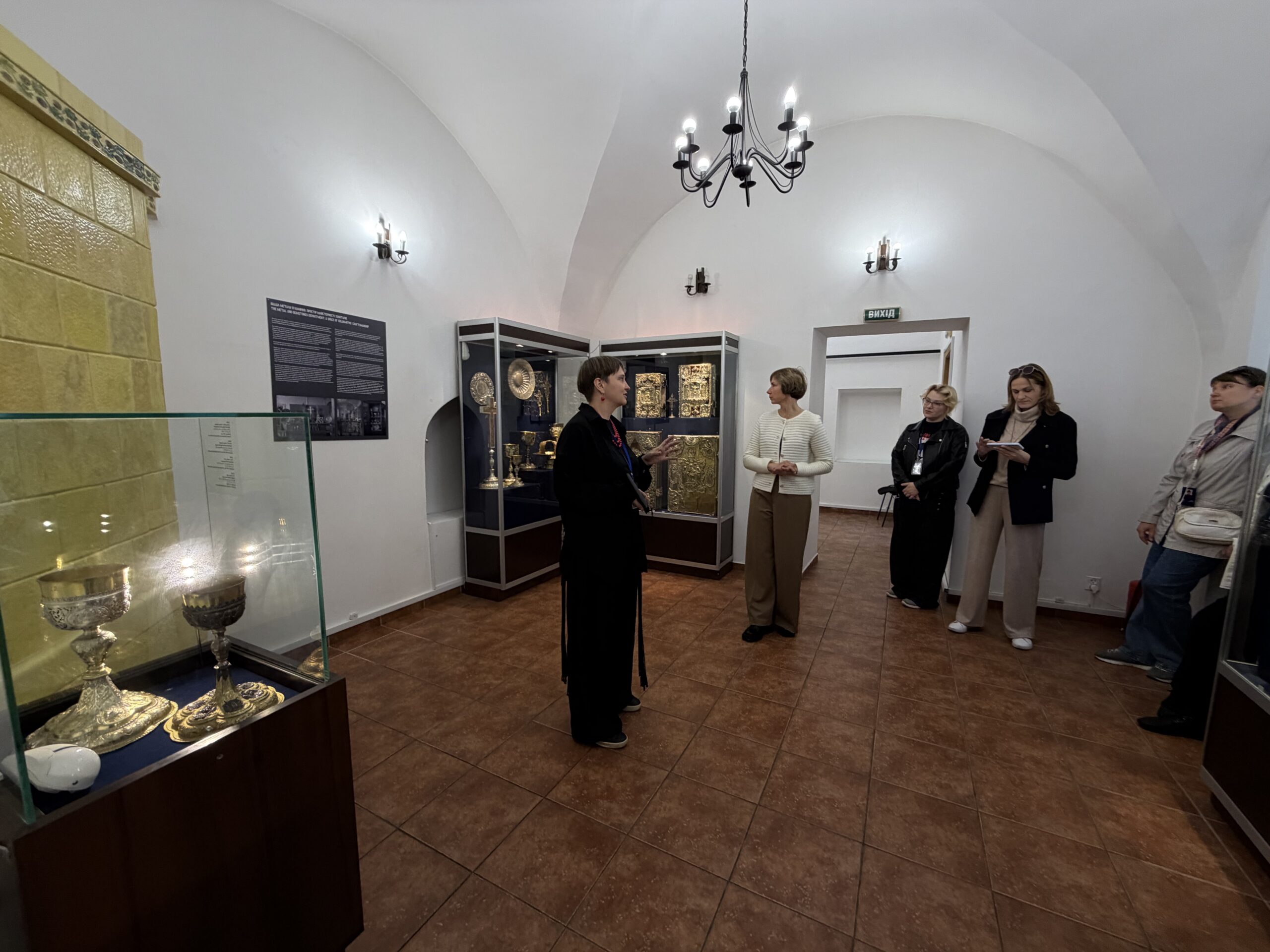
Saved monuments, lost collections and the fate of the keepers of Ukrainian heritage – the Kyiv-Pechersk Lavra presented an exhibition dedicated to the centenary of the National Reserve. The exposition “Centuries of Asceticism: The Lavra Reserve on the Guard of Cultural Heritage” tells about the first decade of its work through objects, archival photos and documents. The reserve was created on September 29, 1926 on the basis of the Lavra Museum of Cults and Life. During the Bolshevik destruction of sacred heritage, museum workers preserved objects from temples, monasteries and assemblies, studied them and documented their origin. Among these specialists are Petro Kurinny, Maria Novitska, Pavlo Popov, Kostya Moschenko and many other Ukrainian intellectuals. In the five halls of the new exhibition, historical photos of the expositions were combined with preserved objects: church embroidery, Lavra old prints, engravings, Baroque icons and works of goldsmiths. The photographs show the wealth of the collections at that time, and the museum texts tell about the losses – the removal, sale abroad and destruction of monuments, as well as the repressions against their researchers. The everyday life of the newly created reserve is revealed by the archival technical descriptions presented in the “Exhibition of a Single Exhibit”. This permanent project introduces visitors to objects from closed funds and their stories. The technical descriptions of buildings No. 1 and No. 2 and the outbuildings in the Economic Backyard, drawn up in 1927, were selected for the centenary. The commission that accepted the buildings and property of the former monastery recorded the condition of the premises, the available items and information about the residents. From the descriptions, one can learn how the Lavra buildings were used: in some rooms exhibits were placed and scientific offices were equipped, in others museum employees and their families lived. After the reconstruction of the buildings and the dismantling of the outbuildings, these books became important sources for studying their appearance and layout. Both exhibitions are dedicated to the work of museum workers, thanks to which monuments and knowledge about them have come down to us. Today, this work continues in the conditions of the Russian war – through the protection of collections, research and restoration.