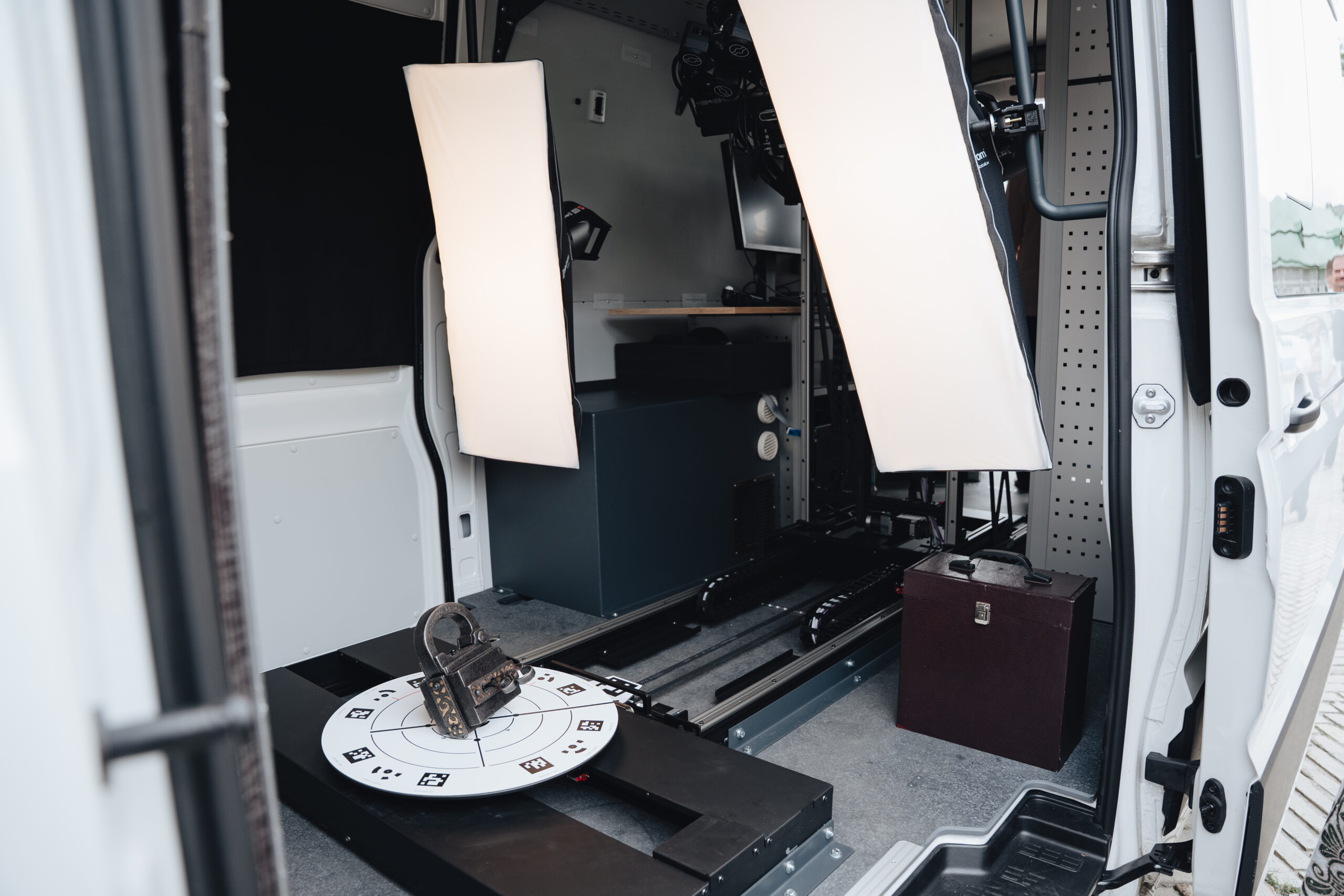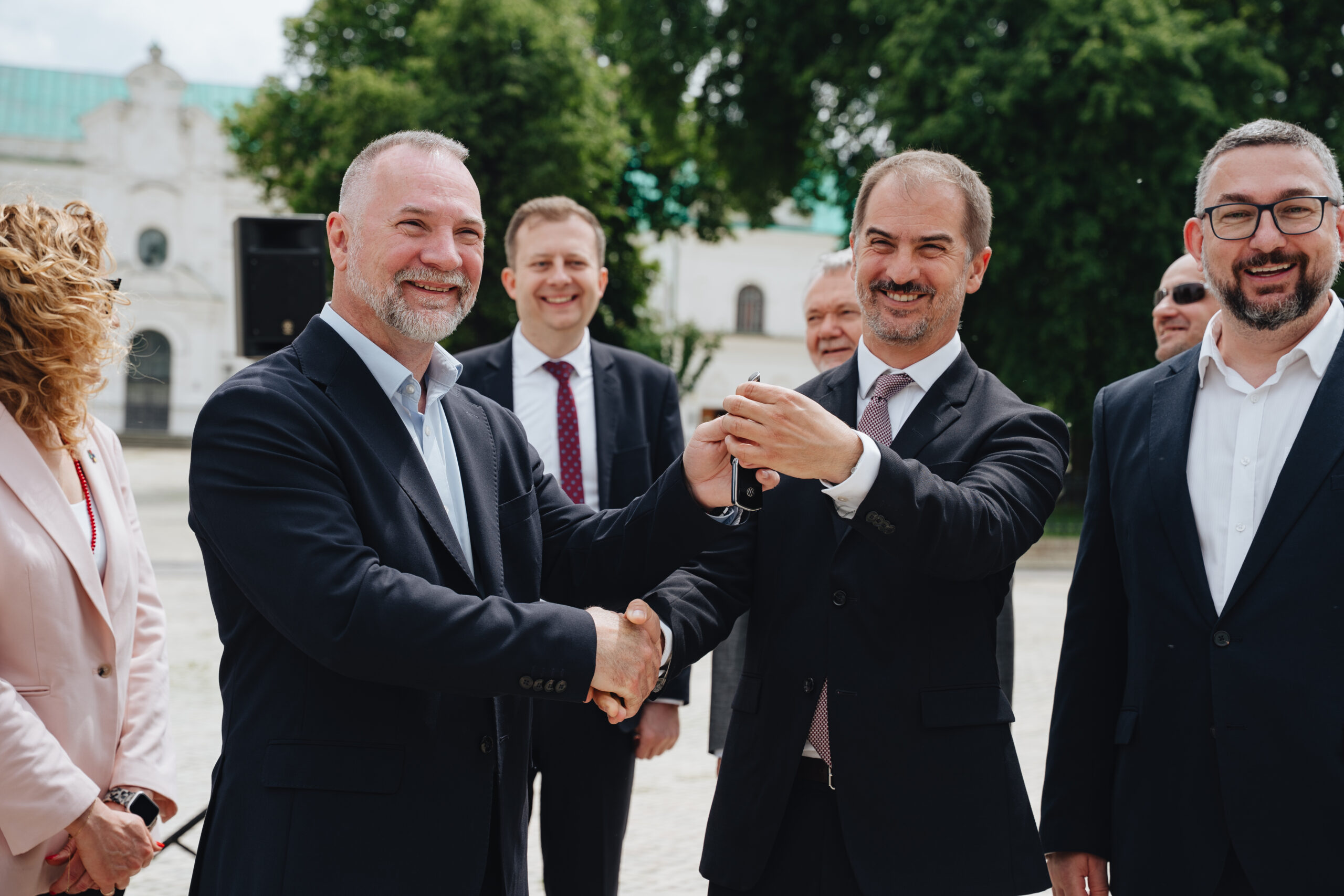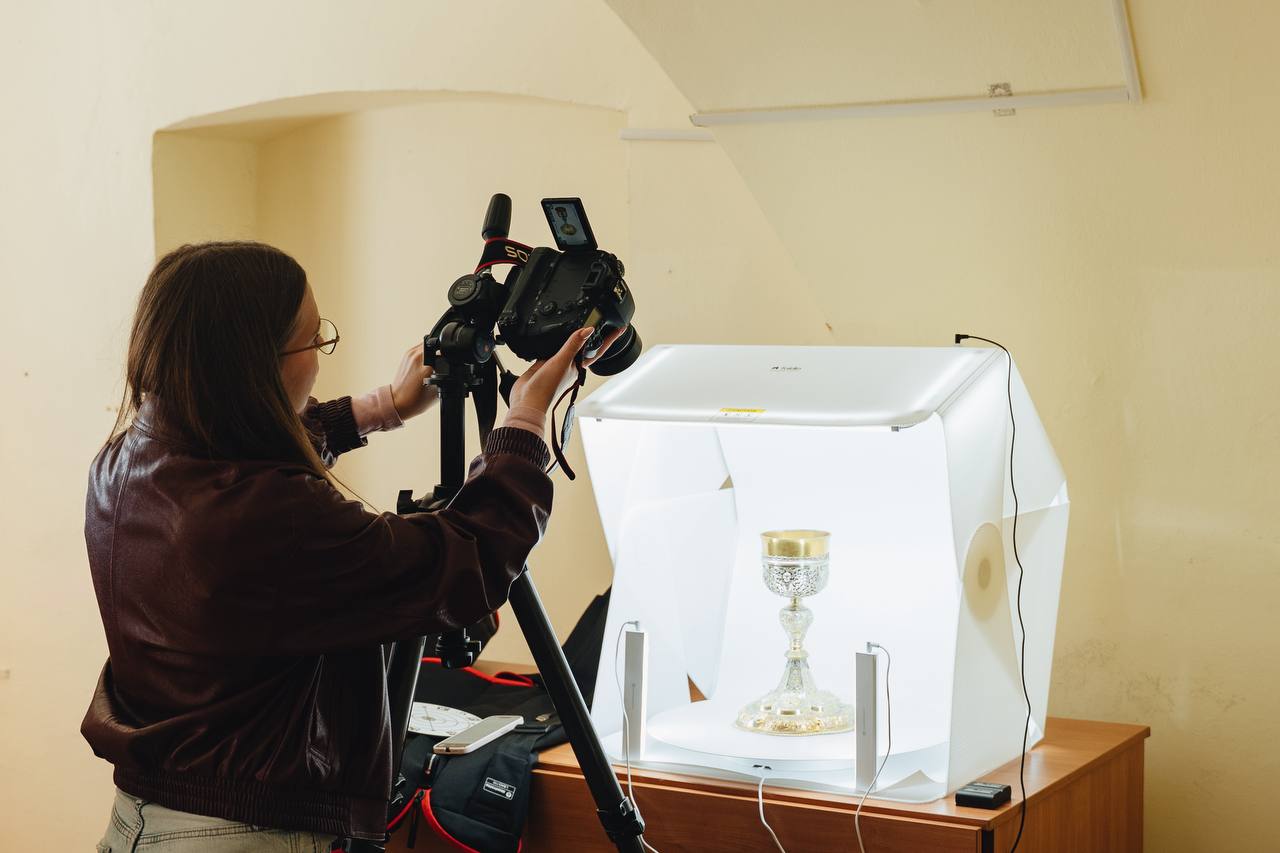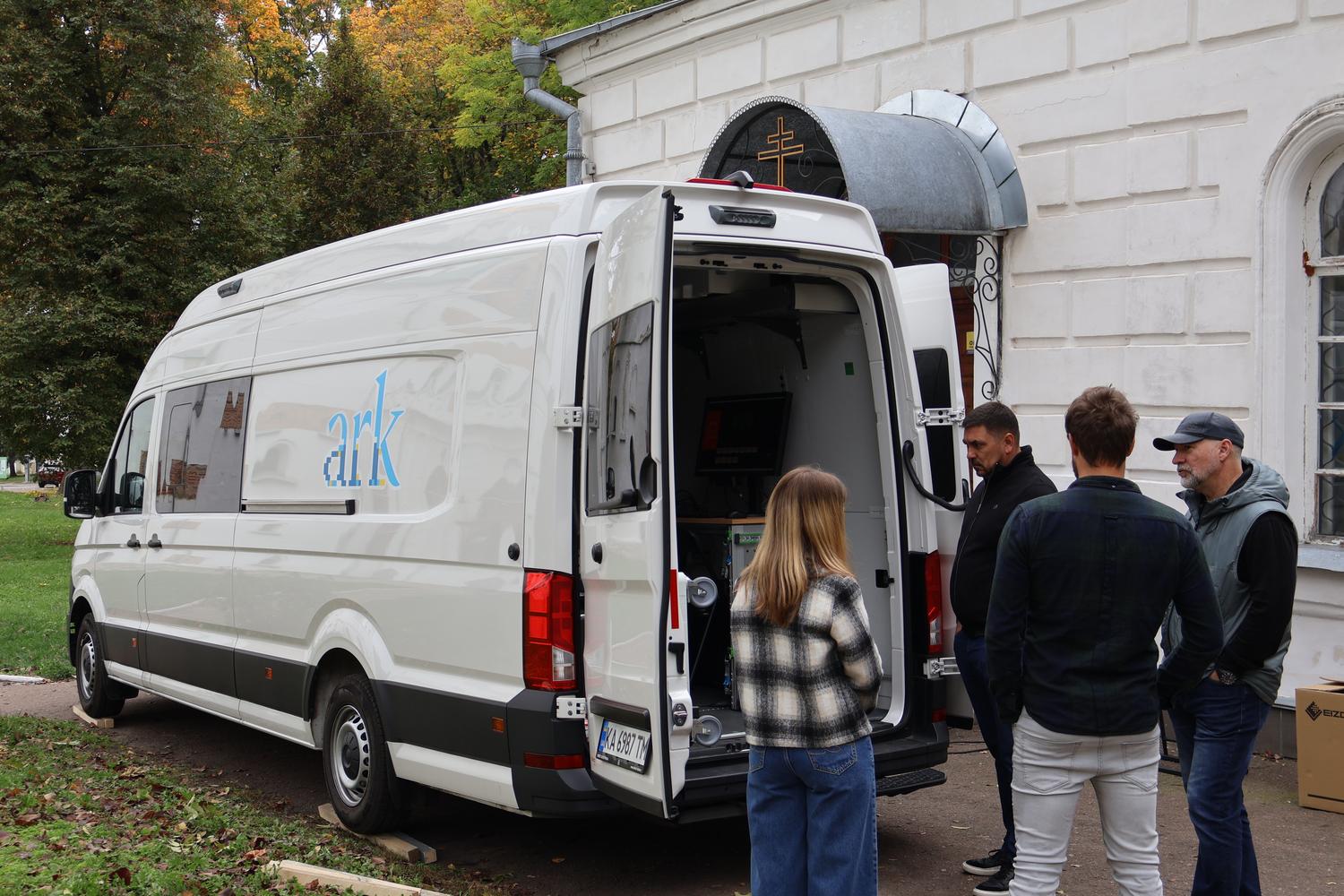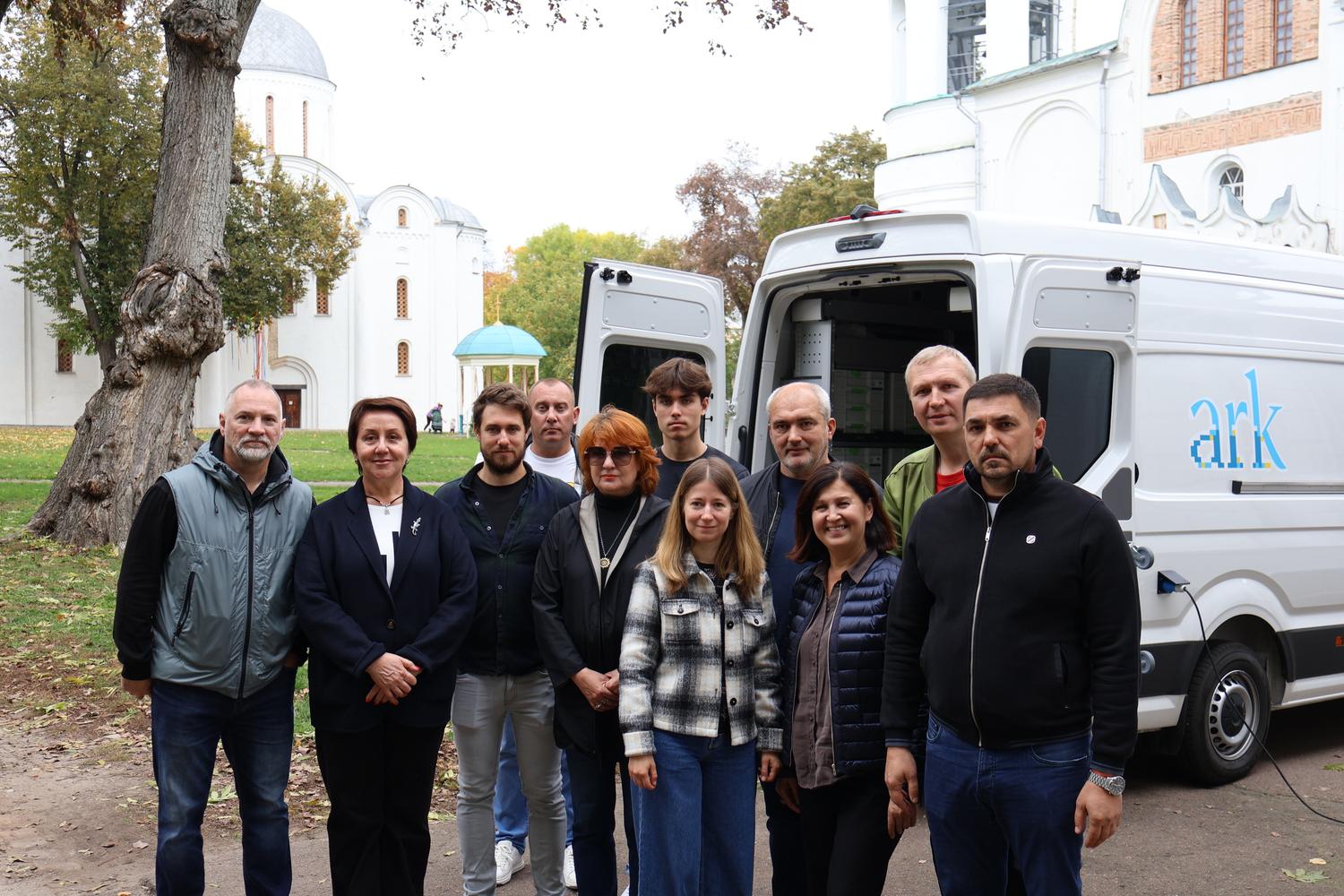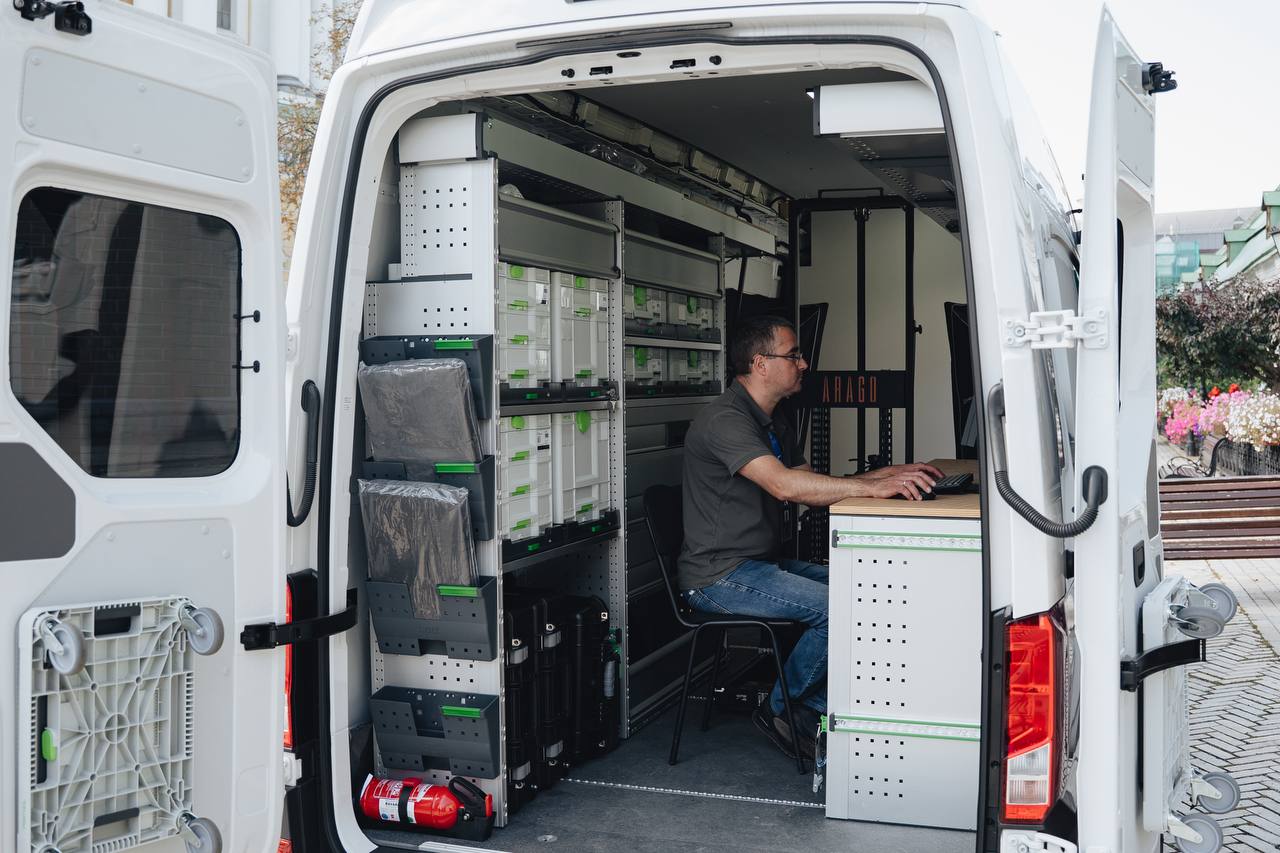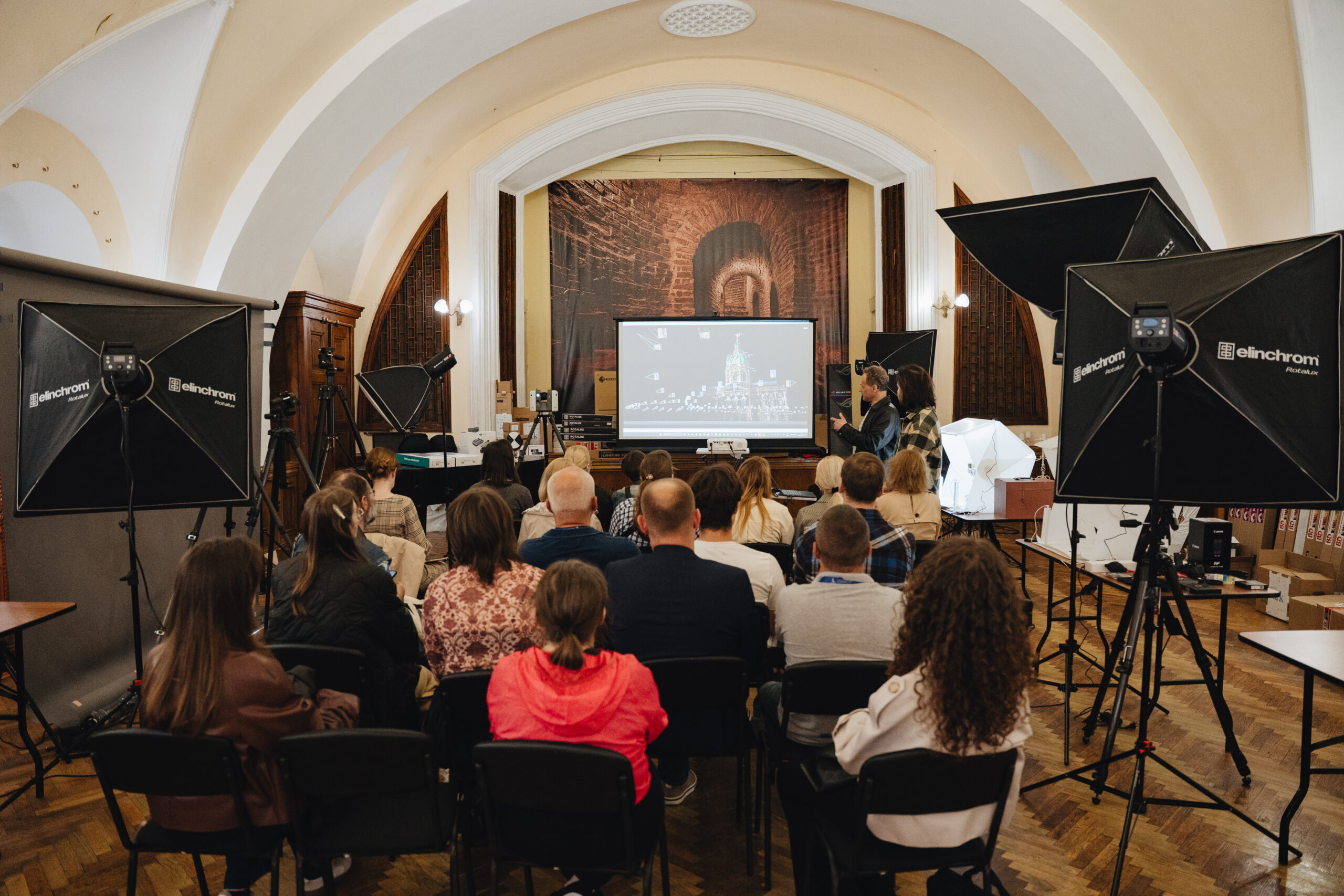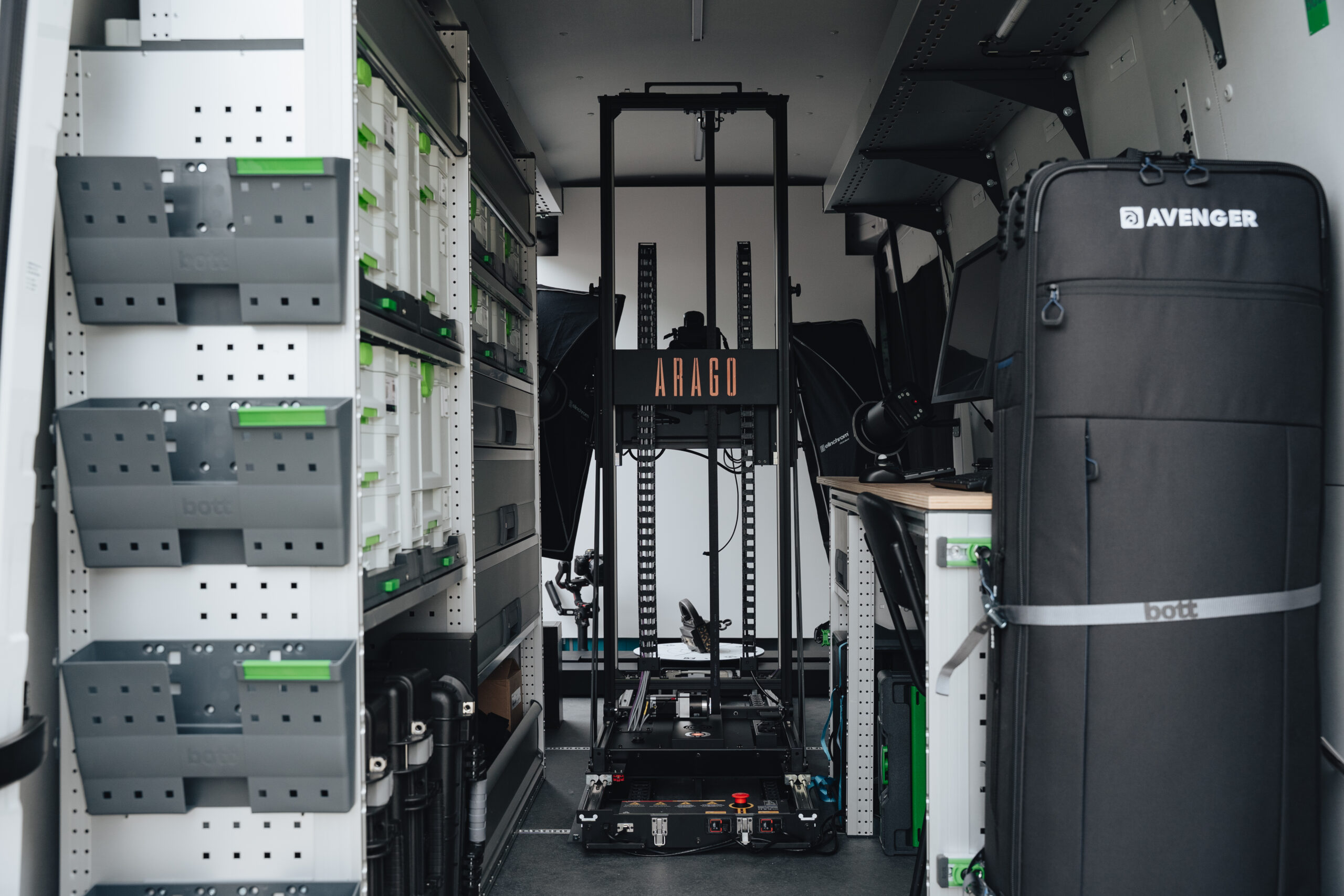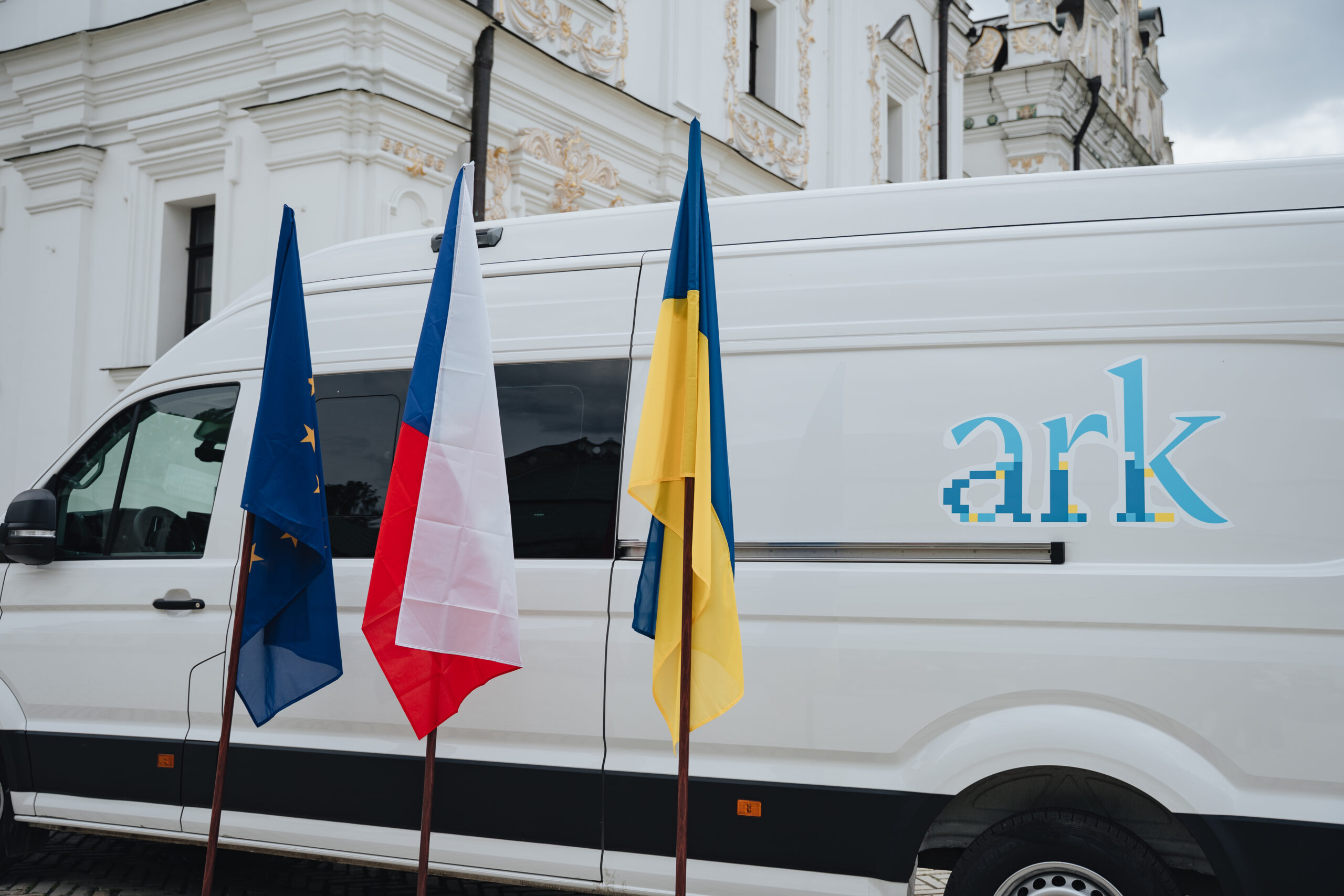
The Ark III mobile laboratory, which helps digitize Ukrainian cultural heritage during the war, was included in the list of the best inventions of 2026 according to TIME magazine. This is the first individual Czech project to receive such an award in the 26 years of the list’s existence. The laboratory was created by the National Museum of the Czech Republic and the Karel Komarek Family Foundation. The foundation initiated and financed the project, and the museum developed the equipment and technologies. The complex was transferred to the Kyiv Pechersk Lavra National Reserve free of charge. Ark III creates accurate 3D copies of museum objects and monuments. A specially converted Volkswagen Crafter car has two photogrammetric robots with cameras. One works inside, the other can be transported to museum premises. This makes it possible to digitize objects that are dangerous to transport. TIME selects inventions that help respond to societal challenges for its annual list. The editorial team evaluates their originality, efficiency, innovation, and impact. This year, such solutions include a laboratory for the preservation of Ukrainian heritage. The full list is available on the TIME website . “Inclusion in the prestigious list of TIME’s Best Inventions of 2026 is a recognition of our long-term and continuous support for Ukraine since the beginning of the Russian aggression. We consider this proof that our work on the “Ark” project also has significance on a global scale. An innovative solution created thanks to the courage and cooperation with the team of the National Museum can serve as an exemplary and timeless example of protecting culture in times of crisis for other countries in the world,” said Lubos Veselyi, director of the Karel Komarek Family Foundation. The foundation fully financed the development of Ark III, providing 18 million Czech crowns. The National Museum of the Czech Republic provided the production of a mobile laboratory and the implementation of technologies. Its specialists also prepared a digitization methodology and are training Ukrainian specialists to work with the equipment. “The National Museum is an important European museum institution that uses its experience and expertise to protect cultural heritage both at home and abroad. “Ark III” is a concrete aid to Ukraine at a time when its cultural heritage is threatened by Russian aggression. I highly appreciate the cooperation with the Karel Komarek Family Foundation, which shows what wonderful results can be achieved by combining the public and private sectors. The TIME magazine award is an extraordinary recognition for us,” said Michal Lukaš, Director General of the National Museum of the Czech Republic. The museum supports the work of the laboratory and helps manage digital data. The created copies are stored in a secure cloud storage. They can be used for research, documenting the condition of the objects and future restoration. Data loading is ongoing, access to them is currently limited for security reasons. Ark III has already worked in Chernihiv. The next trip is planned to Lviv. “We appreciate the international cooperation that made it possible to bring “Ark III” to life. The mobile complex has already been used in the National Architectural and Historical Reserve “Ancient Chernihiv”, where it was used for digital documentation of cultural heritage. In the near future, it is planned to move it to the Lviv National Art Gallery named after Borys Voznytsky,” said Maksym Ostapenko, General Director of the National Reserve “Kyiv-Pechersk Lavra”. Ark III is part of a broader program of assistance to Ukrainian cultural institutions. Together with the National Library of the Czech Republic, the foundation is preparing the Ark II project for the digitization of rare books and manuscripts. Private donors and the MND company are involved in its financing. Another joint project of the foundation and the library is the Ark I mobile conservation complex. Since January 2025, it has been used to process and stabilize the condition of 36,166 pages in 2,308 historical documents. Previously, the Stanford Social Innovation Review included the Ark project among 14 inspiring stories of 2025.