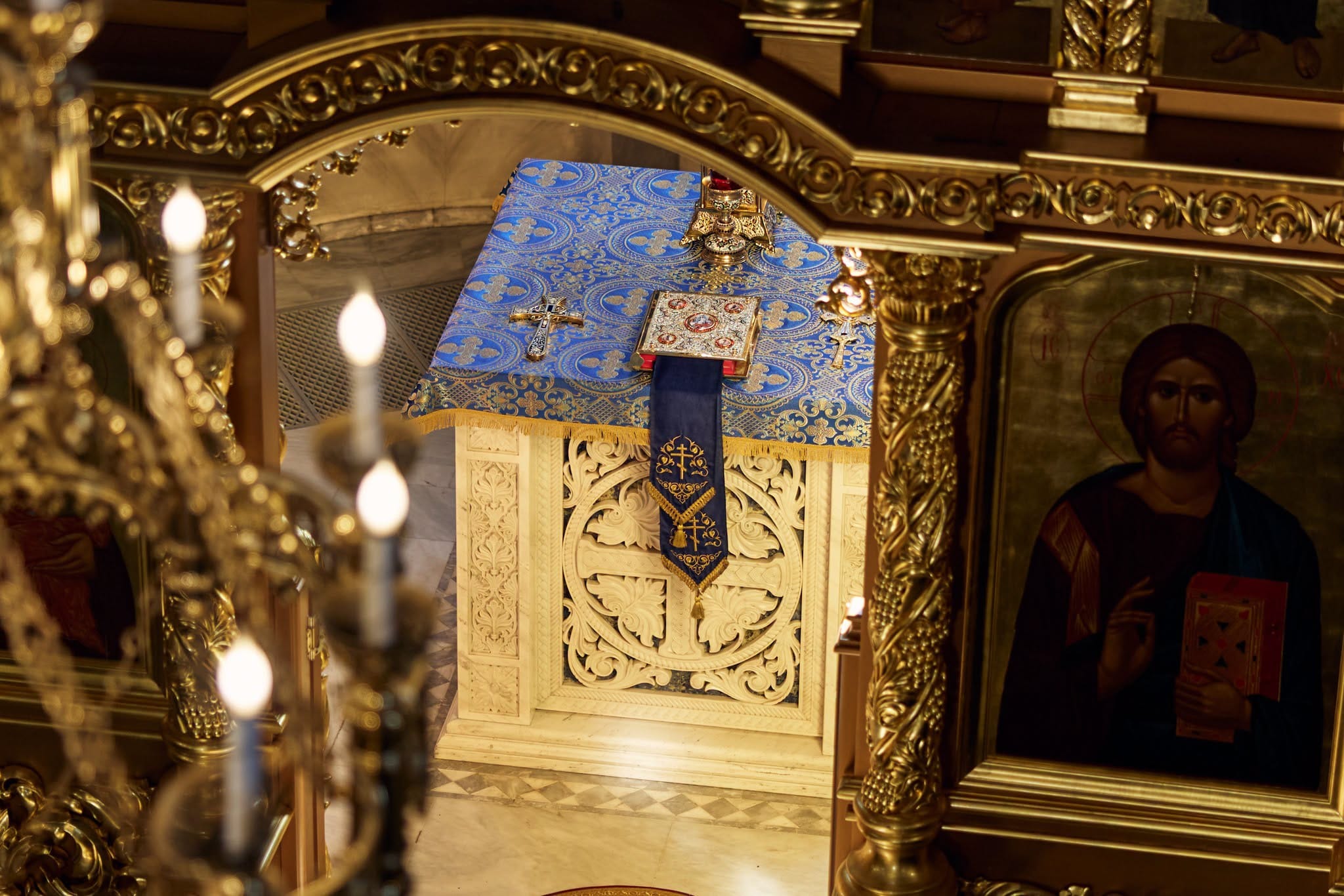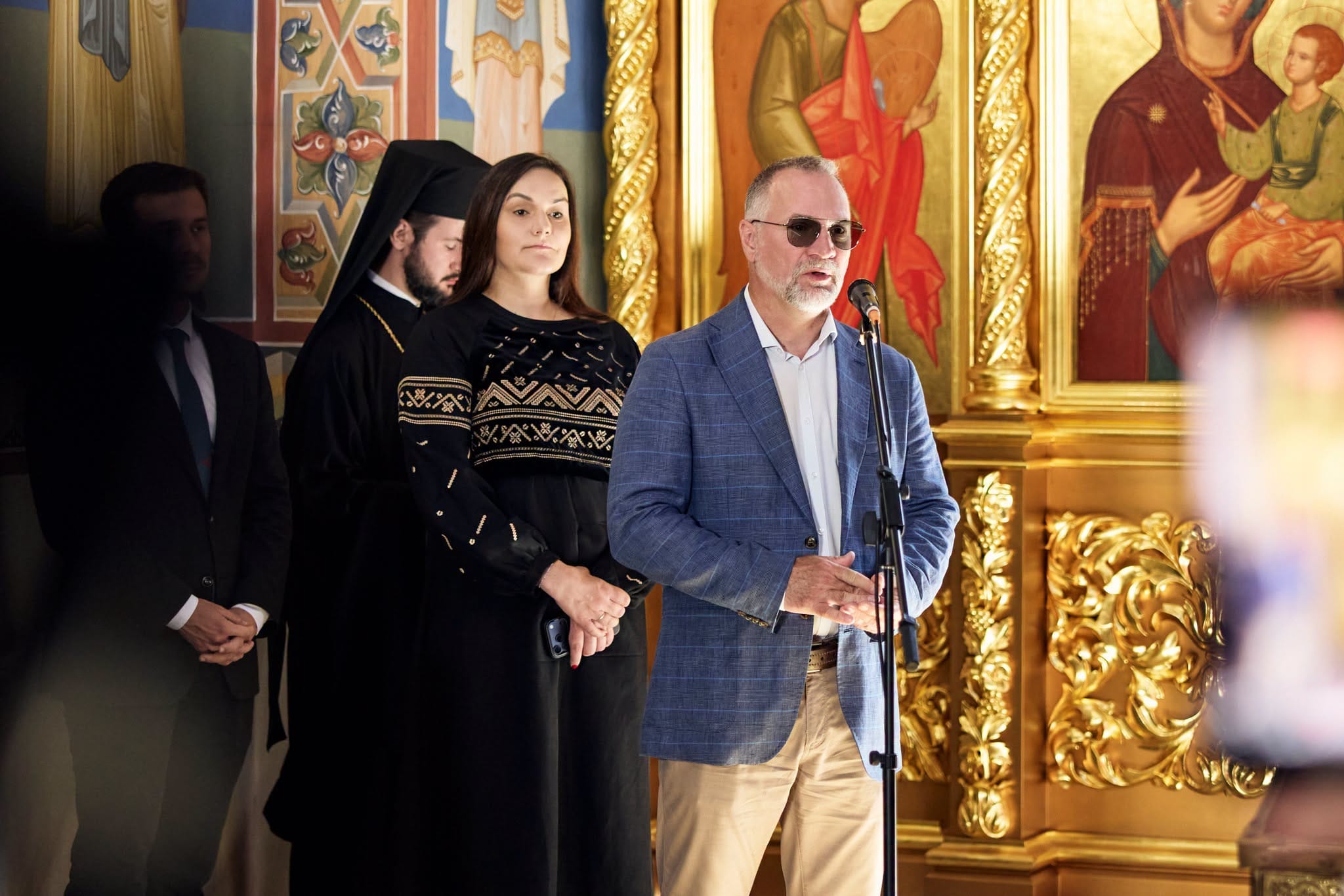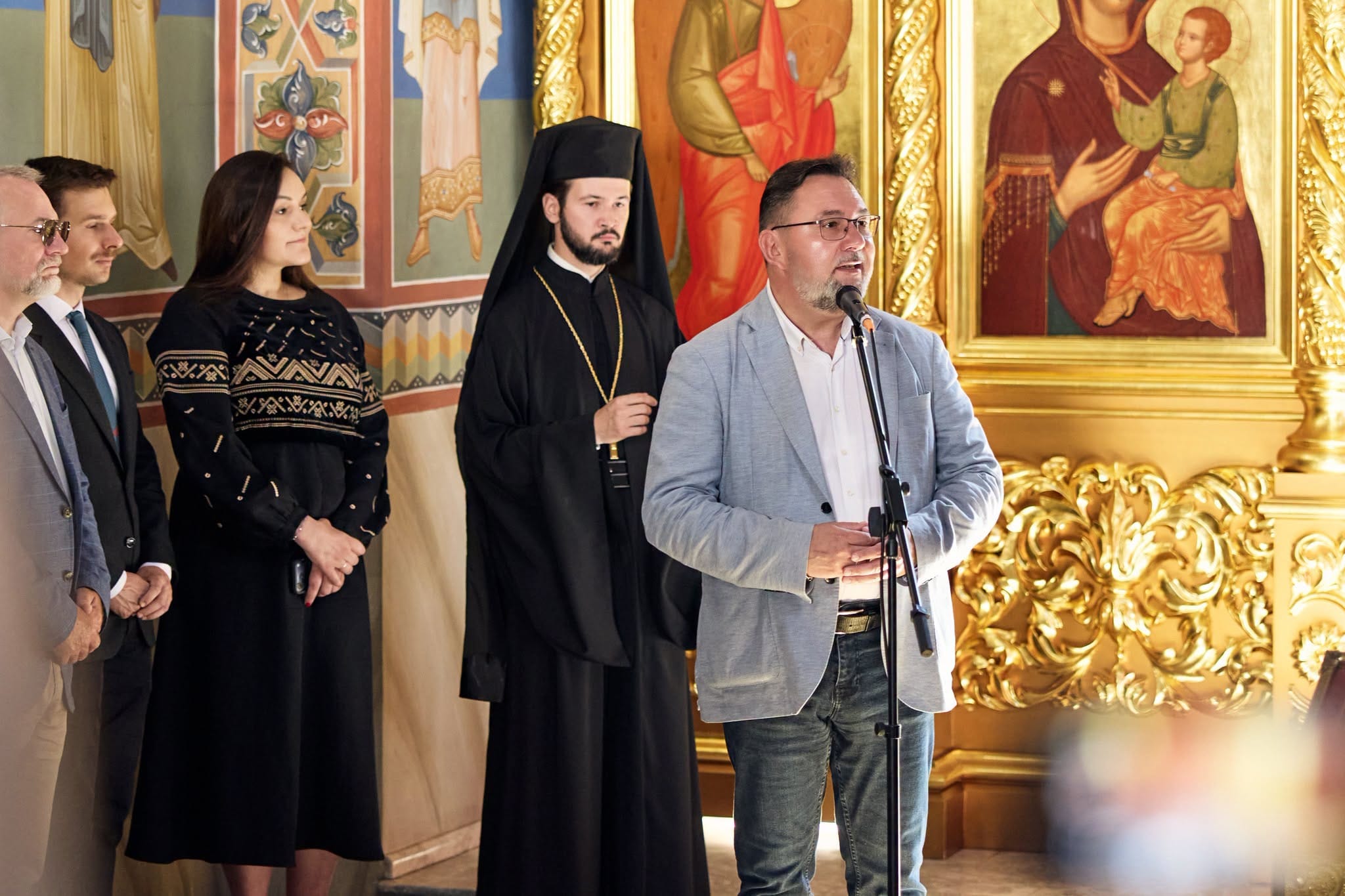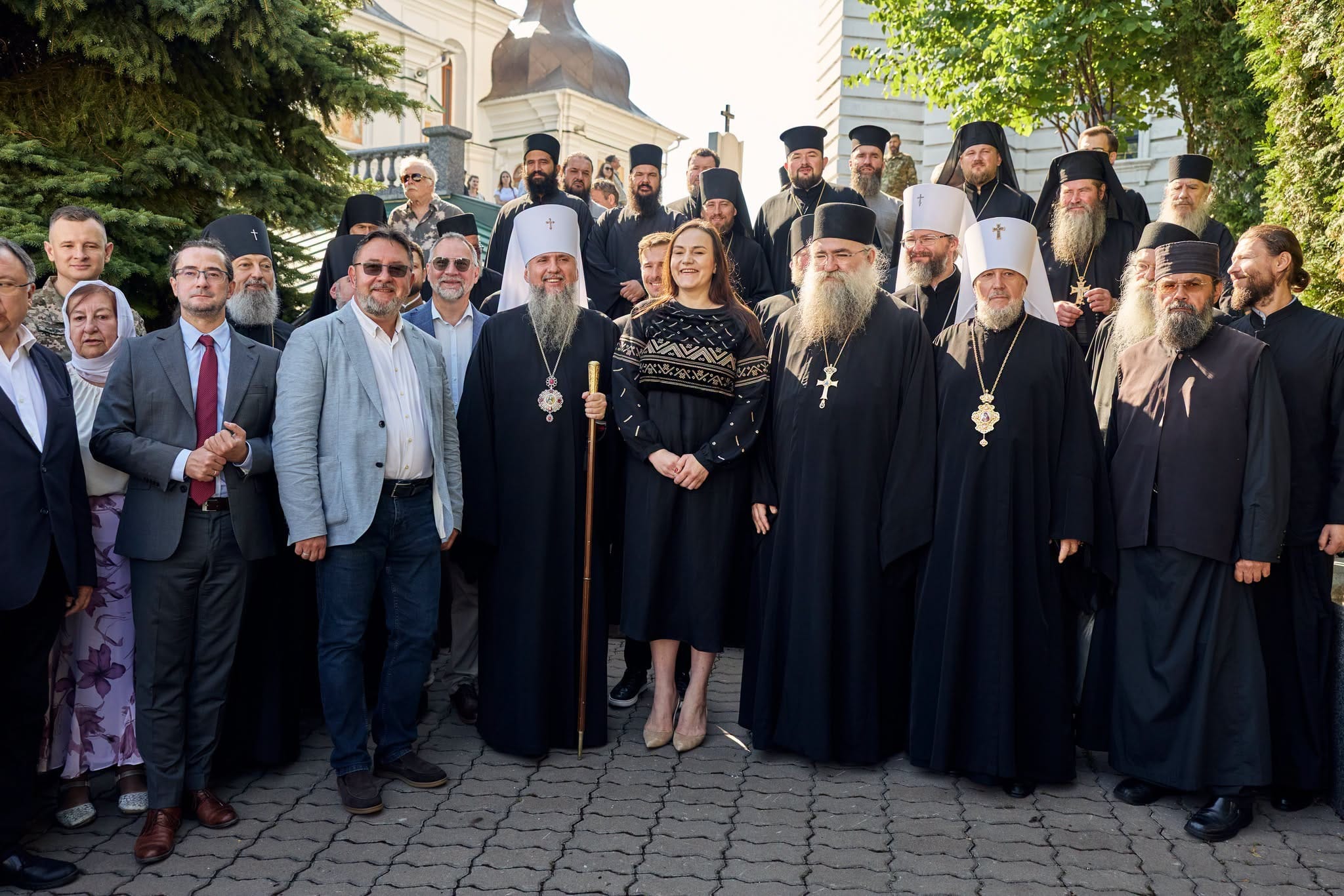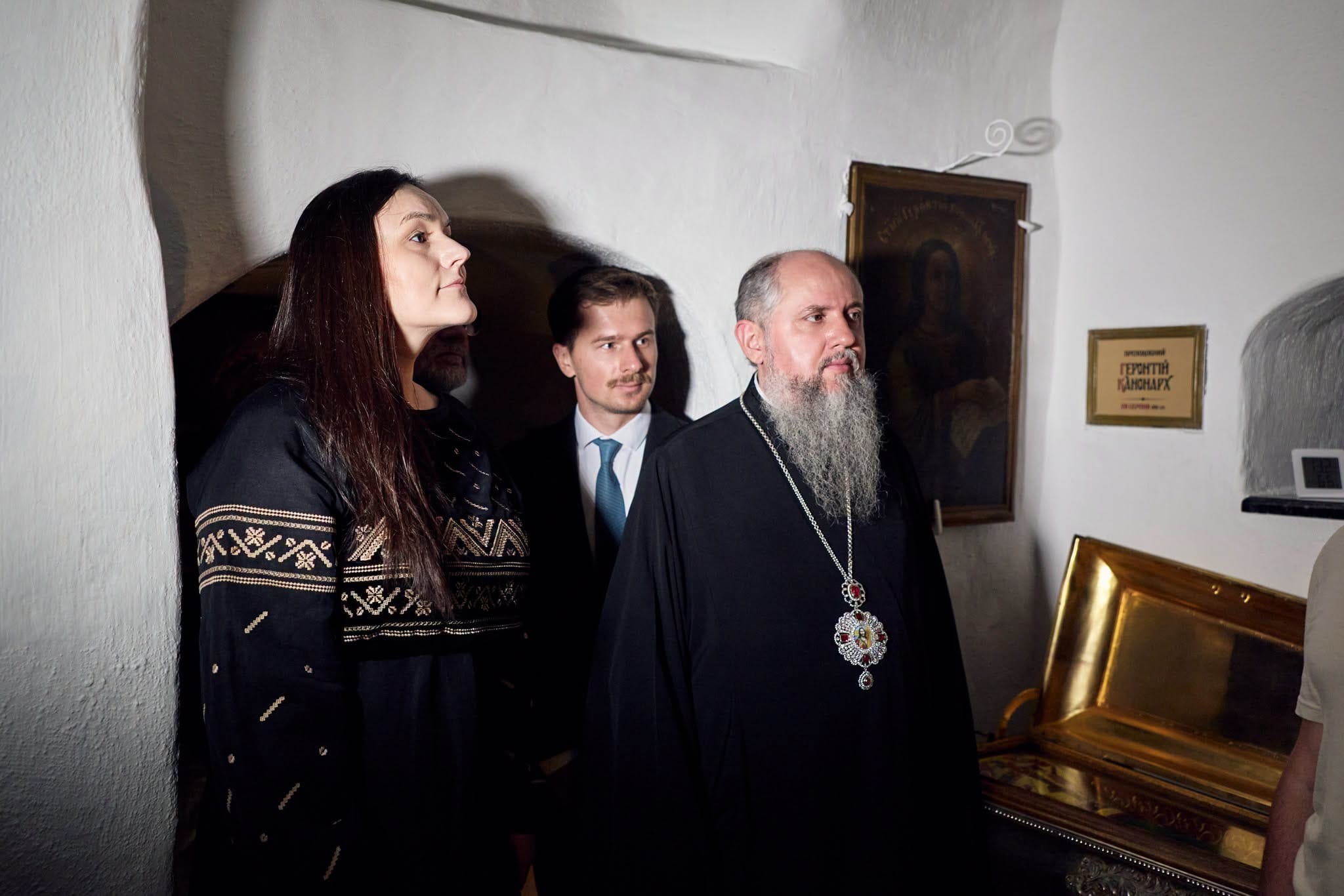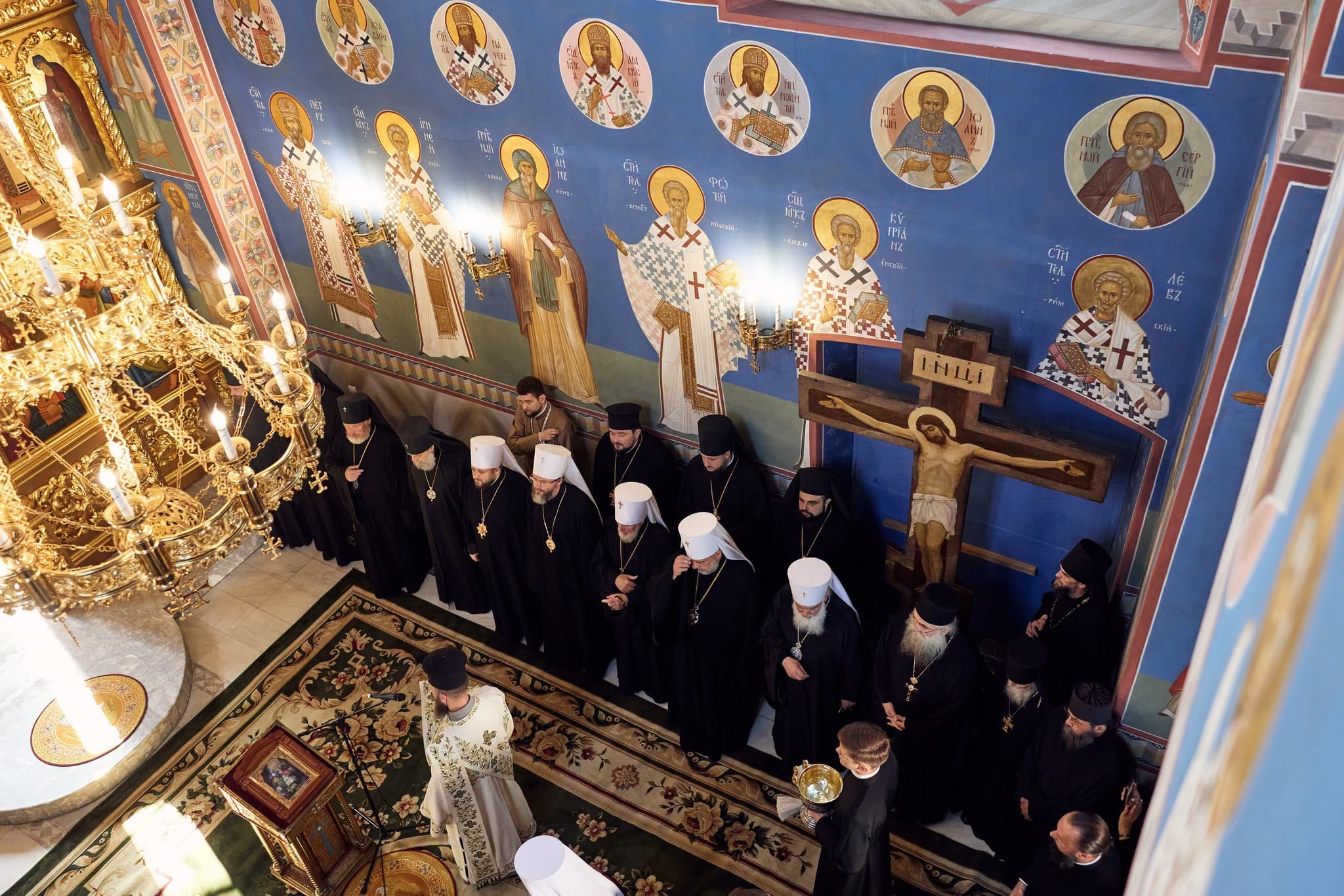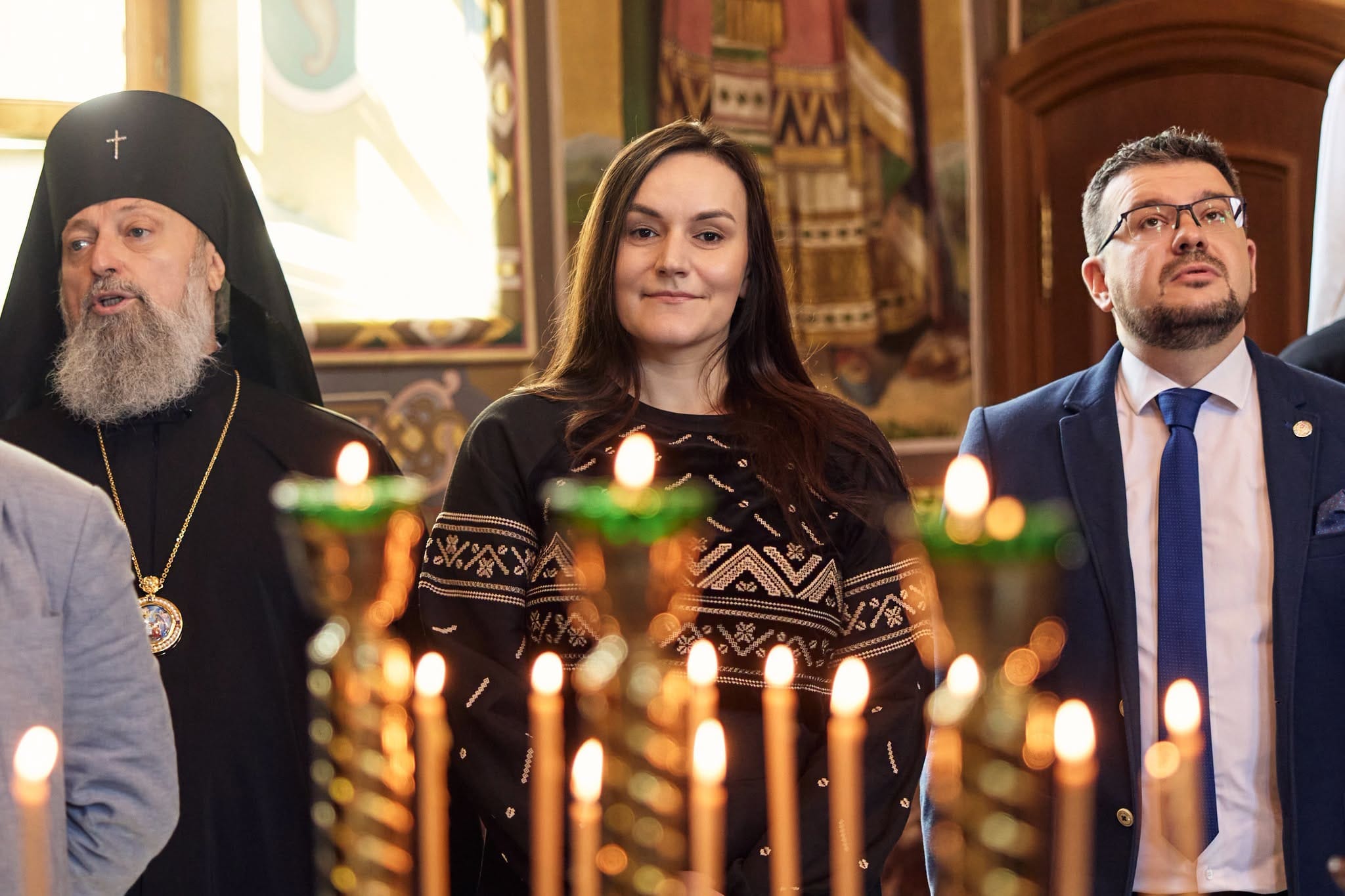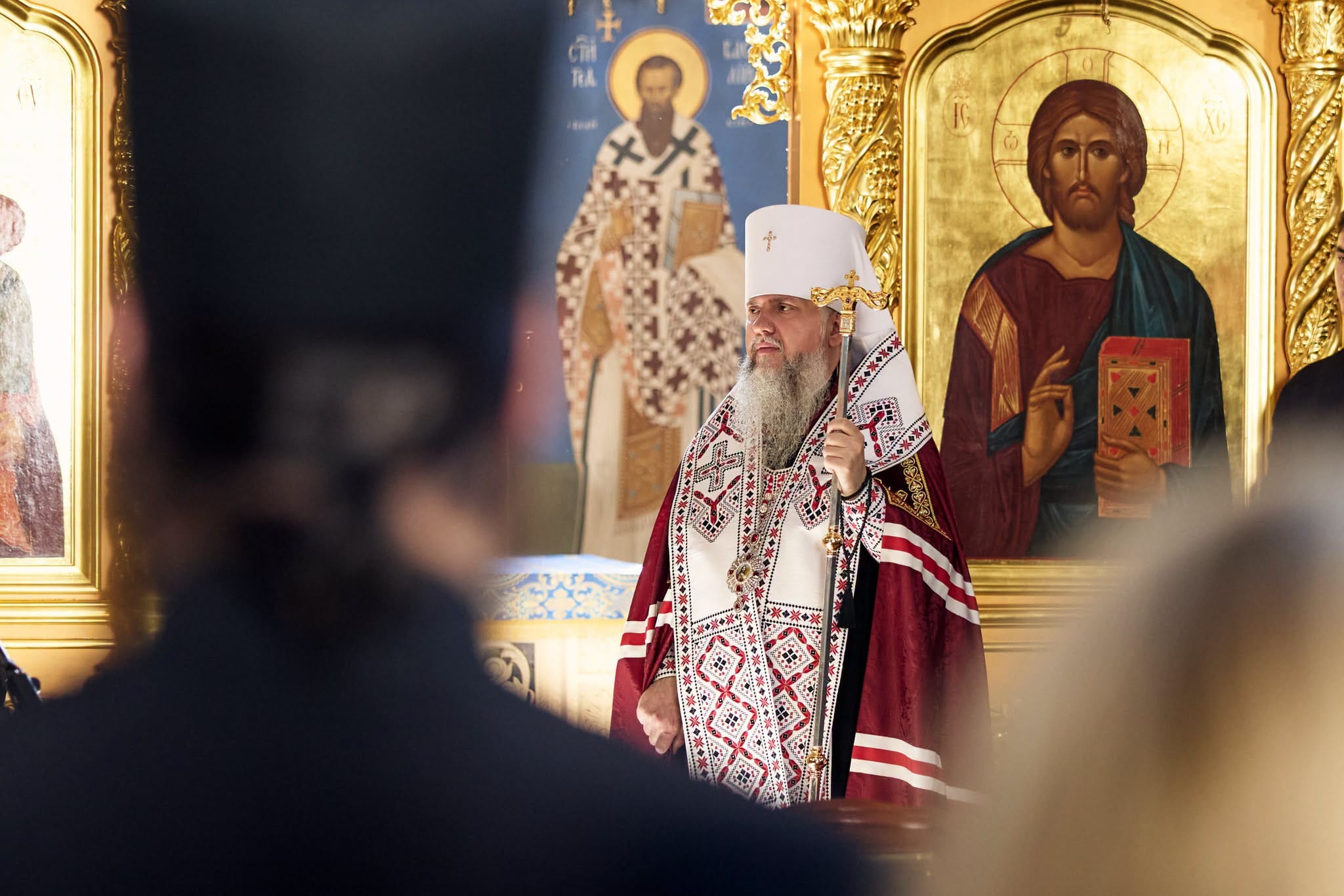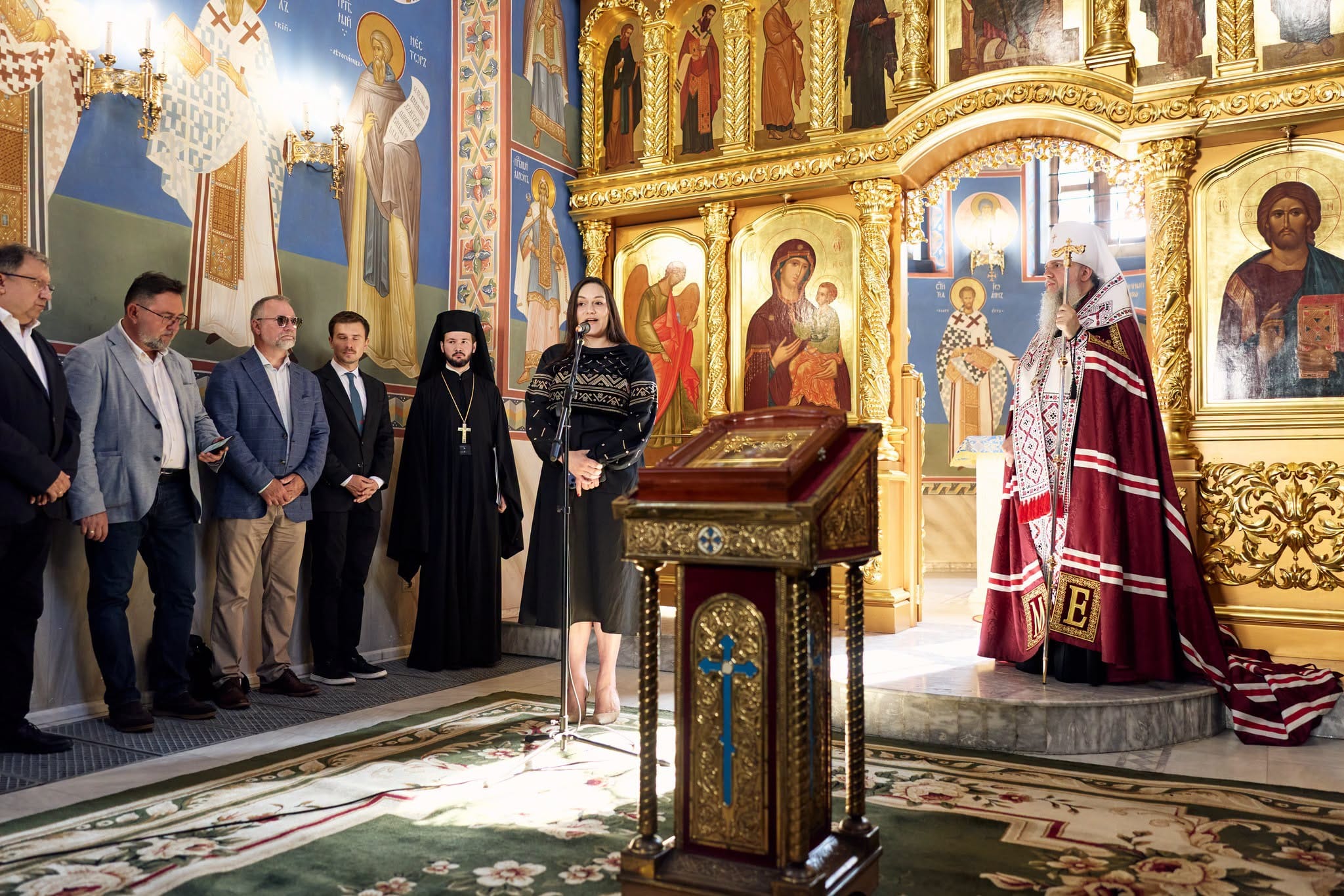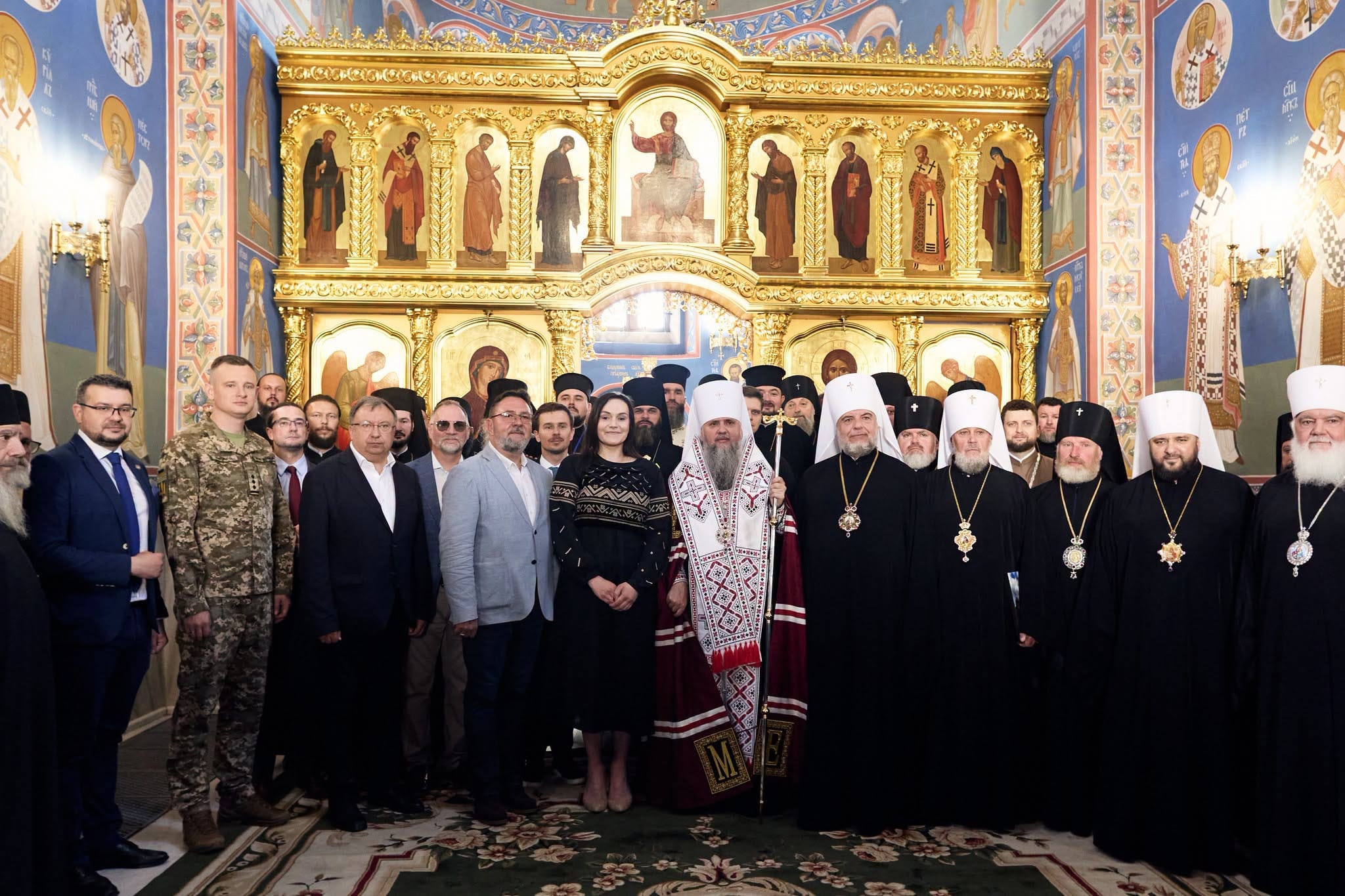
On the occasion of the Baptism of Ukraine-Rus Day and Ukrainian Statehood Day, the Kyiv-Pechersk Lavra National Reserve opened the Far (Theodosius) Caves to pilgrims and visitors. This event was another step towards returning access to the oldest shrines of the Lavra, whose history dates back almost a thousand years, to Ukrainians.
The celebrations began with a prayer service for Ukraine. His Beatitude Metropolitan Epiphany of Kyiv and All Ukraine emphasized the spiritual significance of the opening of the Far Caves and noted that the restoration of access to the shrine is an important event for believers and all of Ukraine.
The event was attended by Deputy Prime Minister for Humanitarian Policy of Ukraine – Minister of Culture of Ukraine Tetyana Berezhna, Chairman of the Verkhovna Rada Committee on Humanitarian and Information Policy Mykyta Poturayev, Director General of the National Reserve “Kyiv-Pechersk Lavra” Maksym Ostapenko, representatives of the Orthodox Church of Ukraine, the diplomatic corps, clergy and the public.
“We are returning access to both cave complexes of the Kyiv Pechersk Lavra to Ukrainians. In February, we opened the Near Caves, and today we are opening the Far Caves for all believers. This shows that our work is systemic. It is very important that Ukrainian prayer sounds here, for Ukrainian believers, so that people feel part of the Ukrainian cultural, spiritual and state tradition,” said Tetyana Berezhna.
She thanked everyone who, through their work, is returning to the Kyiv Pechersk Lavra its historical mission as one of the main spiritual centers of Ukraine and the center of Ukrainian statehood. The Deputy Prime Minister emphasized that for centuries, generations of monks have prayed in the Far Caves, and today Ukrainians continue this spiritual tradition, offering prayers for Ukraine, its people, and its future.
Tetyana Berezhna also emphasized the special symbolism of the opening of the Far Caves on the eve of Ukrainian Statehood Day. According to her, this event testifies to the continuity of Ukrainian history, spiritual heritage, and state tradition.
Separately, Tetyana Berezhna mentioned the Russian attack on the Assumption Cathedral of the Kyiv Pechersk Lavra. She emphasized that, despite Russia’s desire to destroy Ukrainian shrines and cultural heritage, Ukraine is restoring its monuments, opening them to people, and continuing to strengthen its own spiritual space.
The Far (Theodosius) Caves together with the Near Caves form a unique underground complex, from which the history of the Kyiv Pechersk Monastery began in the middle of the 11th century. The oldest underground temples of the Lavra, the cell of the Monk Theodosius, the Varangian Caves and the relics of the Monks of the Caves have been preserved here.
The Director General of the National Reserve “Kyiv-Pechersk Lavra” Maksym Ostapenko thanked everyone who is involved in the return of the Ukrainian spiritual and cultural identity of the Lavra. He emphasized that there is still a lot of work ahead, because in accordance with the Decree of the President of Ukraine, the reserve is preparing to celebrate the 1000th anniversary of the Kyiv-Pechersk Lavra. According to him, this anniversary places a great responsibility on everyone – to work every day to preserve and develop the shrine.
“It is a great honor and a great responsibility for us to work on the establishment of our shrine. We must return to the Kyiv-Pechersk Lavra the holiness and greatness that it embodies. It is symbolic that today we have gathered in the temple founded in the Mazepa era by Kyiv colonel Kostyantyn Mokievsky. This once again reminds us: Ukraine was here, is here, and will be here. And we must work every day for this,” Maksym Ostapenko emphasized.
During the celebrations on the Cathedral Square of the Kyiv-Pechersk Lavra, a memorial sign to Hetman Ivan Mazepa was also consecrated. One of the most prominent Ukrainian statesmen and the largest donors of the Lavra played a decisive role in shaping the modern architectural image of the shrine. With his support, in the late 17th and early 18th centuries, defensive walls were erected, the Church of All Saints was built, and the Trinity Gate Church, the Assumption Cathedral, and other monastery buildings were restored.
“I think that this day is a testament to what happens when everyone unites. This is the result of the work of the President of Ukraine, the Ministry of Culture of Ukraine, the Ukrainian Parliament, Ukrainian society and, of course, the Orthodox Church of Ukraine. I am happy. I am grateful to God. I am grateful to everyone who made their contribution – big or small – so that pilgrims could come to this shrine today,” said Mykyta Poturayev, Chairman of the Verkhovna Rada of Ukraine Committee on Humanitarian and Information Policy.
During the first two months, the Distant Caves will operate in a test mode. Until August 15, pilgrims will be able to visit them every Friday and every Sunday from 09:00 to 12:00. From August 16, the reserve will expand its working hours: in the morning, the caves will accept pilgrim groups, and after a technical break, excursion groups. At the same time, groups of up to 12 people will be allowed into the underground complex by prior appointment or on a first-come, first-served basis.
As a reminder, the Kyiv Pechersk Lavra National Reserve restored access to the Near (Anthony) Caves at the end of February 2026. Pilgrim groups visit them from Wednesday to Sunday by prior appointment through the Reserve’s excursion bureau.