Helping someone who suddenly feels unwell, stopping bleeding, performing cardiopulmonary resuscitation — these skills can be needed at any time. In wartime, their importance increases, and in the Lavra, which came under Russian attack in June, they know this from their own experience.
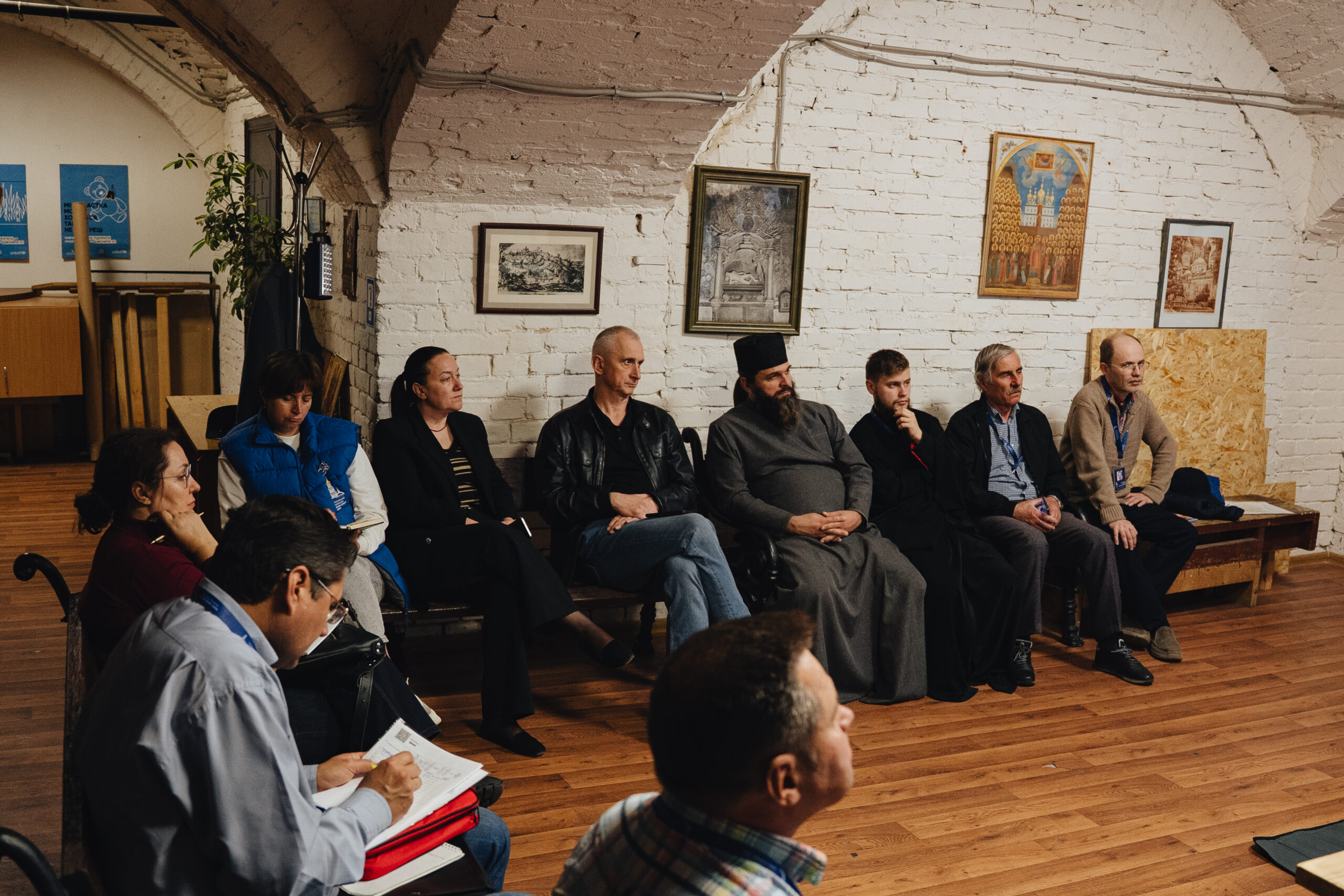
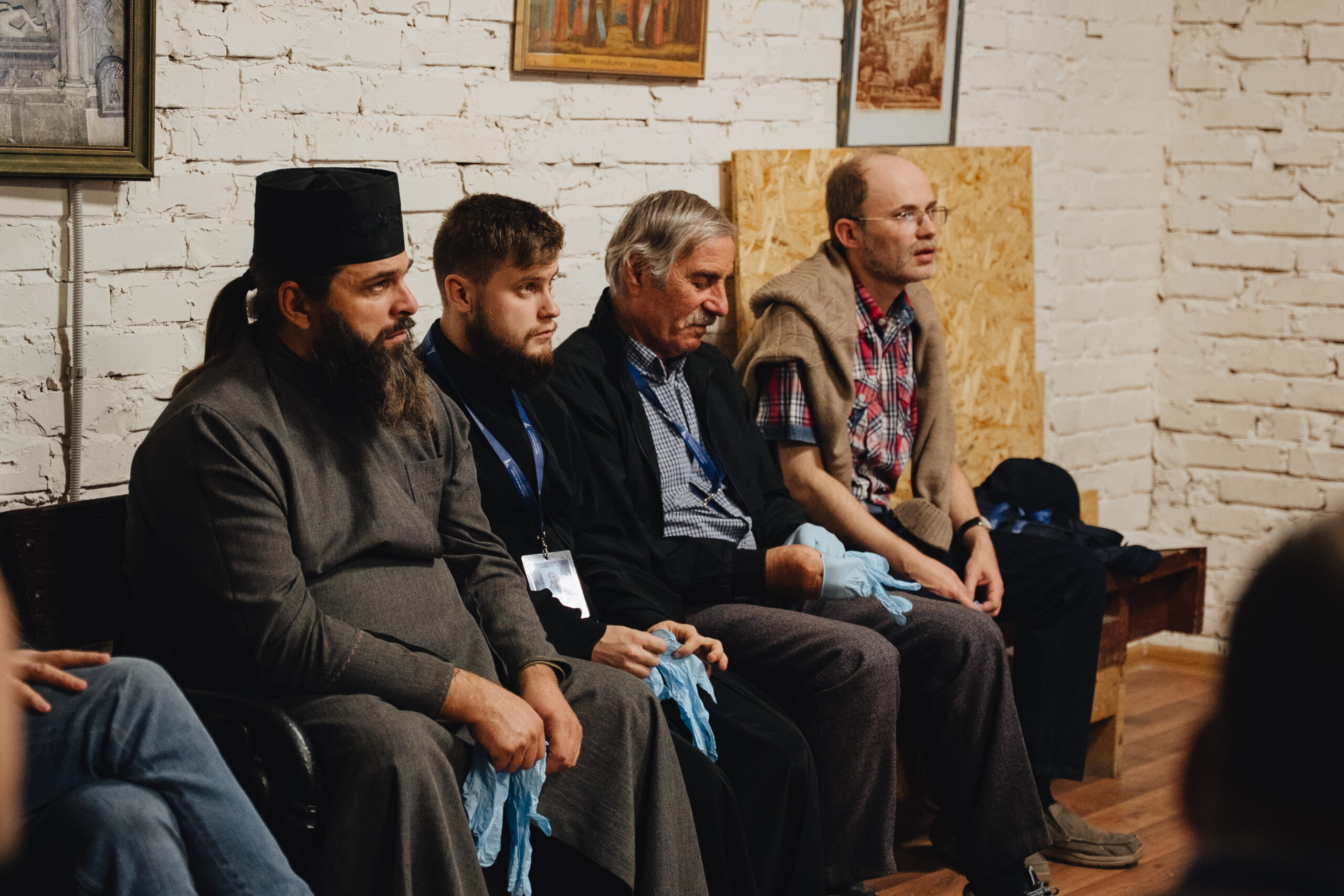
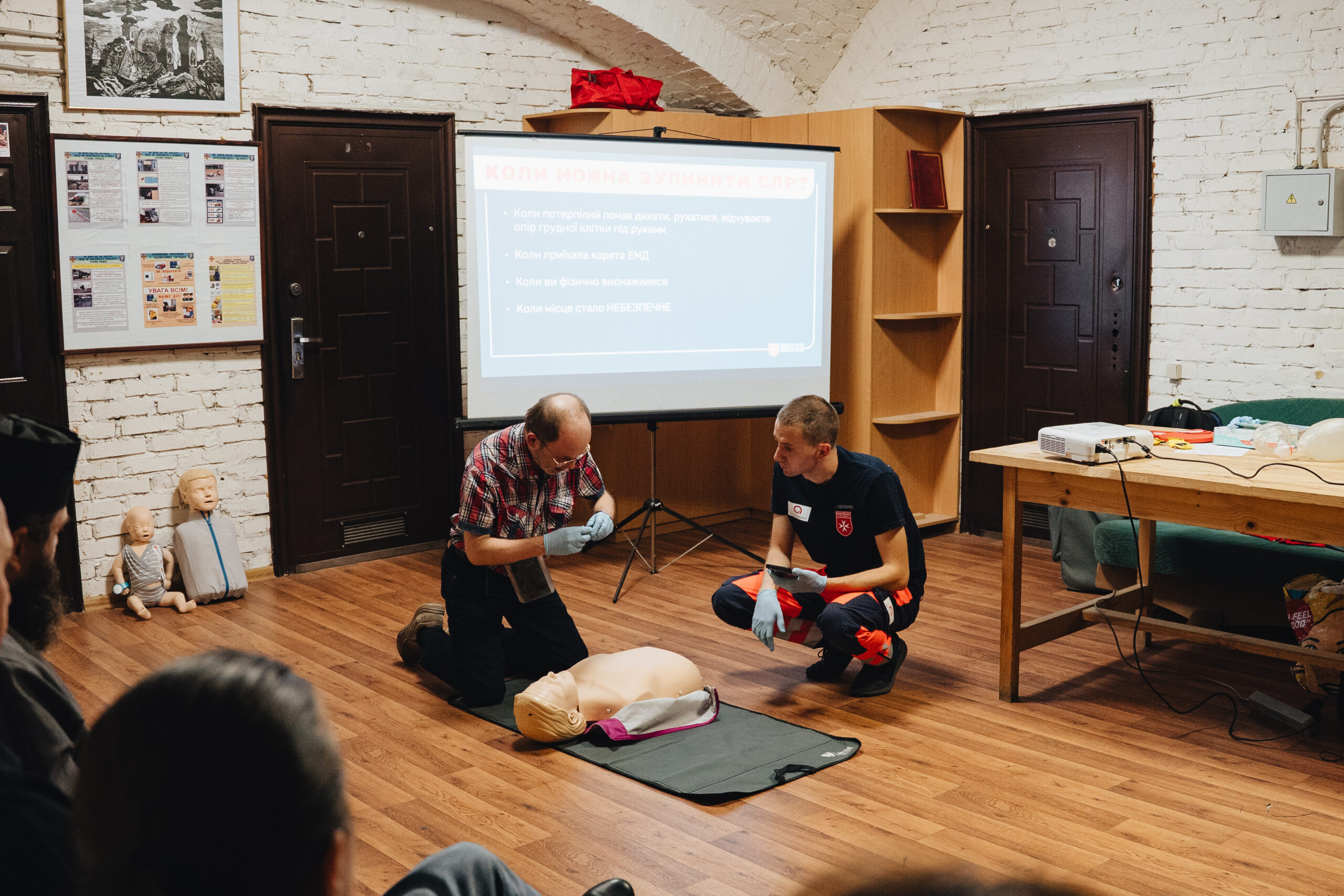
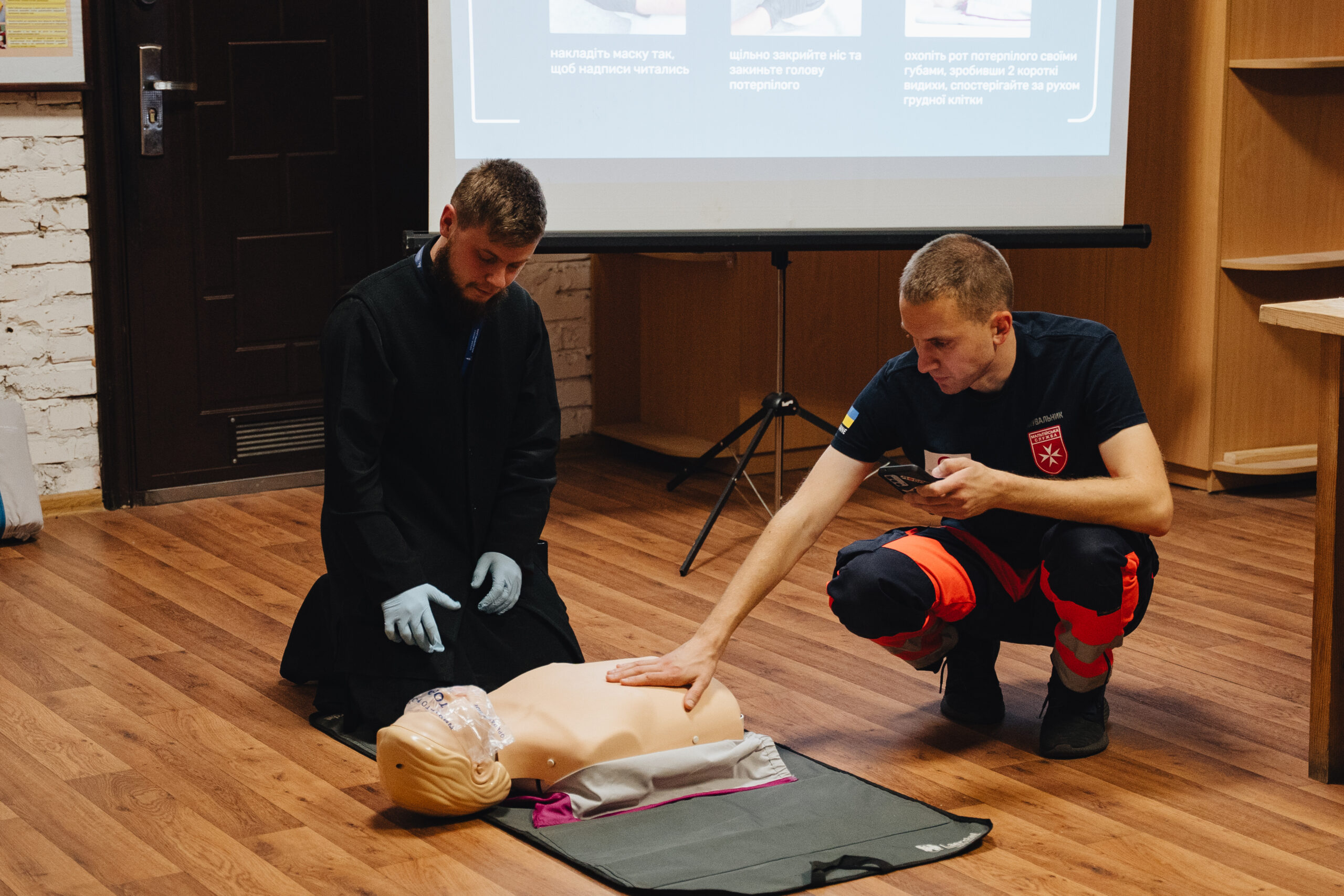
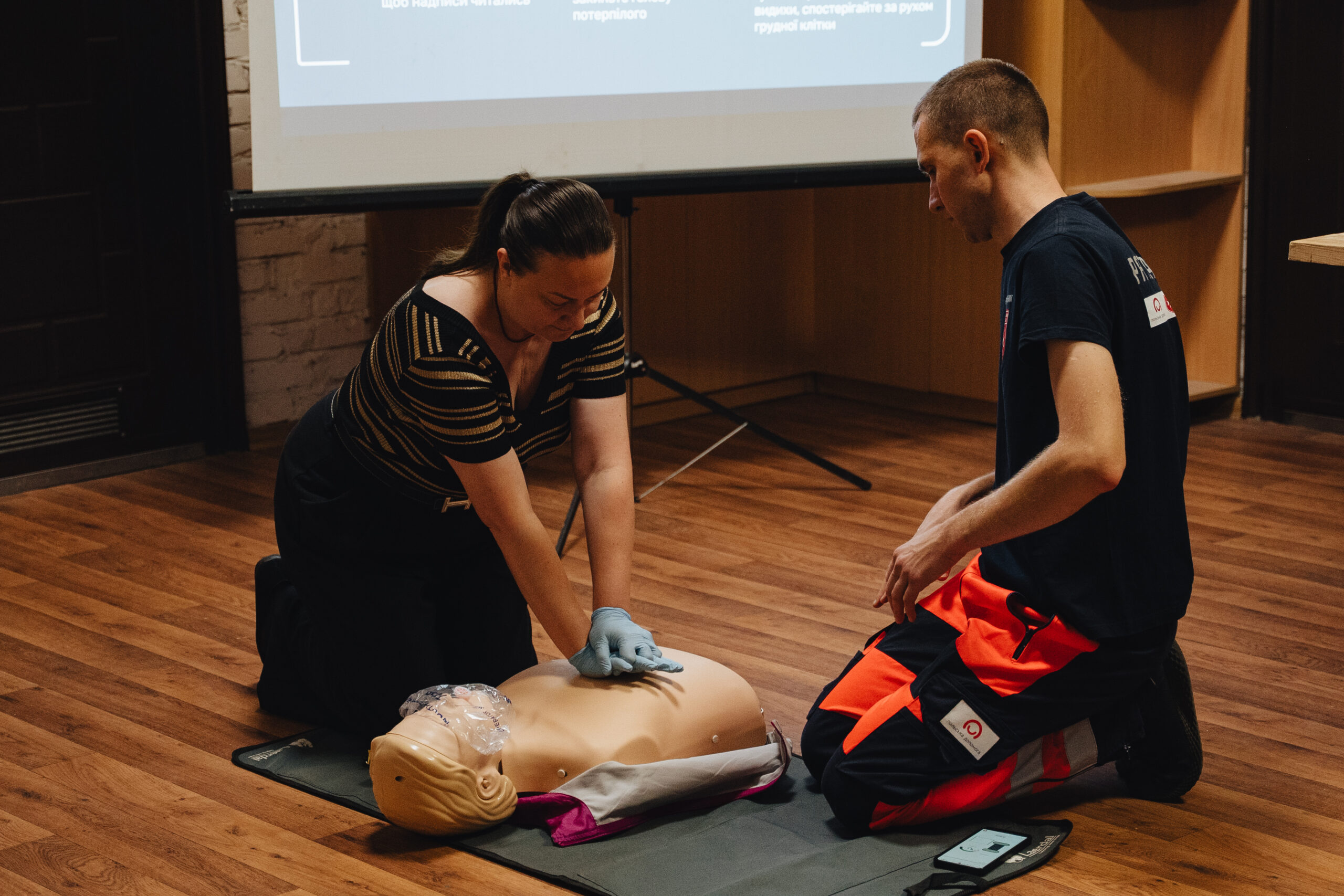
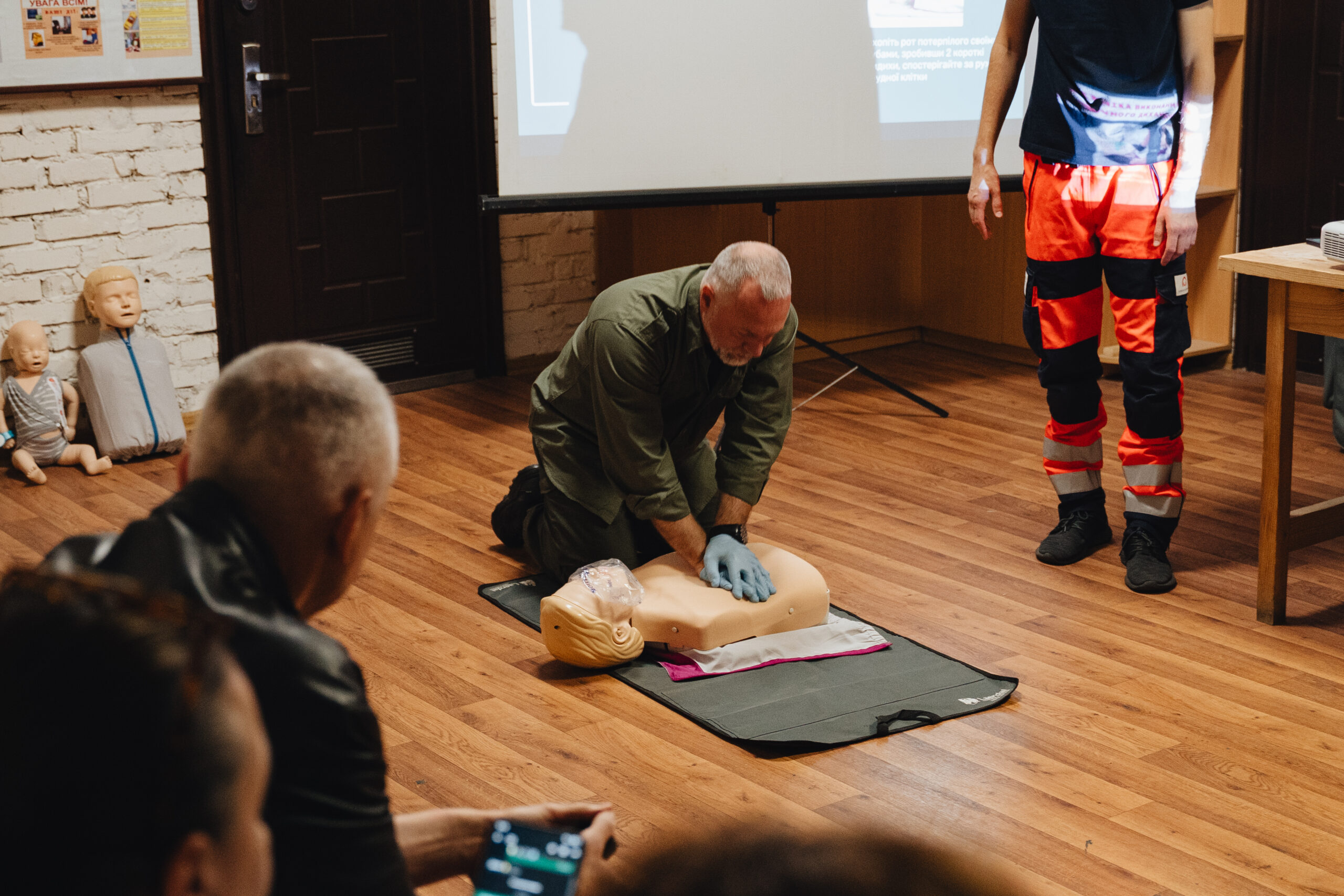
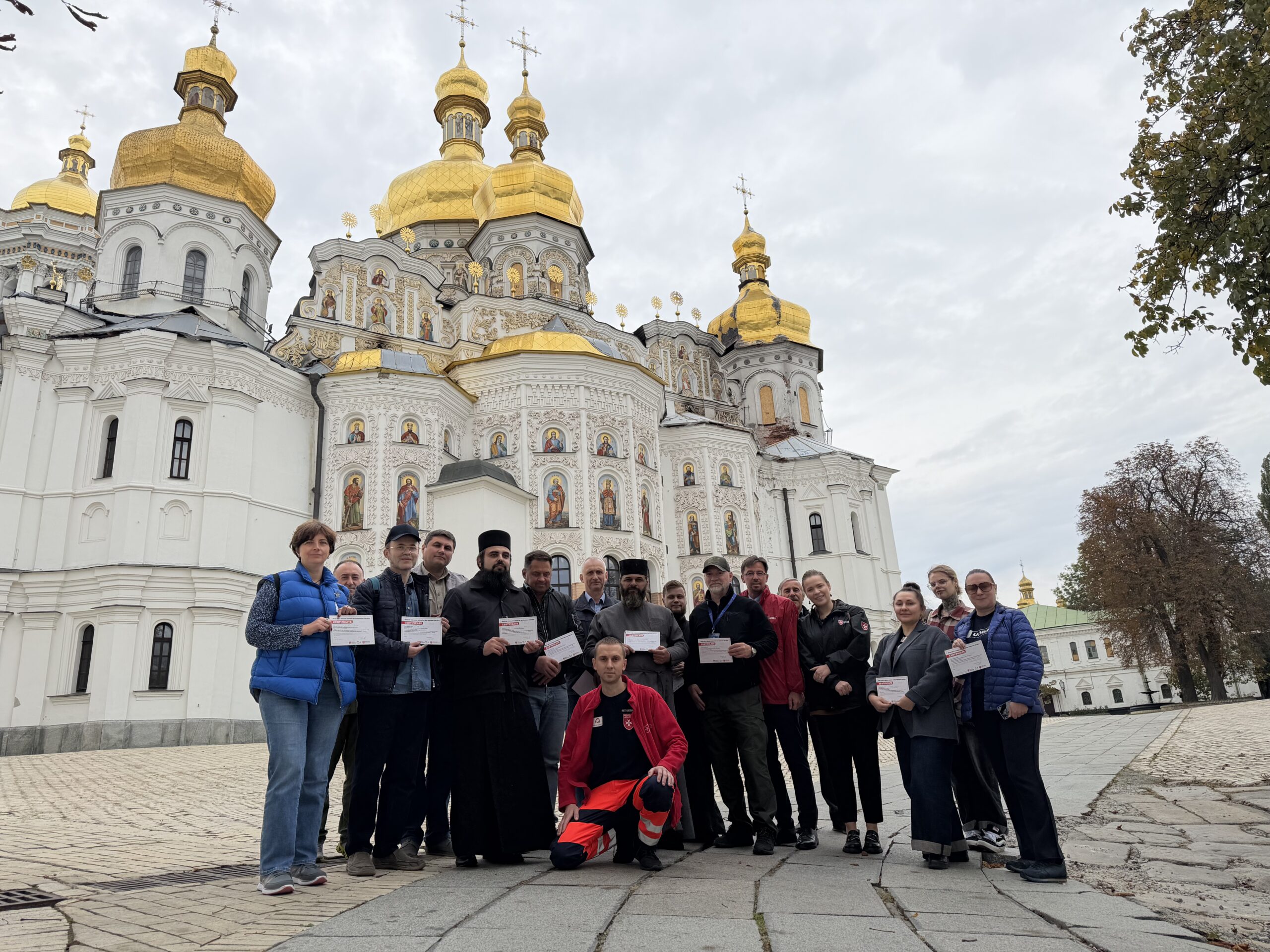
For two days, employees of the Kyiv Pechersk Lavra National Reserve and monks of the monastery studied together to provide first aid. The two-day course was conducted by certified rescuers of the Maltese Aid Service of Ukraine in cooperation with the Embassy of the Sovereign Order of Malta in Ukraine.
According to Maksym Ostapenko, Director General of the Kyiv Pechersk Lavra National Reserve, about 120 employees have already been trained in first aid under various programs. He himself mastered these skills during his military service.
“It is extremely important that every team, every institution in wartime master basic first aid skills, because 20% of trained people can save 80% of people during emergencies. That is why I am glad that there is the Maltese Aid Service, which teaches how to act when a person feels unwell, when there is massive shelling and it is necessary to provide first aid until the arrival of doctors. This really saves lives,” said Maksym Ostapenko.
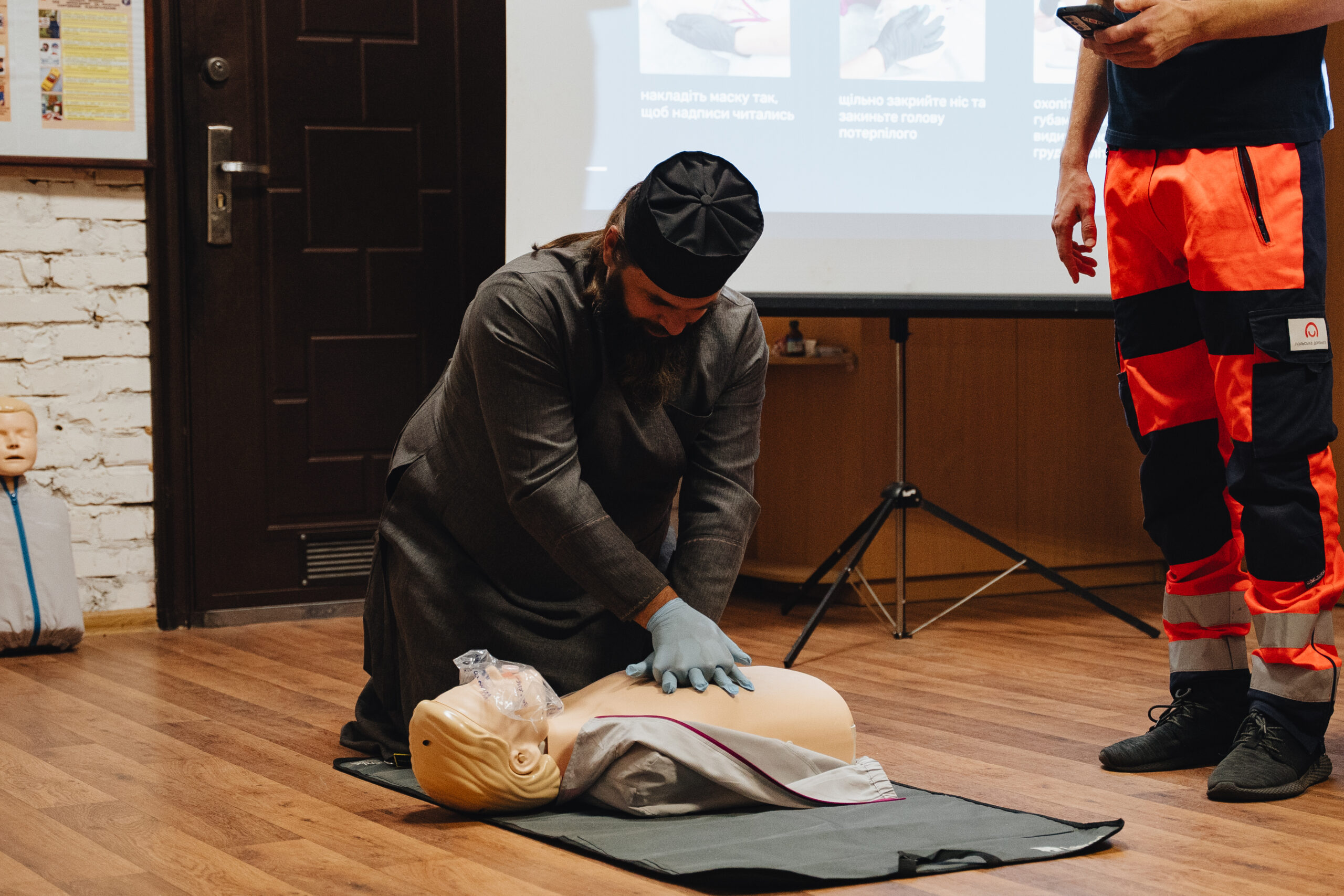
During the course, participants practiced the sequence of actions until the arrival of medical personnel: from safety assessment to providing assistance. They practiced cardiopulmonary resuscitation and the use of a defibrillator, learned how to assist with choking and transfer a person to a safe side position.
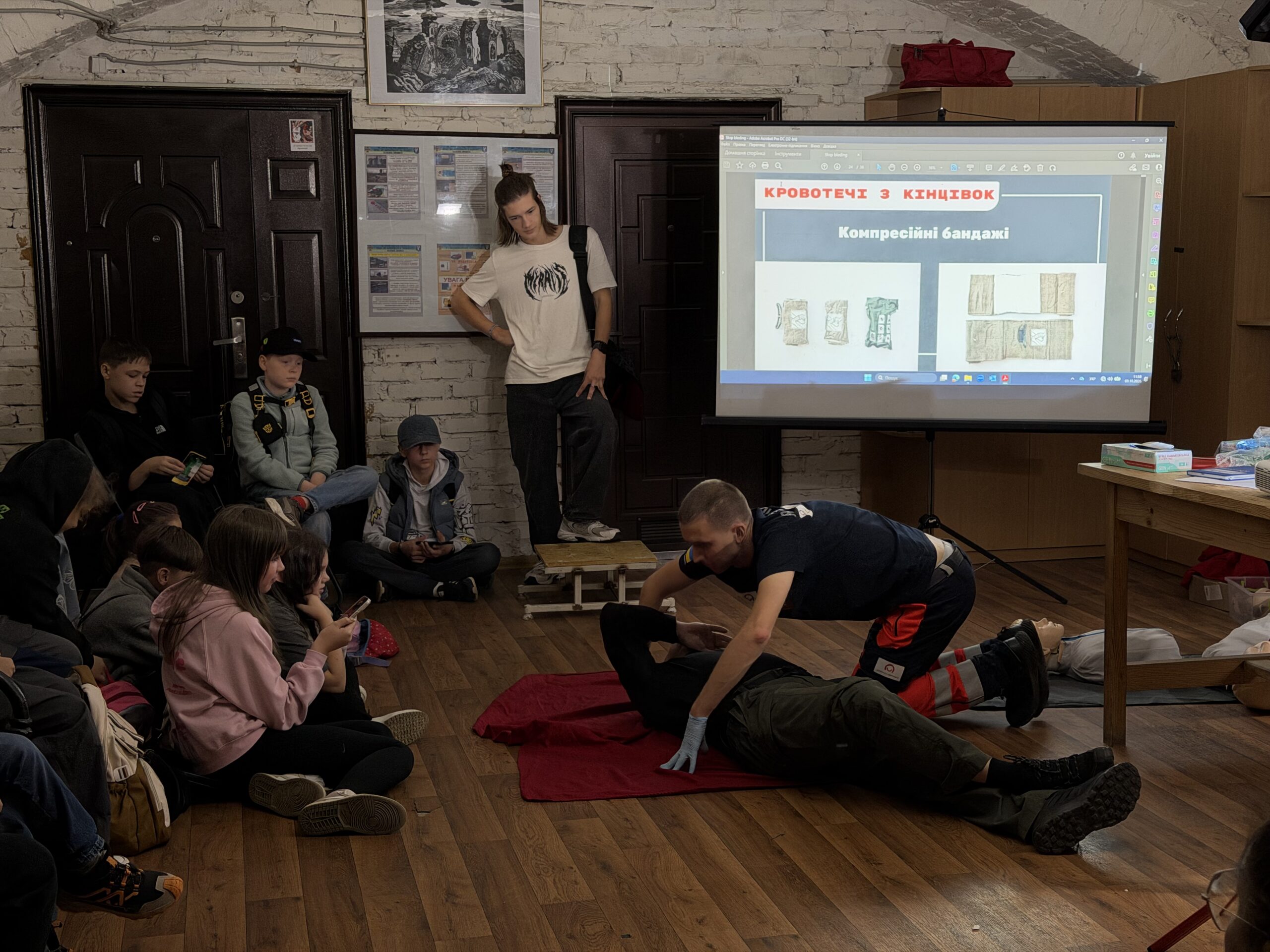
The second day was dedicated to stopping bleeding. The National Reserve staff and monks practiced applying a tourniquet, applying a pressure bandage, and packing the wound with a hemostatic dressing. The training was conducted in accordance with the recommendations of the European Resuscitation Council (ERC).
“Everyone should know the algorithm of actions to help a person survive. I know that many have already taken first aid courses, but it is worth regularly updating your knowledge, because you have a lot of visitors. God forbid that nothing happens, but you should always be prepared and know how to act in any scenario,” emphasized Taras Tsyvanyuk, an instructor of the Maltese Aid Service of Ukraine.
This course brought together the National Park staff and the monks of the Lavra for the first time in training with the Maltese Aid Service. The joint training will help them take care of colleagues, tourists and believers in situations where help is needed immediately.